
Safe Tracks Proven by China
PRODUCTS
Precision rail grinding wheels and maintenance equipment.
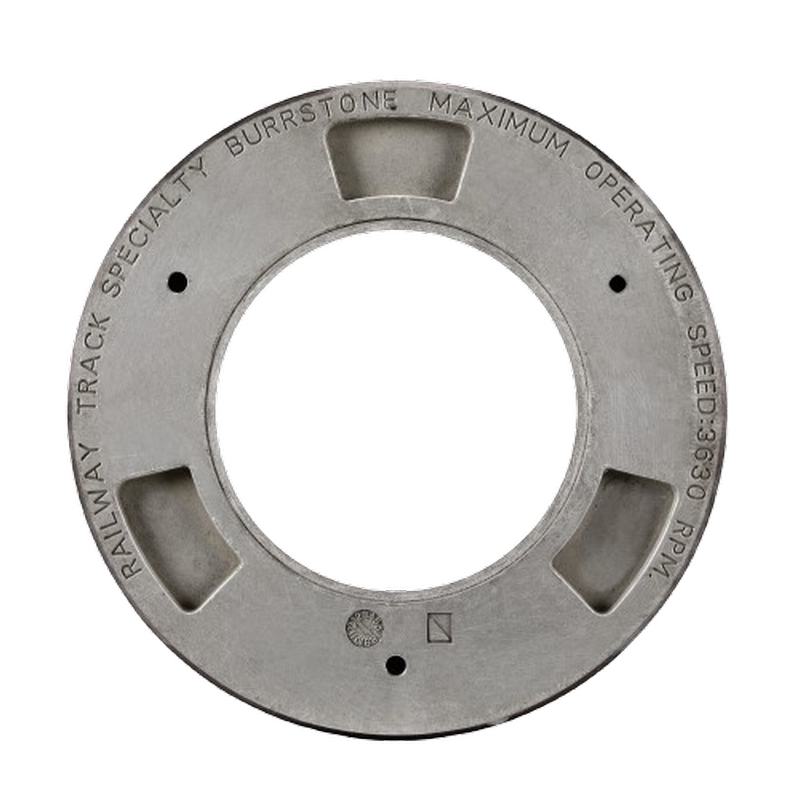 Railway Grinder WheelPrecision grinding wheels for Harsco, Loram and Speno.
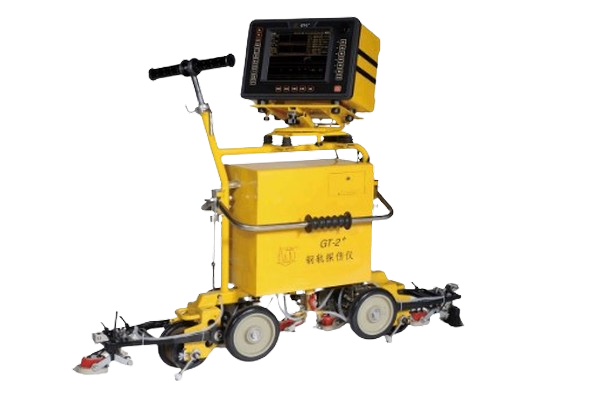 Railway Inspection ToolsUltrasonic flaw detection and track geometry inspection.
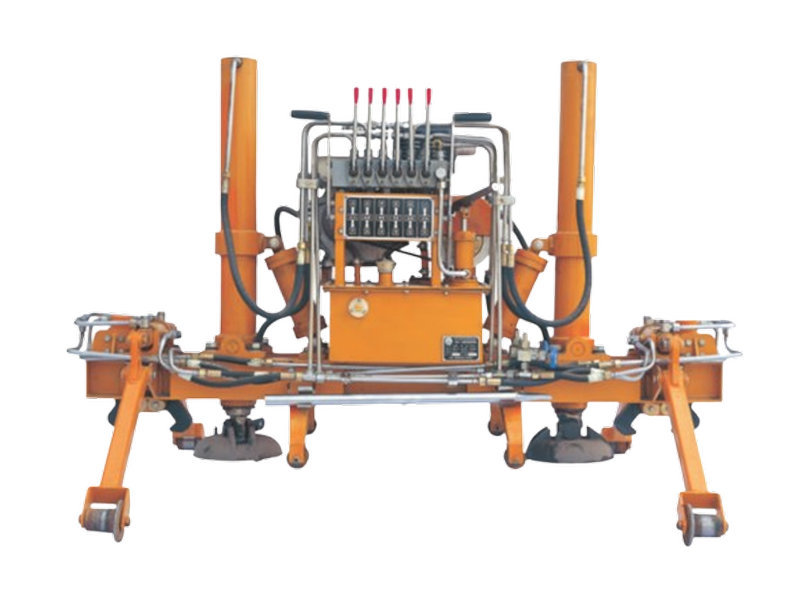 Railway Maintenance ToolsTrack stabilization, replacement and welding systems.
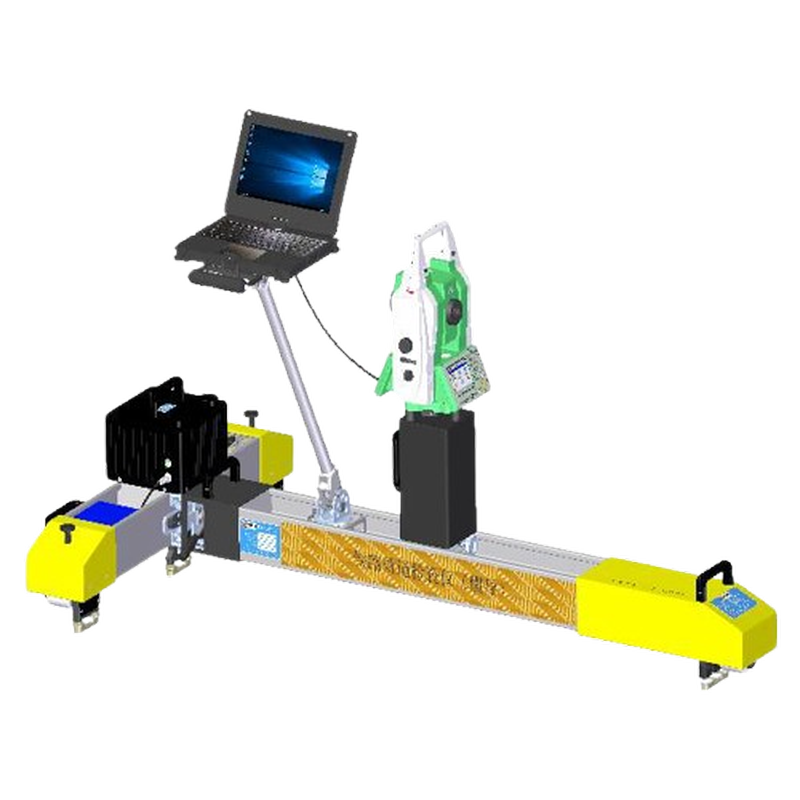 Track Geometry Measurement ToolsPrecise track geometry measurement instruments.
 Rail Condition Inspection ToolsRail surface and frog wear measurement gauges.
How do you set an annual grinding budget for a network?
How do you set an annual grinding budget for a network?
Build it in three layers, in this order: a pass-kilometre requirement, a price per pass-kilometre, and a contingency sized from your own last cycle. The figure that gets circulated first — network kilometres multiplied by a price — is not a budget. It is a quote for track nobody has surveyed this year, and it fails in both directions at once. It over-funds long straight sections that need few passes, it under-funds the curves that need many, and it contains nothing at all for the two things that reliably move the outturn: re-grinding a pass that failed acceptance, and inserting a section that crossed its threshold between planned visits. A budget is a purchasing plan for a quantity you can define, not a price applied to a quantity you happen to know.
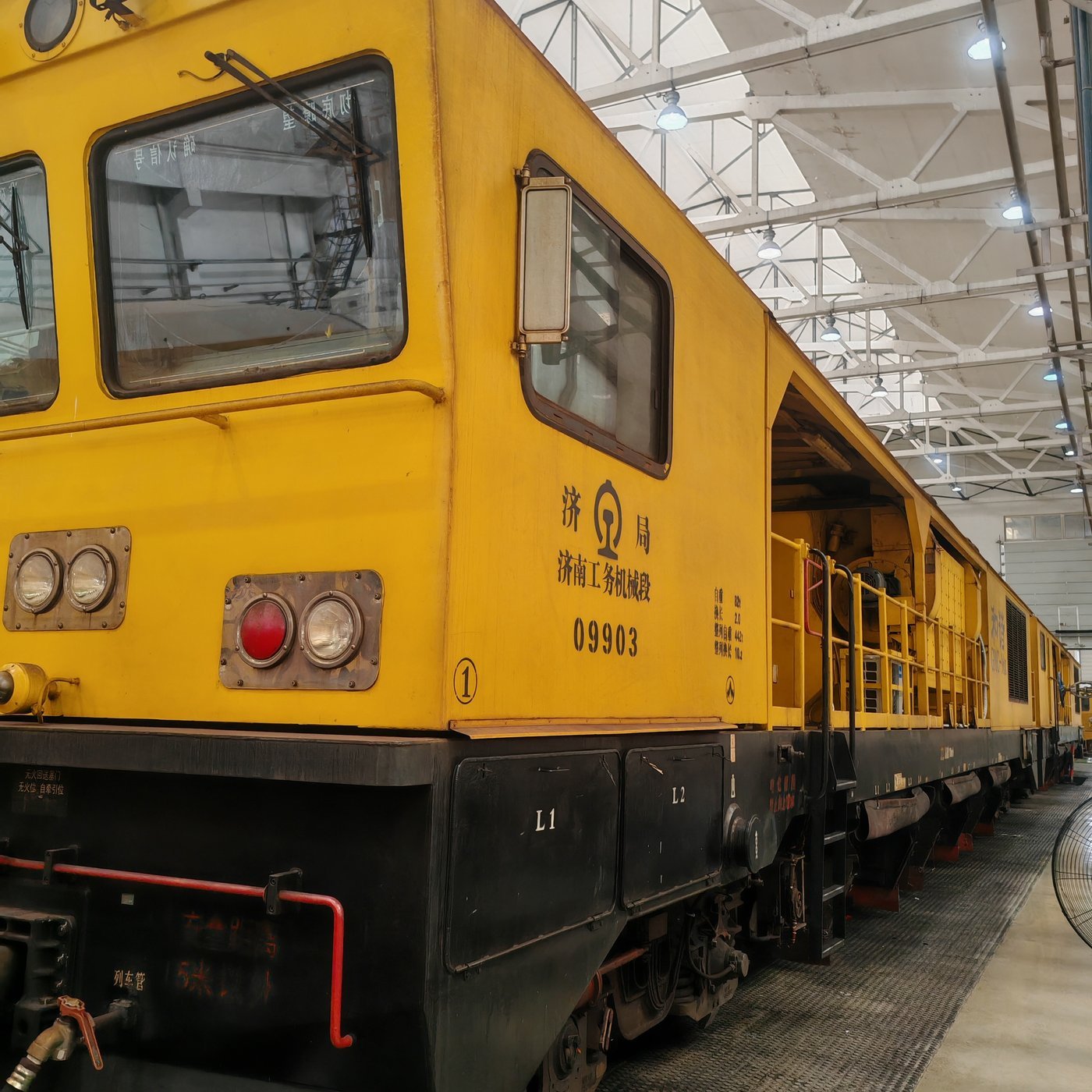
Layer one: the quantity is pass-kilometres, and passes are an output
The unit that describes grinding work is the pass-kilometre: grinding length multiplied by the number of passes. Passes are not a policy choice, they are a result — the profile deviation at the control points divided by what one pass of that machine removes at that speed, rounded up. That has a direct consequence for budgeting: this year's requirement cannot be typed in from an intention, it has to be projected from what last cycle actually consumed, held separately for each class of track.
Two numbers from a single operator campaign show why the classes cannot be averaged. On one programme, straight sections were ground in four passes and curve sections in six — the same kilometre of track consuming half again as much work in one place as in the other. And inside one curve of 800 m radius ground in six passes, the steel removed at the maximum reached 1.8 mm on one side of the head against 0.3 mm on the other. The section is budgeted as a whole, but it cannot be described by an average, because the average is neither side.
| Line in the budget | Unit it has to be built in | What it is made of | What goes wrong when it is built in track-kilometres |
|---|---|---|---|
| Quantity | Pass-kilometres: length × passes | The pass-kilometres measured in the previous cycle, held separately for straight track, curve bands and turnout areas | Length becomes the only variable, so the longest sections absorb the programme and the curves that need six passes are funded as though they needed four |
| Price basis | Cost per pass-kilometre, with campaign overheads as their own line | The grinding itself, the consumable it burns, and the mobilisation and possession cost that is charged per campaign rather than per pass | Every bidder has to fold the passes into one rate, and that rate is then wrong for every section on the list — high on the straight, low on the curve |
| Contingency | Pass-kilometres, not currency | A re-work allowance for passes rejected at acceptance, plus an insertion allowance for sections crossing a trigger out of sequence | There is nowhere to charge a second pass, so the first section that fails acceptance is paid for by cancelling the next one on the list |
| Delivery capacity | Possessions: windows and hours | The requirement divided by the pass-kilometre output measured per window on this network | The money is approved and there are no windows to spend it in, which is the most common way a funded programme ends the year under-spent and still behind |
That fourth line is the one that connects money to the timetable, and it is a division rather than an assumption. One machine put down 18.72 pass-kilometres inside a single two-hour possession on the Hengliu line in November 2022. Divide the requirement by the output measured on your own track and the answer is the number of windows that have to be bought; skip the division and the budget authorises work for which no possession exists.
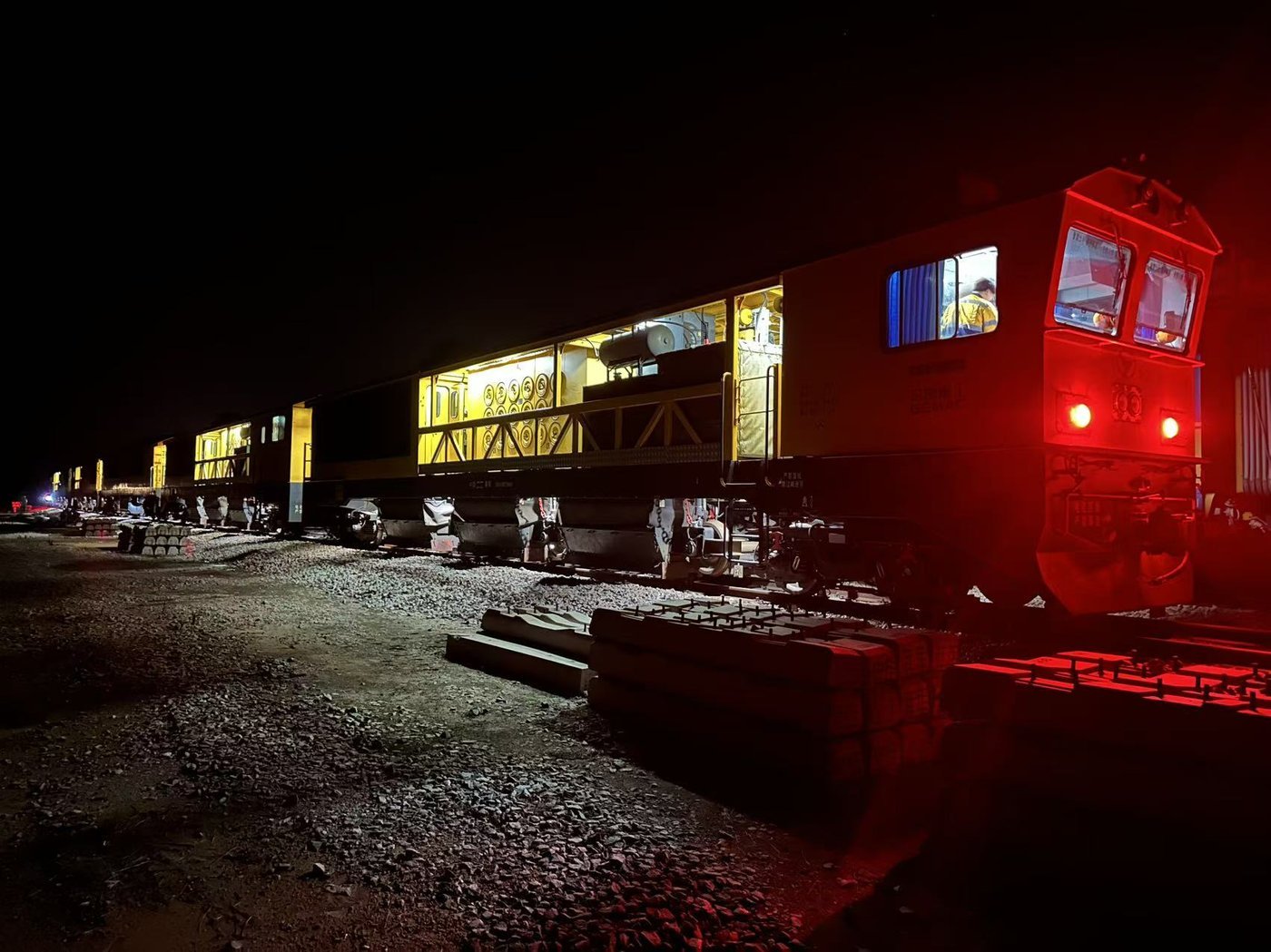
Sizing the contingency from records rather than from habit
Campaign shape is a budget decision in its own right, because overheads do not scale with pass-kilometres. The same annual requirement delivered in fewer, longer campaigns carries less mobilisation and fewer possessions; delivered in more, shorter ones it fits a fragmented possession pattern. That trade has a limit on the other side, since a longer interval lets more damage accumulate between visits, and the depth required to clear it grows with the interval — so the cheap campaign shape is not always the cheap programme.
A contingency that exists as a percentage survives review and then behaves like spare money. A contingency with named components behaves like a forecast. There are two that carry almost all of the variance. The first is re-work: a pass that met the plan but not the clause is a second pass paid for out of the same envelope. This is usually a criterion mismatch rather than a bad crew — one intercity operator's published grinding quality index sets a depth floor of 0.1 mm for preventive work against 0.2 mm for pre-grinding and for corrective work, so a compliant preventive pass can be rejected by a corrective clause and ground again.
The second is the out-of-sequence insertion: corrugation depth or lip width past 0.3 mm, a crack reading at the window, a ride complaint. These are not failures of the programme, they are what the programme exists to catch, and a budget with no line for them borrows from the next section on the list every time one fires.
| Component | What puts it in play | How to size it from what you already hold |
|---|---|---|
| Re-grind after a failed acceptance | A pass that met the plan but not the clause: a depth floor written for a different strategy, surface roughness, a continuous blue band, coverage short of the target profile | The ratio of re-ground to accepted pass-kilometres in the previous cycle. If that ratio is not held, the honest position is that the line cannot be sized this year, and that recording the inputs is the condition for next year's number being a forecast |
| Out-of-sequence insertion | Corrugation depth or lip width past 0.3 mm, a crack reading taken at the window, a ride complaint that arrives before the next planned visit | The count of unplanned interventions last cycle multiplied by their average pass-kilometres. The count predicts better than the cause does, because the causes change and the count does not |
| Short-section and transition work | Turnouts, platforms, level crossings and anything under about a kilometre, where the machine has to ramp in and out and the overhead sits on very little length | The pass-kilometres booked on sections under a kilometre. This is the line that quietly doubles a campaign's overhead when it is folded into a network-wide average instead of held apart |
None of the three can be sized from a percentage, and all three are cheap to hold once the records separate them. That is the argument for treating the budget and the record-keeping as one decision rather than two.
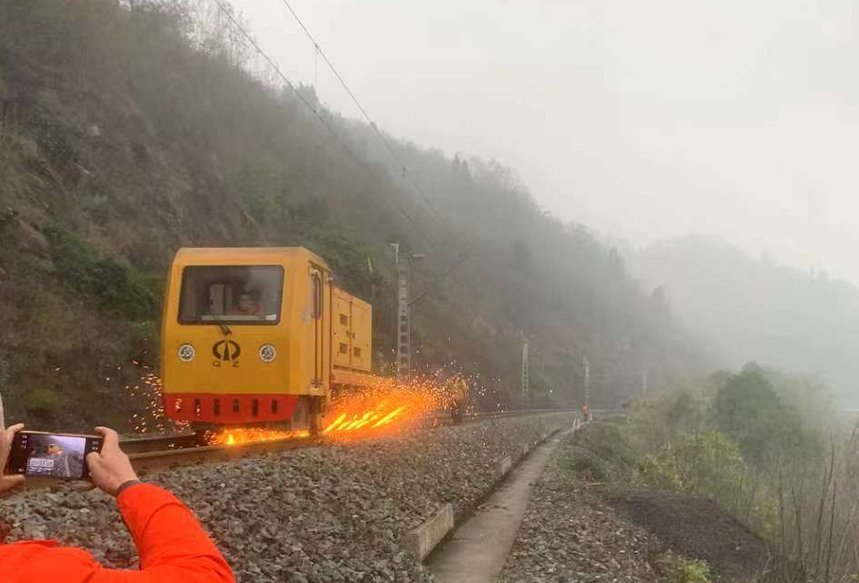
What the budget meeting will ask, and the number that answers it
| Question from the meeting | What actually answers it | The number you must already hold | What a wrong answer looks like | Who owns the answer |
|---|---|---|---|---|
| Why not grind everything deeply once and skip a year? | The envelope. Depth is a lifetime account on that rail, and one campaign spends a slice of it rather than resetting it | Steel already spent against the profile envelope, and the per-job acceptance ceiling that caps any single visit | "We will go deeper and not come back" — which spends two years of account in one possession and still does not remove the next visit | Permanent way engineer |
| Why is our rate per kilometre higher than the neighbouring network's? | The section mix, expressed as passes per kilometre, not the price of a pass | Pass-kilometres per track-kilometre for this network and for theirs | A comparison of two averages over two different mixes, which settles nothing and usually becomes an argument about suppliers | Whoever owns the budget model |
| Can half of it move into next financial year? | The interval against the damage rate on the sections deferred — deferred as classes, never as a slice off the top of the list | Measured development rate per section class, in the unit your intervals are already written in | Deferring by value rather than by class, so the fastest-developing sections leave the programme alongside the cheapest ones | Permanent way engineer |
| Why is there a contingency line at all? | Last cycle's actual-to-plan ratio, split into re-ground and inserted pass-kilometres | Re-work and insertion pass-kilometres as a share of planned, taken from records rather than from memory | A round percentage that passes review and is spent in the first quarter, leaving the last quarter exposed | Finance, with engineering signing the ratio |
| What does the extra money buy? | Coverage and frequency. It does not buy depth, and a budget that promises depth is promising what the envelope will refuse | Sections still outside their interval at the funded pass-kilometre level | "Deeper passes" — the one thing an increase cannot purchase, because the ceiling is geometric | Asset manager |
Two of these answers depend on documents the budget process does not produce, which is why budgets get defended on assertion instead of evidence. The rate per class comes from setting the interval from tonnage and measured condition; the actual-to-plan ratio comes from the records a programme has to keep, and if those do not separate re-ground from inserted pass-kilometres the contingency has nothing to be built from. The price side is set out separately in what operators pay per kilometre and why and in the drivers behind a cost per kilometre; the commercial side of the same problem is the KPI set a contract has to carry; and the ceiling that keeps depth out of the purchasing conversation is the grinding envelope. None of them yields a price without a network, and neither does this answer. What a Molaton wheel contributes is narrower and more useful: a consumable whose cost is already expressed per pass-kilometre, and whose removal per pass is consistent enough that the projection from last cycle to this one is a projection rather than a hope. A budget resting on a pass count that changes when the wheel changes is not a budget, it is a range.
Related questions you may also ask
Rail grinding cost per kilometre: what operators pay What does rail grinding cost per kilometre, and what drives it? What KPIs should a rail grinding contract include? What records should a rail grinding programme keep? How is a rail grinding interval set by tonnage? What is the grinding envelope, and who sets its limits? How to get a rail grinding quote: tips for buyers More answers on rail grinding strategy and equipmentBuilding a grinding budget that survives its own year?
Send RailwayCare the last cycle's pass-kilometres by section class, the rate you pay per pass-kilometre and the re-work share you actually incurred. We will come back with the pass-kilometre requirement the mix implies, the campaign shape it fits, and the Molaton wheel specification whose removal per pass makes that projection hold across a season.
Build My Budget Basis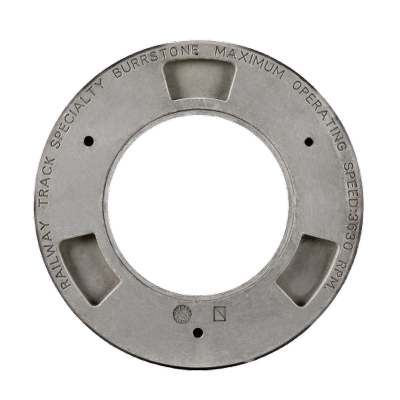
Are you looking for a reliable manufacturer of railway grinding and track maintenance equipment?
We can quickly provide customers with market analysis, technical support and customized services.Safe Tracks Proven by China
- Name
- Phone
- *Title
- *Content