What KPIs should a rail grinding contract include?
What KPIs should a rail grinding contract include?
Three layers, not one. Volume KPIs say how much grinding was delivered, quality KPIs say whether the defect actually went away, and delivery KPIs say whether it happened inside the possession you gave up. A contract that carries only the first is the easiest to write and the easiest to satisfy without solving the problem — because kilometres are counted, not judged. Three to five well-chosen indicators will govern a programme better than twenty.
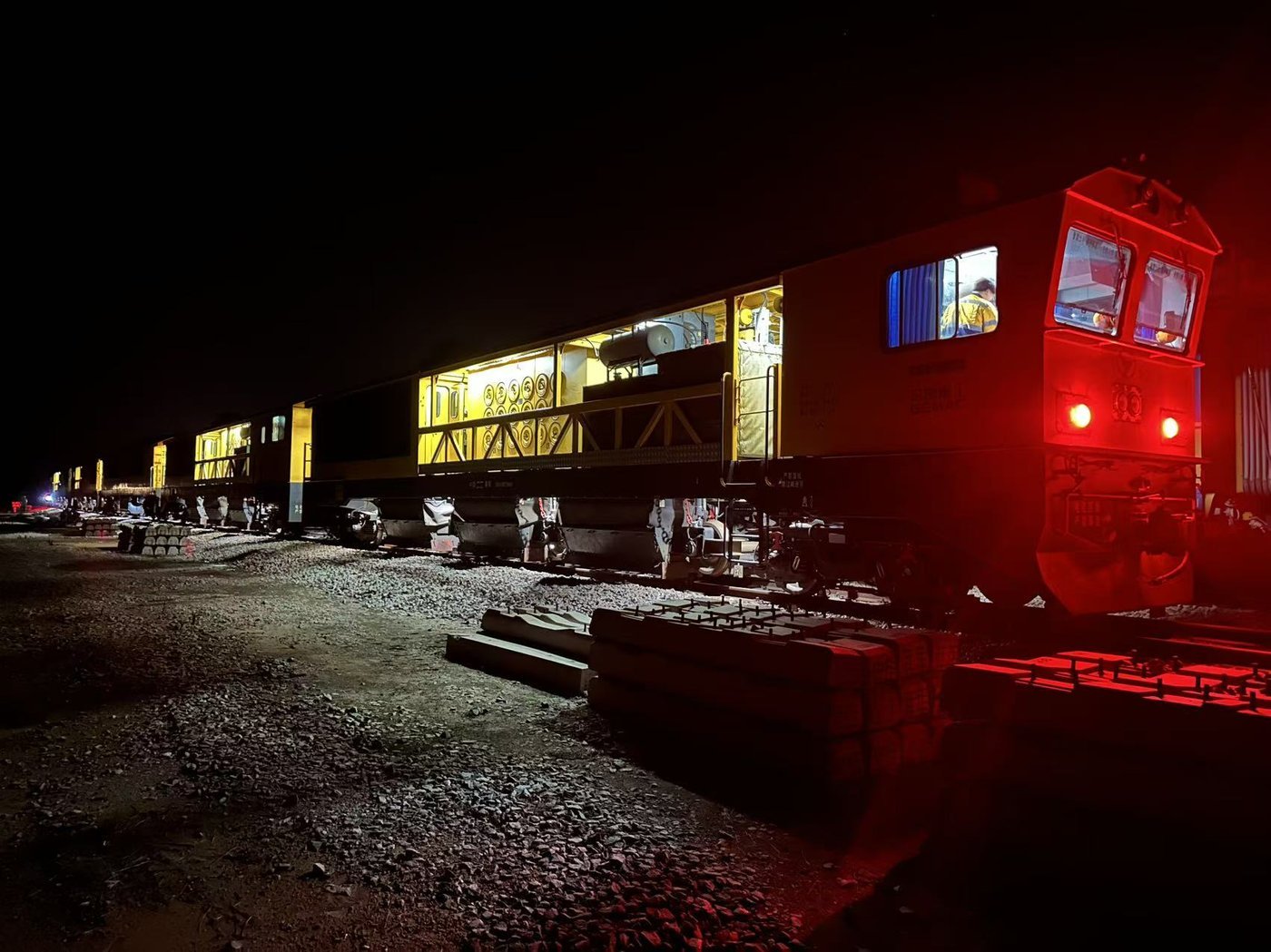
1. The three layers, and what each one protects
| Layer | Measured as | What it protects | How it gets gamed |
|---|---|---|---|
| Volume | Pass-kilometres per shift — length ground multiplied by passes, at the pattern agreed in the plan | The payment basis, and the ability to plan possessions against expected output | More passes made shallower; the easy tangent ground while the curves wait |
| Quality — profile | Share of measured sections inside the zone tolerances (region 1 at +0.2/−0.4 mm, regions 2 to 4 at ±0.2 mm), with GQI on the same sections | That the shape asked for is the shape delivered, in every zone rather than on average | Reading at hand-picked points, or measuring after a cosmetic touch-up pass |
| Quality — surface | Ra at or under 10 µm, no burn, and removal depth inside the agreed envelope and below the 0.5 mm cap for a single job | That the surface will last, not merely that it measures well on the day | Slowing down for one measured section; leaving dwell marks outside the sampled band |
| Delivery — possession | Productive grinding minutes against possession minutes granted, plus overrun minutes and the time taken to hand the line back | That the line came back on time and usable, which is worth more than the grinding itself | Counting grinding time as possession time; leaving the hand-back work to the client |
| Delivery — re-work | Re-grinding performed at the contractor's cost, and the re-measurement that closes it out | That a failure is paid for by whoever caused it | A second visit recorded as a new task rather than a repeat |
2. Why a kilometre-only contract produces under-grinding
| What happens | How the numbers still look good | What it costs you | Clause that stops it |
|---|---|---|---|
| Passes get shallower | Pass-kilometres hit the target while removal per pass sits below the planned depth — around 0.1 mm for preventive work and 0.2 mm for corrective work | The corrugation is smoothed rather than removed, and returns within a season | Depth per zone measured against the planned depth, not against total pass-kilometres |
| Curves get left until last | High pass-kilometres, mostly earned on tangent track where the work is fast and forgiving | Side wear and gauge-corner fatigue — the defects that actually consume rail life — stay in the ground | KPIs reported by section class: tangent, curve, turnout, each with its own target |
| The same angle pattern repeats | Pass-kilometres high, pattern unremarkable on paper | The zone that caused the defect is never reached, so the cause survives the job | Acceptance by zone conformity, not by a pattern diary |
| Sampling thins out | Pass-kilometres unchanged; the measured sections all pass | Burn and roughness defects sit between the measured points | A fixed sampling grid with recorded positions, agreed before mobilisation |
| Re-work becomes new work | Additional pass-kilometres appear as extra scope and are billed as such | You pay twice for one failure | Re-work defined as the contractor's cost, proven against the baseline |
None of this is dishonesty on the contractor's part. If the contract pays per kilometre and says nothing about depth, the cheapest way to deliver a kilometre is to take less metal off it. The KPI is doing exactly what it was written to do, which is the problem with the KPI rather than with the party being measured.
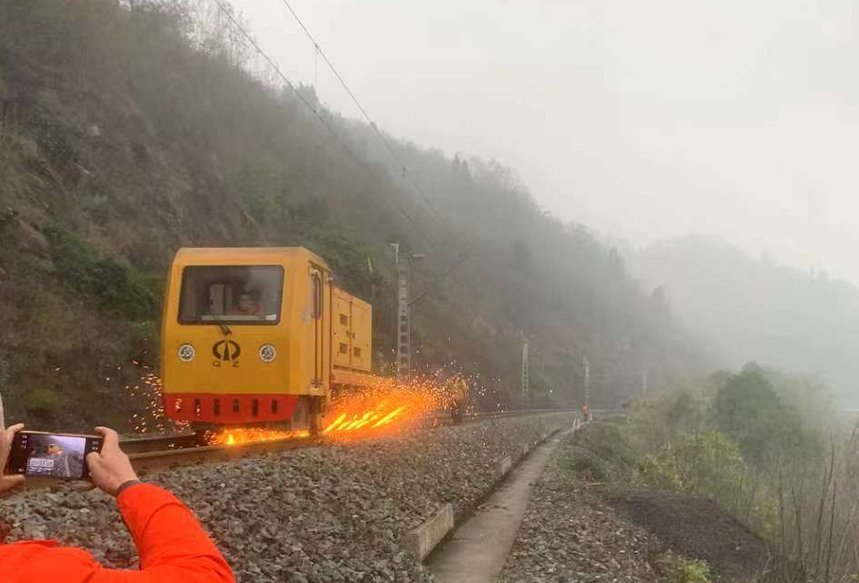
3. The clauses that make the KPIs enforceable
| Clause | What it must contain | What happens without it |
|---|---|---|
| Baseline | Profile and defect depth measured by section and by zone before mobilisation, signed by both sides | No quality KPI can be evaluated, so every disputed job is settled by whoever argues longer |
| Unit of payment | Pass-kilometre defined as length multiplied by passes, with the pass count taken from the agreed plan — the arithmetic is set out in how many grinding passes a rail needs | Each side counts volume its own way, and the difference is discovered at invoice stage |
| Quality gate | Zones, tolerances, instrument, sampling grid and the name of whoever measures — the threshold set is in what acceptance criteria decide whether a job passed | Acceptance becomes a courtesy extended by the party being paid |
| Delivery and hand-back | Possession minutes planned against used, the consequence of overrun, and the state the line must be returned in | An overrun costs more than the grinding did, and nobody is named for it — which is why night work is planned to the minute, as described in why grinder trains work at night |
| Payment structure | A retained portion released on acceptance rather than on mobilisation | The incentive to finish well is weaker than the incentive to finish |
| Records and traceability | Measurement files, machine parameters and wheel batch numbers delivered with the job | A roughness or burn failure can be blamed on either a setting or a batch, and the argument never resolves |
| Dispute route | Who re-measures, where, and at whose cost if the re-measurement confirms the failure | The dispute is settled by patience rather than by evidence |
Two disciplines keep this list short enough to be useful. First, every KPI needs a stated measurement method, because an indicator without one is an aspiration. Second, every KPI needs a stated consequence, because a number that is never failed is decoration rather than control. A contract with a dozen indicators and no consequence attached to any of them behaves exactly like a contract with none.
Which thresholds apply — the zone tolerances, the roughness limit, the colour scale that records burn, the depth that must stay inside the envelope — belongs to the technical acceptance question, and the depth half of it is covered in what grinding depth is safe. What the commercial layer adds is the other half: who carries the loss when a threshold is missed, and how the contract makes that loss land where it belongs. The overall shape of providers, contracts and sign-off is set out in rail grinding services, contracts and acceptance, and what a supplier should be able to produce before quoting is in how to get a rail grinding quote.
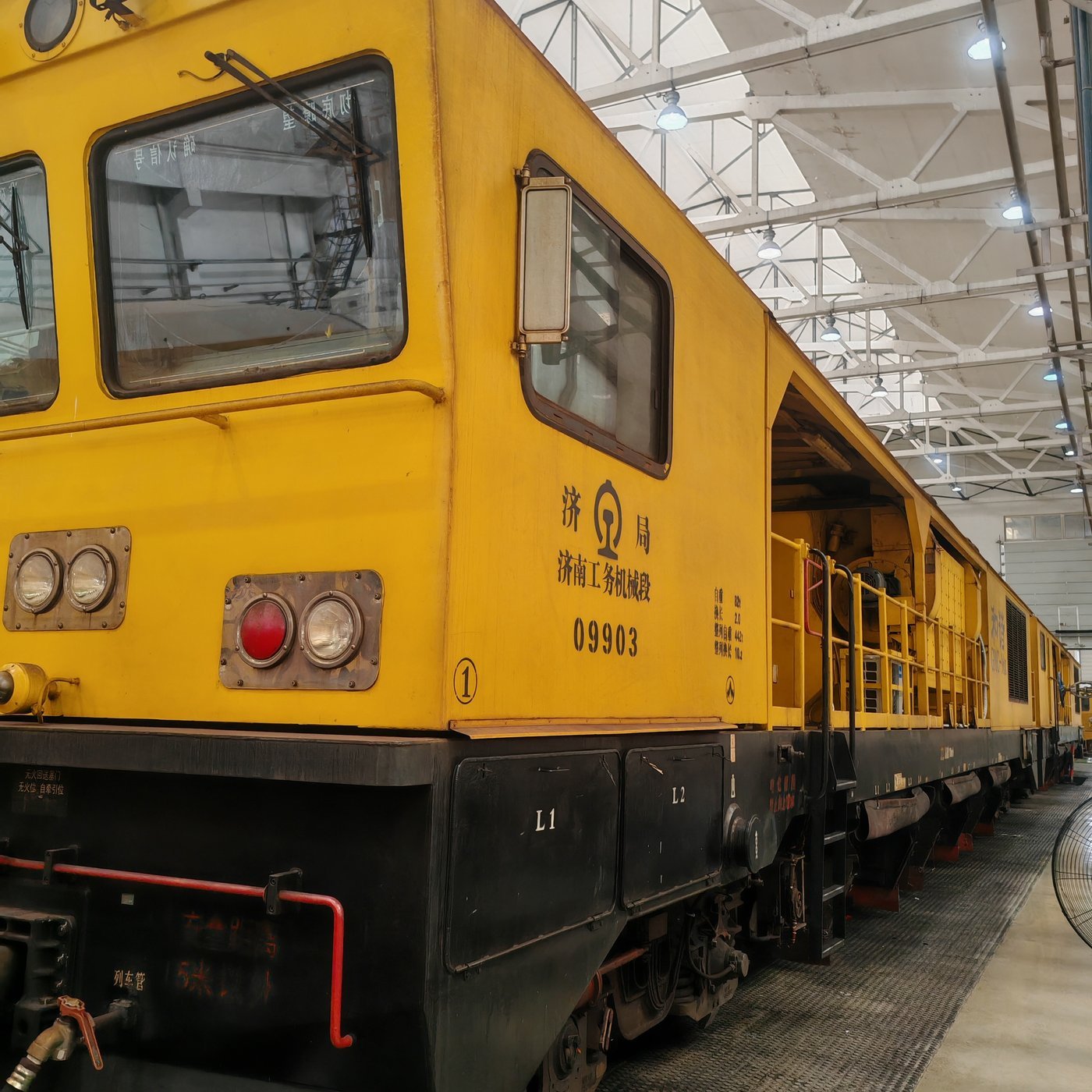
One KPI cannot be adjudicated without records from the consumable itself. When a surface fails on roughness or burn, the cause is either a machine setting or the wheel batch, and without a batch number on the job sheet the question stays open forever. Molaton wheels ship with batch traceability against the sections they ground, which is what turns a wheel-related failure into a question with an answer — and a Molaton pass plan that states removal per pass gives the depth KPI something real to be measured against.
Related questions you may also ask
What acceptance criteria decide whether a grinding job passed? How many grinding passes does a rail need? What grinding depth is safe before you over-grind a rail? How is a rail grinding interval set by tonnage? Rail grinding services, contracts and acceptance More answers on rail grinding strategy and equipmentWriting a contract that can actually fail a bad job?
Send us the scope you are about to tender, the sections and zones it covers, and the possession pattern you can grant. We will tell you which KPIs the work can be measured against, where a kilometre-only basis would let the job pass without solving the defect, and what a Molaton wheel has to deliver for the numbers to be comparable.
Ask About Contract KPIs
Are you looking for a reliable manufacturer of railway grinding and track maintenance equipment?
We can quickly provide customers with market analysis, technical support and customized services.
Safe Tracks Proven by China
- Name
- Phone
- *Title
- *Content