Railway Inspection manufacturer and supplier
Manufacturer of Portable and Light-Duty Inspection Tools for Routine Track Surveys
RailwayCare supplies field-ready inspection equipment for two core tasks: measuring track geometry parameters (gauge, cross-level, alignment, longitudinal level) and assessing rail condition (profile wear, surface cracks, internal flaws). All systems are designed for manual or trolley-based operation, suitable for maintenance crews working on mainlines, sidings, and yard tracks.
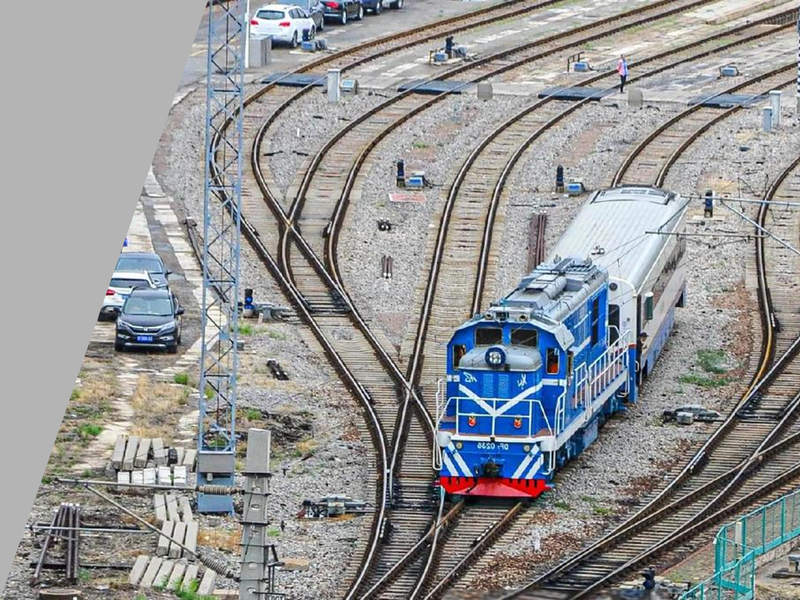
Rail INspection
What Is Track Inspection and Who Performs It?
Track inspection is the systematic measurement and visual assessment of track geometry and rail condition to verify compliance with safety and maintenance standards. It includes checking parameters such as gauge, alignment, cross-level, rail profile, and surface or internal defects.
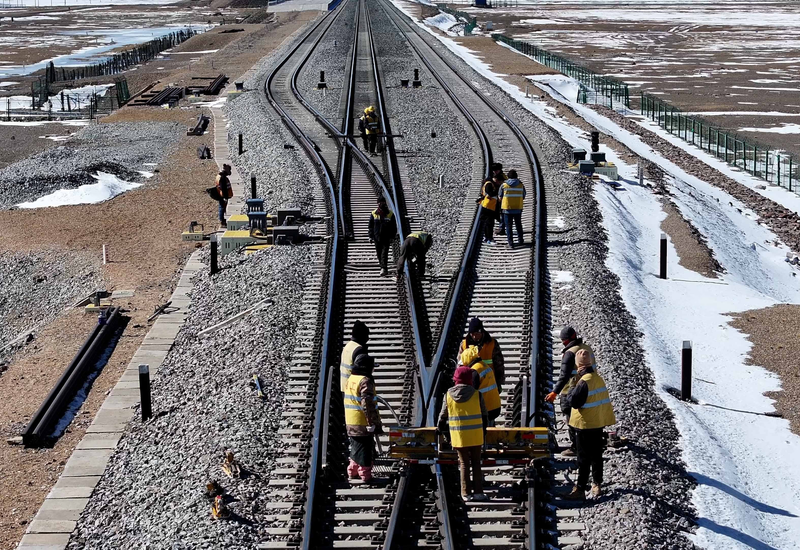
These tasks are typically carried out by track maintenance crews—including section gangs, inspection teams, or specialized technicians—during scheduled work windows or routine patrols. Operators use calibrated hand tools, trolley-mounted systems, or portable electronic devices, following procedures defined in national railway regulations.
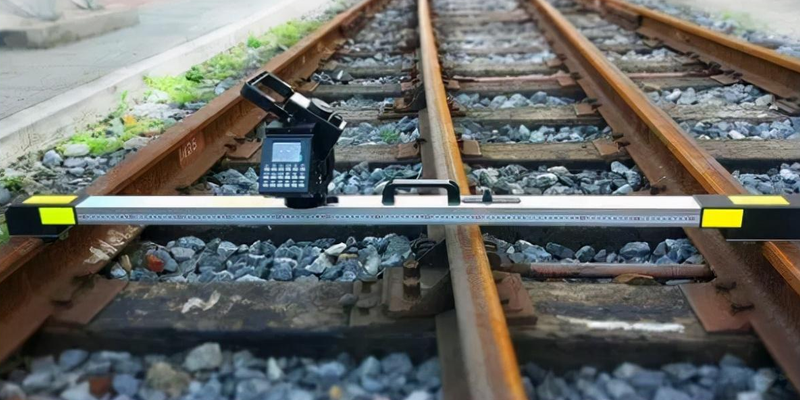
Track Geometry Measurement Tools
This type of inspection focuses on the macroscopic spatial position and shape of the track to ensure trains can pass smoothly and safely. It primarily measures whether the physical "profile" of the track meets design standards.
Core Objective: To guarantee track smoothness (ride quality) and prevent risks such as vehicle oscillation or derailment.
Key Parameters:
● Gauge: The distance between the inner faces of the two rails.
● Cross Level / Superelevation: The height difference between the top surfaces of the left and right rails, used to counteract centrifugal force, especially on curves.
● Vertical Profile / Longitudinal Level: The longitudinal smoothness of a single rail along the track direction, indicating the presence of vertical depressions or bumps.
● Alignment: The lateral smoothness of the track centerline, indicating whether it is straight or properly curved.
● Twist: The algebraic difference in cross level over a specific distance (between four measurement points); it is a critical indicator affecting operational safety.
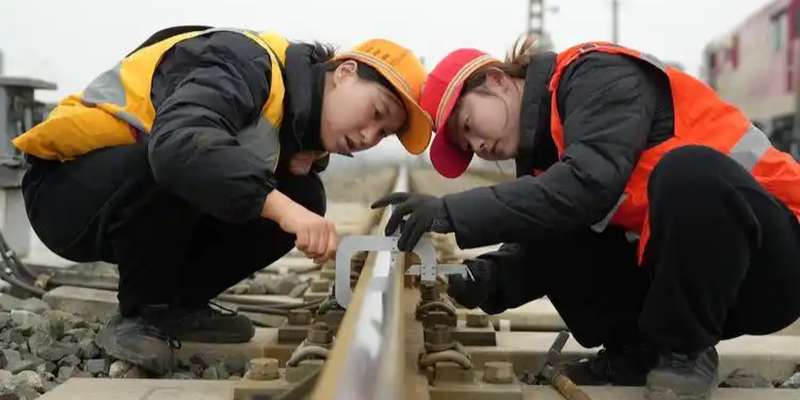
Rail Condition Inspection Tools
This type of inspection focuses specifically on the health status of the rail itself, which can be viewed as a "medical check-up" for the rail. Its purpose is to identify damage and defects on both the surface and interior.
Core Objective: To detect fatigue damage in the rail in a timely manner and prevent major safety accidents such as rail fractures.
Key Items:
● Internal Defects: Using technologies such as Ultrasonic Testing (UT) to detect internal cracks, transverse fissures (nuclear defects), and other flaws invisible to the naked eye.
● Surface Defects: Inspecting for cracks, spalling (shelling), chipping, and burns/scuffing on the rail surface.
● Wear Conditions: Measuring vertical wear, side wear, and corrugation (short-pitch corrugations).
Railway INspection
Why Regular Track Inspection Is Essential
Railway operations depend on the physical integrity of the track structure. Undetected deviations in geometry or rail condition can lead to accelerated component wear, ride quality degradation, speed restrictions, or—worst case—derailment. Systematic inspection is not optional; it is a fundamental requirement of railway safety management.
products
Explore RailwayCare's Professional Rail Inspection Equipment
Railway Inspection Tools
Railway inspection tools for track, vehicle and infrastructure maintenance: track gauges, rail profile instruments and defect detection equipment that keep inspection work fast, accurate and repeatable.
| Image | Railway Inspection Tools | Model | Description | More |
|---|---|---|---|---|
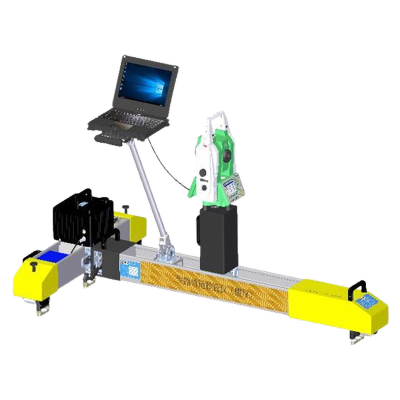 | Track Geometry Inspection Trolley RCI INS : Inertial Navigation | Full-Parameter Measurement | RCI INS | A self-contained inertial navigation trolley for high-precision geometry measurement without GNSS or track markers. | |
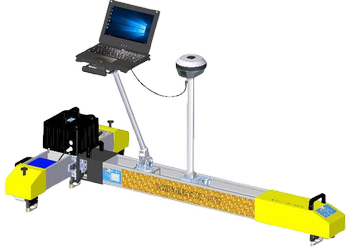
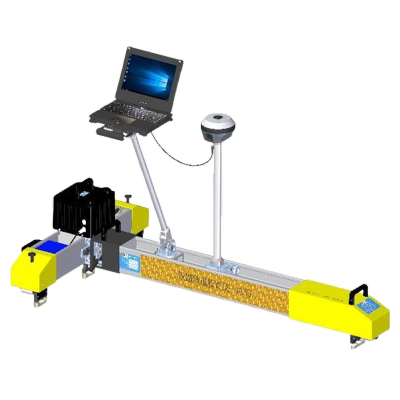 | Track Geometry Inspection Trolley RCI GNSS: GNSS-Augmented | Known Network Mode Enabled | RCI GNSS | A GNSS-augmented trolley delivering ±0.30 mm gauge accuracy at 4–5 km/h. | |
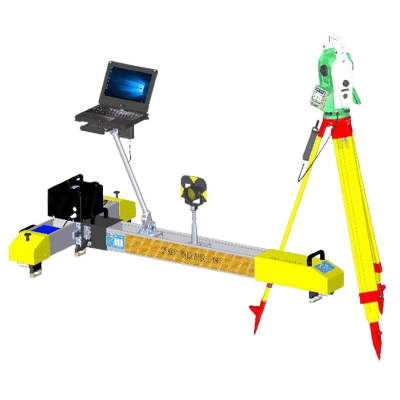 | Track Geometry Inspection Trolley RCI TW: Dual-Sensor Rail | High-Resolution Short-Wave Survey | RCI TW | This portable track geometry detector measures gauge, level, fits multiple gauges, and ensures safe rail inspection. | |
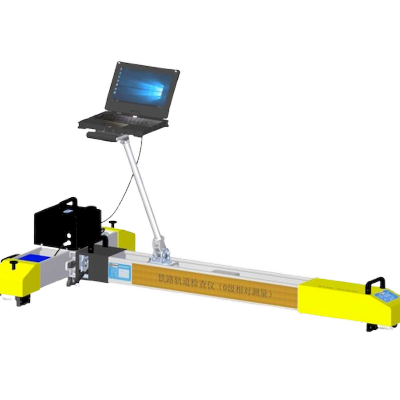 | Track Geometry Inspection Trolley RCI GJY Series: Class Relative | High-Precision Track Maintenance | GJY Track Geometry Measurement System | This track geometry detector accurately measures gauge, level, etc., fits multiple gauges and ensures safe rail inspection. | |
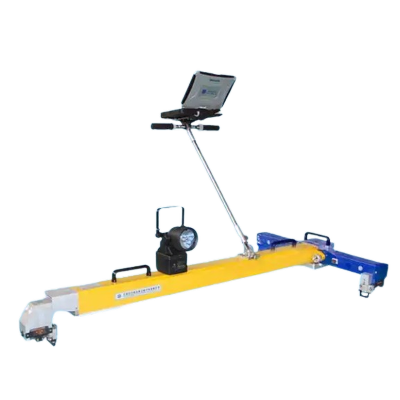 | OCS & Track Static Geometry Inspection System | Track Geometry System | OCS & Track Static Geometry Inspection System | This portable track geometry detector measures gauge, level, fits multiple gauges, and ensures safe rail inspection. | |
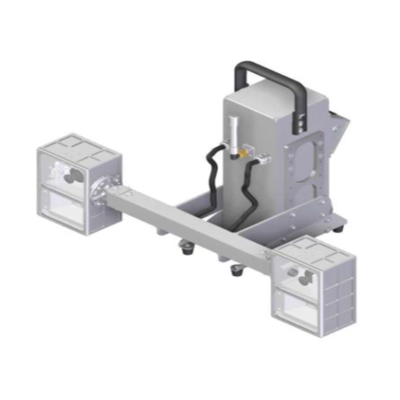 | Rail Defect Inspection Scanner| Auxiliary Rail Flaw Detection Instrument | Track Geometry System | INS-based Track Geometry System | This system is the surveillance camera assisting the track geometry detector. | |
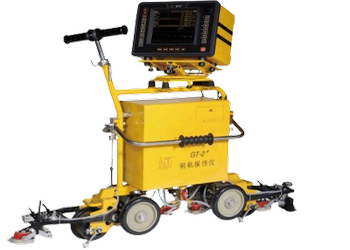
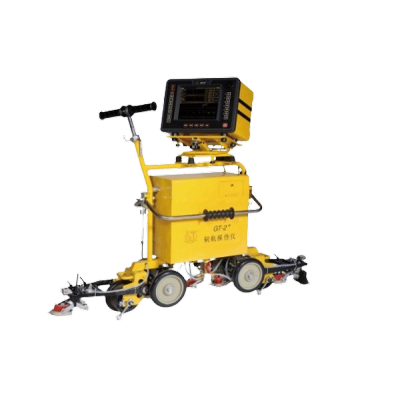 | T-2+ Rail Ultrasonic Flaw Detector | GT-2+ | The GT-2+ Rail Ultrasonic Flaw Detector is a high-performance, portable inspection system. | |
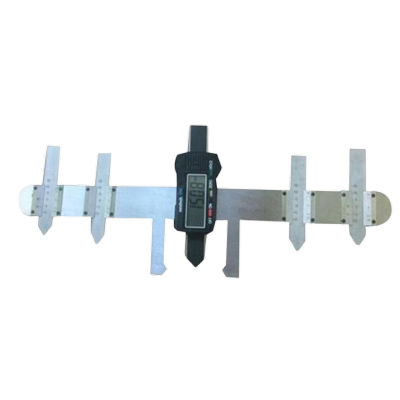 | Digital Display Frog Wear Gauge | KD-ZCX01 | The KD-ZCSX01 Frog Wear Gauge is a wear measurement instrument. | |
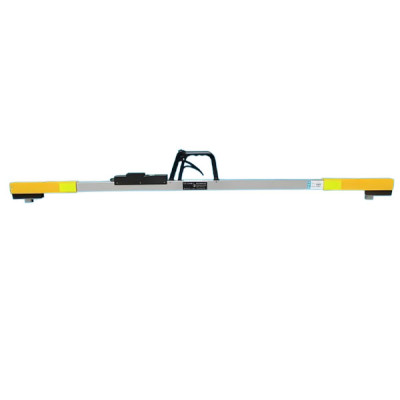 | Digital Track Gauge | Track Gauge | SGC-1 | SGC-1 Digital Track Gauge is an electronic inspection instrument | |
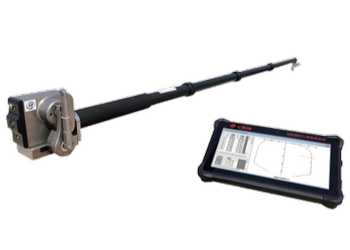
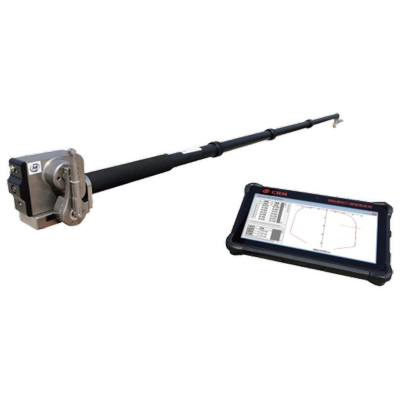 | RAIL PROFILE MEASURING INSTRUMENT | SPM | The SPM portable rail profile gauge is a rail cross-section profile measurement and analysis device |
Product Application Scenarios
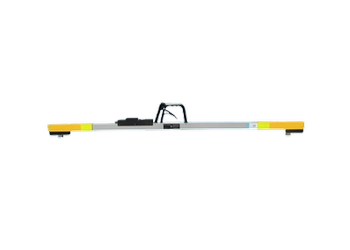
Main Types of Rail Inspection Device for Your Needs
Typical Applications
Track Inspection Scenarios
A Brief Analysis of Common Defects in Rail Inspection
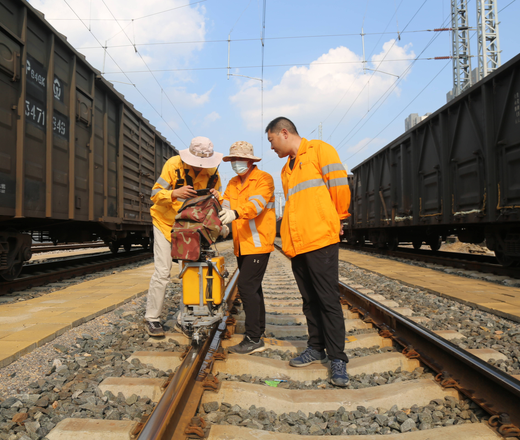
Post-Maintenance Verification on Mainlines
Tamping, lining, or grinding alters track geometry. Post-work measurements of gauge, alignment, and cross-level verify compliance with acceptance criteria in railway maintenance rules before normal speed is restored.
Method and Applicability:
Performed by section crews during maintenance windows using digital gauges or trolley-mounted geometry systems; applicable to mainlines and arrival-departure tracks after routine maintenance.
Curve Wear Monitoring in High-Traffic Sections
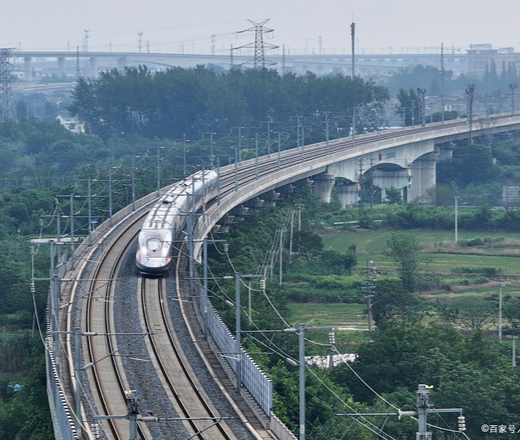
Curves under high traffic experience concentrated wheel-rail forces, leading to gauge widening, alignment drift, and superelevation loss. Periodic geometry surveys assess stability for maintenance planning.
Method and Applicability:
Manual measurement using 10–20 m string lines at fixed stakes; applicable to mixed-traffic or heavy-haul curves with radii under 800 m.
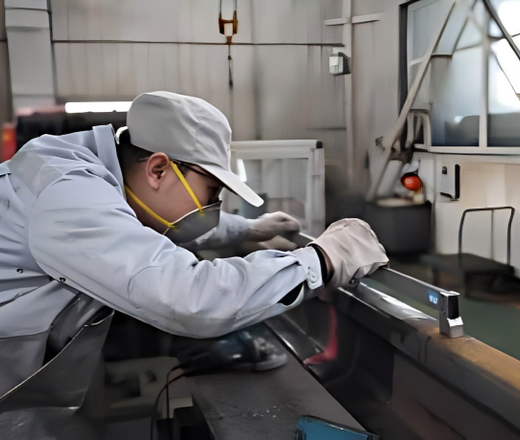
Side Wear
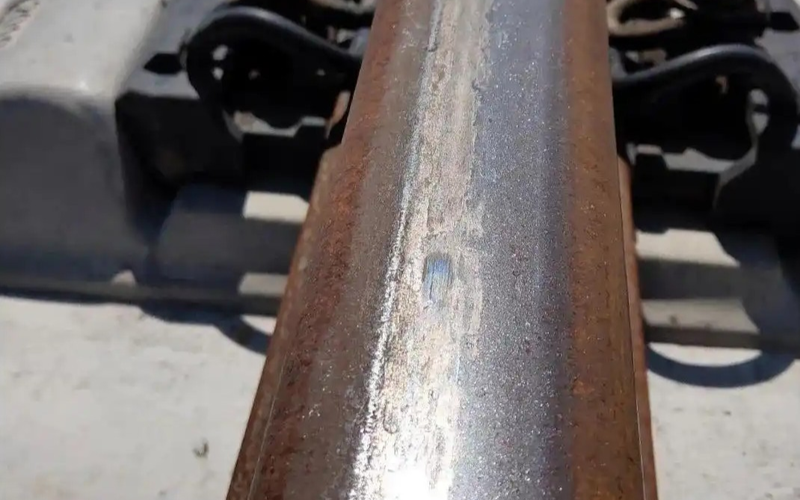
Side wear typically appears as wear at the gauge corner, often accompanied by phenomena such as rolling contact fatigue. Concurrently, the bright band shifts towards the gauge corner side of the rail, and iron filings generated by wear are commonly found at the rail base.
Method and Applicability:
The primary focus during grinding is the outer side of the rail crown, followed by covering the entire rail surface.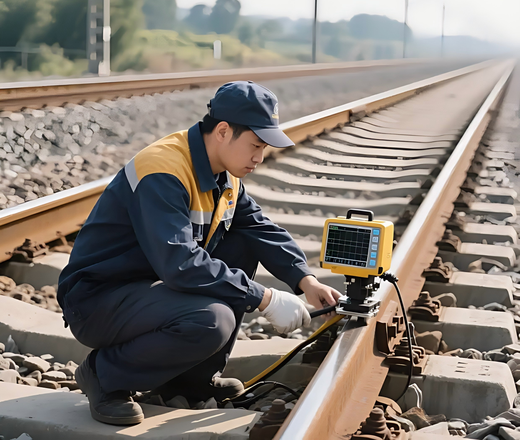
Turnout (Switch) Geometry Checks
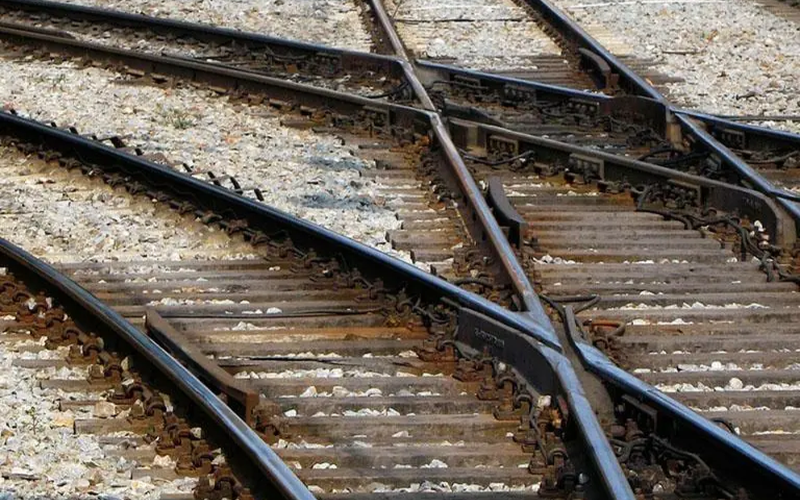
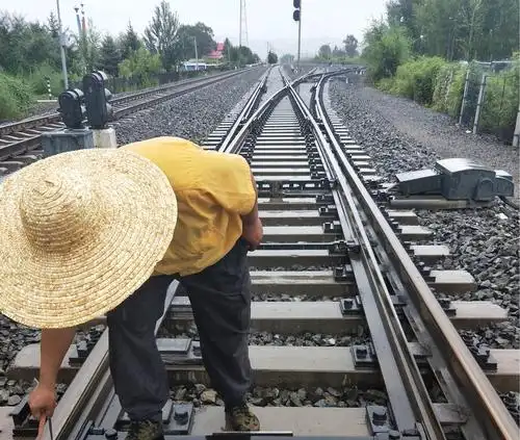
Turnouts require precise checks of point rail contact, guard rail clearance, and check rail distance—critical for safe operation. Their confined geometry precludes vehicle-based inspection.
Method and Applicability:
Specialized crews use turnout-specific gauges during scheduled work or patrols, in accordance with standards such as TB/T 3109.
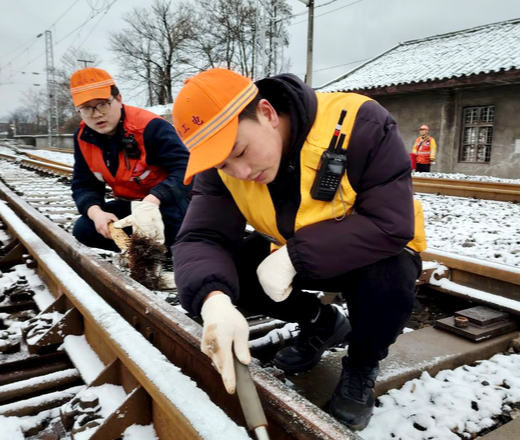
Seasonal Inspection Before Extreme Weather
Summer heat can cause buckling in continuous welded rail; freeze-thaw cycles may induce mud pumping or frost heave. Pre-season surveys detect early deformation in vulnerable sections.
Method and Applicability:
String-line methods or portable longitudinal level gauges are used for short-span surveys on soft subgrades, compacted ballast, or historically problematic zones—typically conducted before spring, summer, and winter.
Yard and Siding Condition Assessment
Yard tracks receive infrequent maintenance, leading to localized irregularities. Though speeds are low, prolonged neglect accelerates sleeper and fastener deterioration.
Method and Applicability:
Sampling inspections using trolley-mounted chord systems or basic gauges; suitable for marshalling yards, freight terminals, and depot access lines.
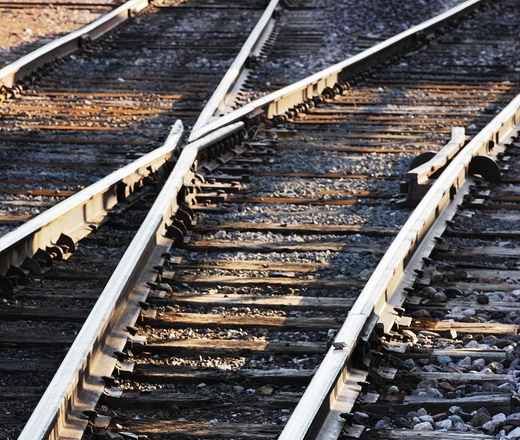
Rail End and Joint Bar Crack Screening
Joint zones endure impact loading, making bolt holes and rail ends prone to fatigue cracks that propagate rapidly.
Method and Applicability:
During scheduled joint inspections, angle-beam ultrasonic probes scan rail ends and joint bar areas; findings are evaluated against replacement thresholds in TB/T 2658.
Key Advantages
Choose RailwayCare as Your Partner

Covers vehicle blind spots
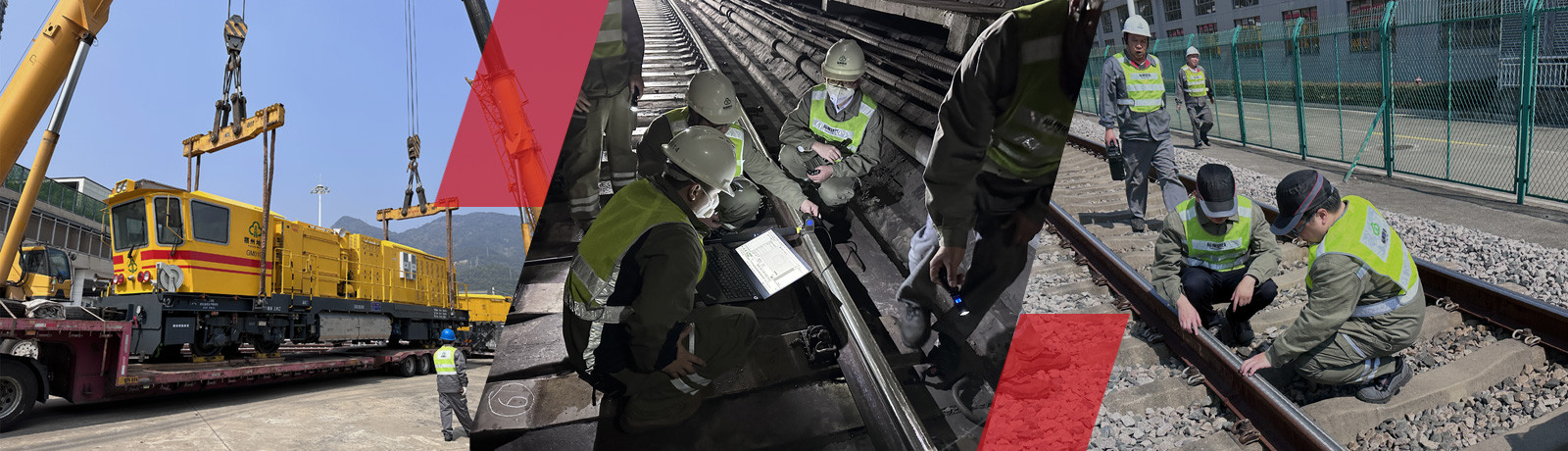
Portable tools operate in confined or low-speed zones—turnouts, bridge approaches, tunnels, and yards—where track geometry cars cannot access but defects frequently occur.

Fits existing workflows
No need for complex software training or external technical support. The measurement procedure aligns with traditional manual inspection, and data recording complies with Railway Maintenance Rules for direct use in work planning.

Efficient in maintenance windows
Lightweight and carried by one person, the equipment is ready for use within 5 minutes of setup and calibration—enabling multiple spot checks or emergency surveys within tight maintenance windows.

Traceable measurement data
All measurements are automatically stored with timestamp, location, and operator ID (optional), eliminating issues with lost or unverifiable paper records and supporting quality traceability.

Low-cost, scalable deployment
Robust construction with no precision moving parts requires only battery replacement and annual calibration. Acquisition and maintenance costs are an order of magnitude lower than vehicle-mounted systems, enabling deployment per section gang or team.
Mileage refinement
Customers and Industry Achievements

Case A
China Beijing Railway Bureau has completed 4,000km of maintenance.

Case B
The Wuhan Railway Bureau of China has completed 3,500km of maintenance.
Case C
Chengdu Railway Bureau of China has accumulated 6,000km of track-up mileage.
faq
Frequently Asked Questions
Q1: Is the accuracy of portable equipment sufficient for maintenance acceptance ?
A: Yes.
Certified equipment compliant with standards such as TB/T 2785 achieves geometry accuracy (e.g., gauge ±0.5 mm, longitudinal level ±1 mm) fully adequate for maintenance acceptance per Railway Maintenance Rules, suitable for routine verification on mainlines and sidings.
Q2: Is dedicated data management software required?
A: Not mandatory.
Devices export standard formats (e.g., CSV) for direct import into existing spreadsheets or maintenance management systems. Lightweight PC software is optional for advanced analysis (e.g., trend charts, exceedance statistics).
Q3: Can handheld ultrasonic flaw detectors replace specialized inspection vehicles?
A: They complement rather than replace.
Inspection vehicles suit long-distance surveys, while handheld units enable detailed spot checks at welds, joints, and curves—or post-weld verification—making them essential for routine maintenance.
Q4: Can the equipment operate in rain, snow, or low temperatures?
A: Mainstream industrial-grade units operate from -20°C to +50°C with IP54 or higher ingress protection, suitable for typical field conditions. In extreme weather, limit continuous use duration and apply moisture protection measures.
Q5: How to ensure consistency across different operators?
A: Ensure consistency via three controls:
① mandatory pre-use calibration;
② standardized measurement points (e.g., fixed stakes);
③ periodic inter-operator comparison tests.
Equipment repeatability error is typically below 0.2 mm.
Get in contact
Ready to Build Your Grinding Strategy with Proven Technology?
Contact RailwayCare today. Let's discuss how our domestically-proven solutions can be tailored to enhance the safety, efficiency, and longevity of your railway assets.
Please send your message to us
- Name
- Phone
- *Title
- *Content

Safe Tracks Proven by China
Please send your message to us
- Name
- Phone
- *Title
- *Content