How to Get a Rail Grinding Quote: Tips for Buyers
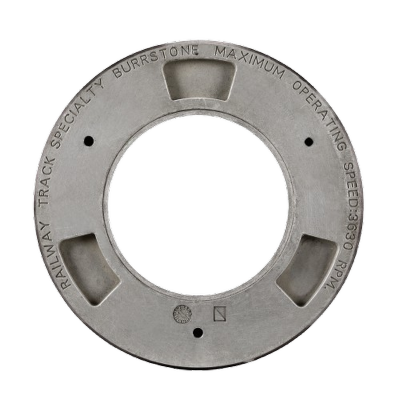
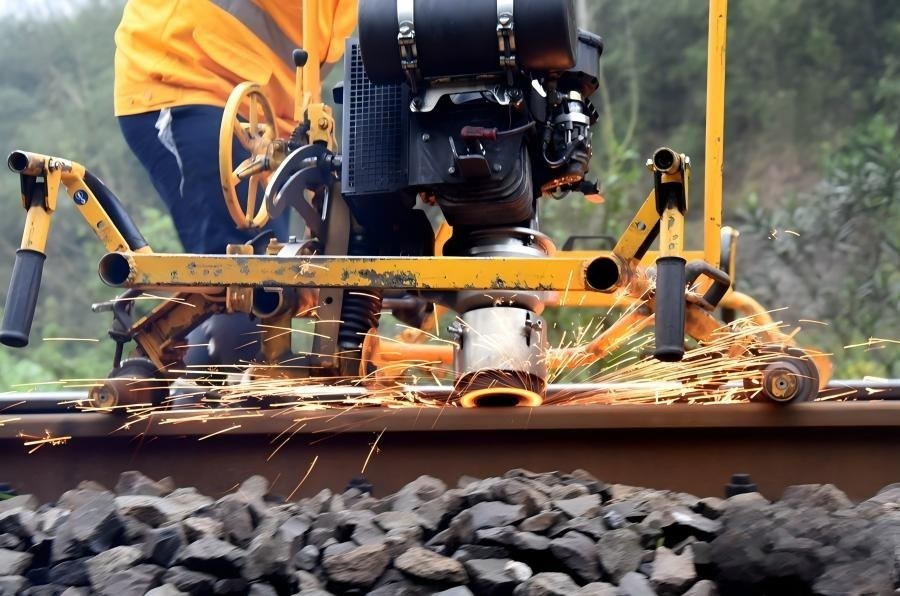
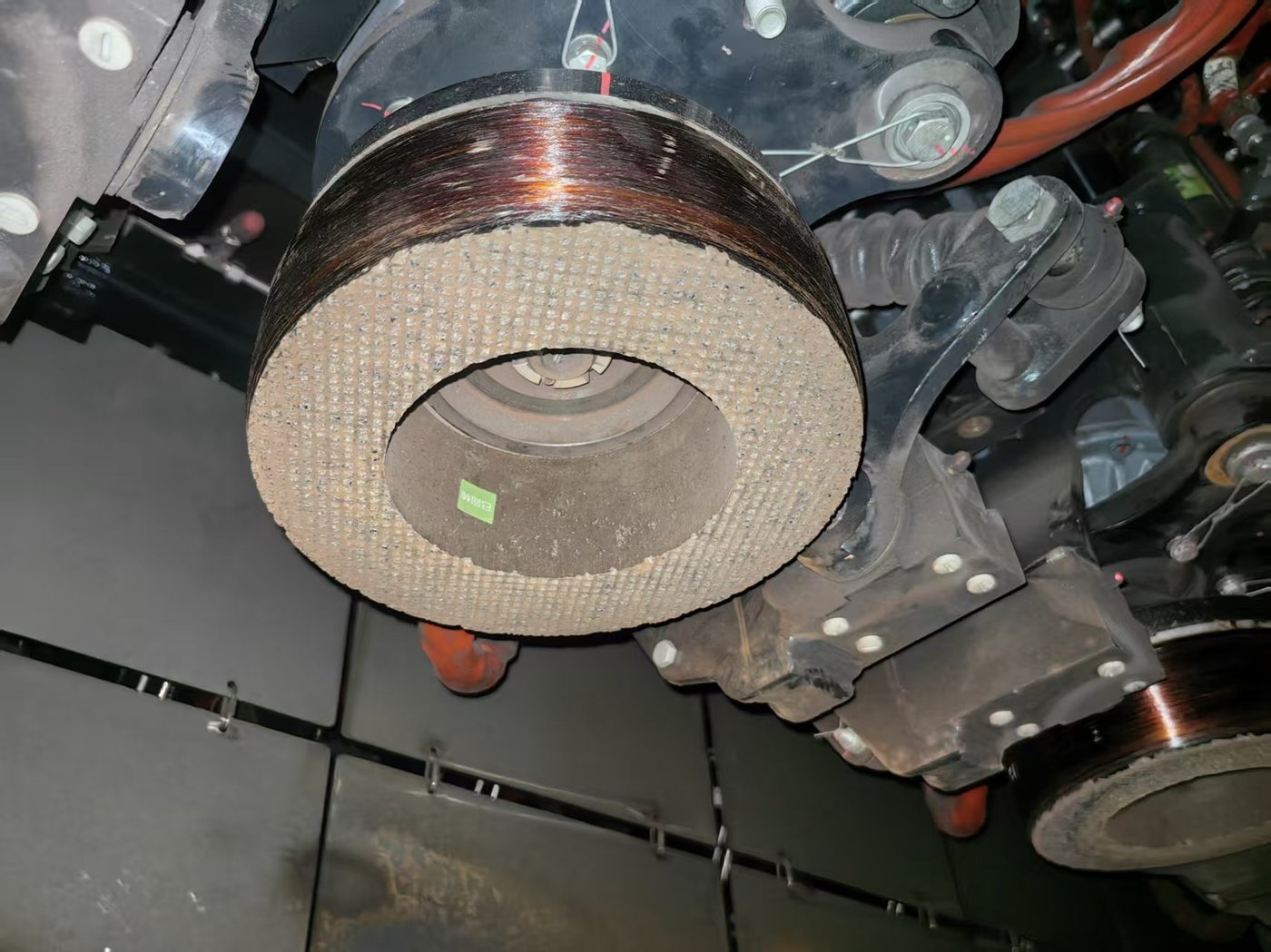
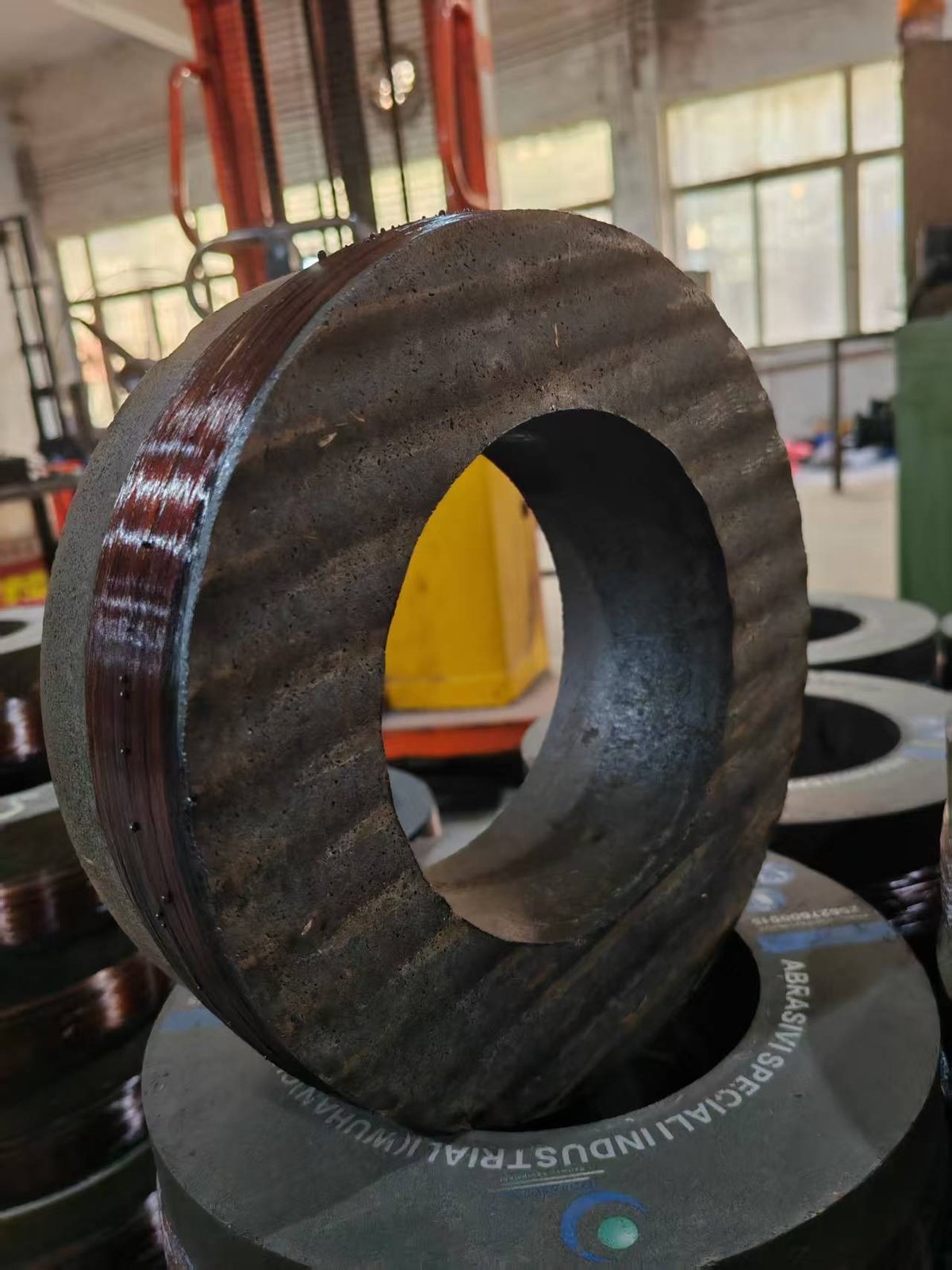
A rail grinding quote is not a price list. It is the answer to a set of questions the buyer either asks clearly or leaves the supplier to guess. When the questions are vague, the quotes that come back are not comparable: one supplier prices a wheel, another prices a box, a third prices a service campaign - and the cheapest-looking number on the page is rarely the cheapest outcome on the track. This guide is written from the supplier side of the table. It sets out what actually drives the price in a rail grinding quote, the five decisions that have to be made before a quote is meaningful, the data pack that makes competing quotes comparable, and the metrics that separate a low invoice from a low cost per kilometre ground. Four cost blocks sit behind almost every number a supplier sends. The abrasive and the bond. Rail grinding wheels are not general-purpose abrasives. The working abrasive is typically zirconia alumina, chosen because rail steel punishes sharp, friable grains; the bond has to hold that grain at 50 m/s while surviving the heat of a grinding campaign. Zirconia content, grain structure and bond chemistry are the single largest variable in unit cost. Dimensions and metal content. ZA 260×90×154 mm grinding train wheel carries an aluminium hub and glass-fibre reinforcement; a 350×60×127 mm Speno-format wheel is a different casting entirely. More diameter, more thickness and more reinforcement mean more material, more pressing time and more curing capacity. Volume and tooling. Wheel formats are pressed in tooling specific to the size. A one-off order of ten pieces and a repeat order of ten thousand pieces travel through the same press but not through the same production plan, so real quotes differ by volume band - not as a negotiation tactic, but because set-up and curing cycles are amortised differently. Compliance and documentation. Third-party test reports, batch traceability, ISO and CRCC certification, and market-specific approvals such as EAC certification for the Eurasian market all carry cost. They are also what protects the buyer when a wheel fails or an inspector asks for paperwork. The wider cost picture per kilometre of track is set out in our breakdown of rail grinding cost per kilometre. A supplier can only quote what the buyer has defined. These five decisions move the number more than any negotiation. 1. What is being ground, and why. Heavy-haul corrugation removal, high-speed preventive grinding and turnout finishing are different jobs with different removal depths per pass. Our guide to rail wear measurement and when to grind or replace covers the measurement side; the outputs of that measurement - target profile, removal depth, pass count - are exactly what a supplier needs to size a wheel and a volume. 2. Which machine, and which wheel format. A wheel is only as good as its fit. Machine model fixes diameter, thickness, bore and bolt pattern; it also fixes spindle speed, and therefore the maximum safe peripheral speed of the wheel. Our global directory of rail grinding machine manufacturers lists the wheel formats the main grinding train families run. 3. Grinding train wheels or hand-machine wheels. These are separate product families. Train wheels run at 50 m/s in a 96-stone carriage; hand-machine wheels for Geismar and Robel grinders run on M20 or 5/8-inch arbors and are used for weld and turnout finishing. A quote that mixes the two without saying so cannot be compared with anything. 4. Annual volume, and how it is consumed. Ten wheels for a trial, 600 wheels across a maintenance season and a 10,000-wheel annual contract are three different commercial propositions. Volume per machine, per depot and per year is what allows a supplier to hold stock for you. 5. Where the wheel has to arrive, and when. Delivery port, customs regime, Incoterm and required date change the delivered cost far more than most buyers expect - particularly when freight is quoted separately and compared against a delivered price. A complete request shortens the quoting cycle from weeks to days and removes the ambiguity that makes bids incomparable. Send these nine items in one message: If a drawing, a wheel photograph or the old wheel's marking is available, include it. A single dimensioned sketch prevents more errors than three pages of description. Two quotes for "260×90×154 mm wheels" can still differ in hardness, grain structure, reinforcement and tolerance - which is why the specification sheet matters more than the headline dimension. The formats below are the ones our own production runs against every week. Alongside the format, ask for the tolerance and quality data. These are the numbers we publish for each batch, and the ones that should appear on any quote's technical annex: The five indicators that separate a domestic wheel from an imported one - and which of them actually predict life - are compared in our domestic versus import rail grinder wheel benchmark. A spec sheet without numbers is marketing. A quote that carries these values next to the price is a document you can actually compare. Unit price alone tells you nothing. What matters is the commercial frame around it: The cheapest wheel per piece and the cheapest wheel per kilometre ground are usually different products. The metric to buy on is cost per pass-kilometre, or its practical equivalent, cost per grinding hour: Take two offers for the same machine. Wheel A is priced at an index of 100 and delivers 100 pass-km; wheel B is priced at 70 and delivers 50 pass-km: Wheel B is 30 per cent cheaper on the invoice and 40 per cent more expensive on the track - before counting the labour and track access consumed by twice as many wheel changes. A worked comparison of two brands at the same wheel format is in our Molaton versus Norton assessment for Loram machines. Independent field work behind our own life figures shows how wide the spread can be: When you request a quote, ask for the life figure the price is based on, and the test it came from. A supplier who cannot name the trial is quoting a hope. Serious buyers rarely sign a framework contract on paper data. The usual route is a staged order: a small trial quantity against an agreed evaluation protocol, then a seasonal order, then an annual contract once the wheels have run on your own track. Put the evaluation criteria in the RFQ before the trial, not after. Define how many wheels, on which machine, over how many kilometres, measured how, and against what acceptance threshold. Then the trial produces a number you can act on - and the supplier knows exactly what is being measured. The paperwork is part of the product. Ask for it with the price, not after the order: Quotes without documents are not cheaper. They simply move the risk to the buyer. Six patterns account for most of the avoidable cost in rail grinding wheel procurement: We have been making rail grinding wheels since 2004 - the first dedicated rail grinding wheel company in China - and we have drafted the national standard the format is made to, JB/T 11431 (current edition 2020). Production runs to about 500,000 wheels a year across train formats, turnout wheels and hand-machine wheels, with the abrasive supplied by Saint-Gobain and resin by SI Group. When a buyer sends the RFQ pack described above, our quote normally comes back with four things: the wheel specification and tolerance sheet for the exact machine model, the wear life in pass-kilometres and the trial it is based on, third-party test reports for the batch type, and the commercial frame - MOQ, price steps, lead time, Incoterm and payment terms. A quote for a standard rail grinding wheel format with the machine model and volume defined normally takes two to three working days. New formats that require tooling, or orders that need a market-specific approval such as EAC certification, take longer because the tooling and documentation lead times are real. MOQ for rail grinding wheels depends on format: a trial quantity for an evaluation run is possible on standard train wheel sizes, while a non-standard format usually needs to run in a press batch. Ask for the MOQ per format rather than a blanket figure, and ask separately for the trial quantity. Compare cost per grinding hour, or cost per pass-kilometre. Price per wheel hides the variable that dominates maintenance budgets - how many pass-kilometres the wheel delivers. A wheel that is 30 per cent cheaper but lasts half as long costs about 40 per cent more to run. Use one Incoterm for every supplier you compare. FOB is the common baseline for sea freight, CIF if the supplier arranges carriage and insurance, and DDP where the supplier can clear customs cleanly in your market. Ex-works prices appear lowest and are rarely the cheapest delivered cost. A drawing or a clear photograph of the existing wheel marking removes more errors than any other single item in the RFQ. For standard train wheel formats the machine model is usually enough; for hand-machine wheels, turnout wheels and any non-standard bore or bolt pattern, send the dimensions. Send us your RFQ pack - machine model, wheel format, track type, annual volume and delivery port - and we will come back with a specification, a life figure with its test basis, and a commercial frame you can compare against any other supplier. RailwayCare (Wuhan Huatie Ruijie Rail Transit Technology Co., Ltd.) – your professional partner in rail grinding, with Molaton grinding wheels field-proven on high-speed, heavy-haul and metro lines since 2004.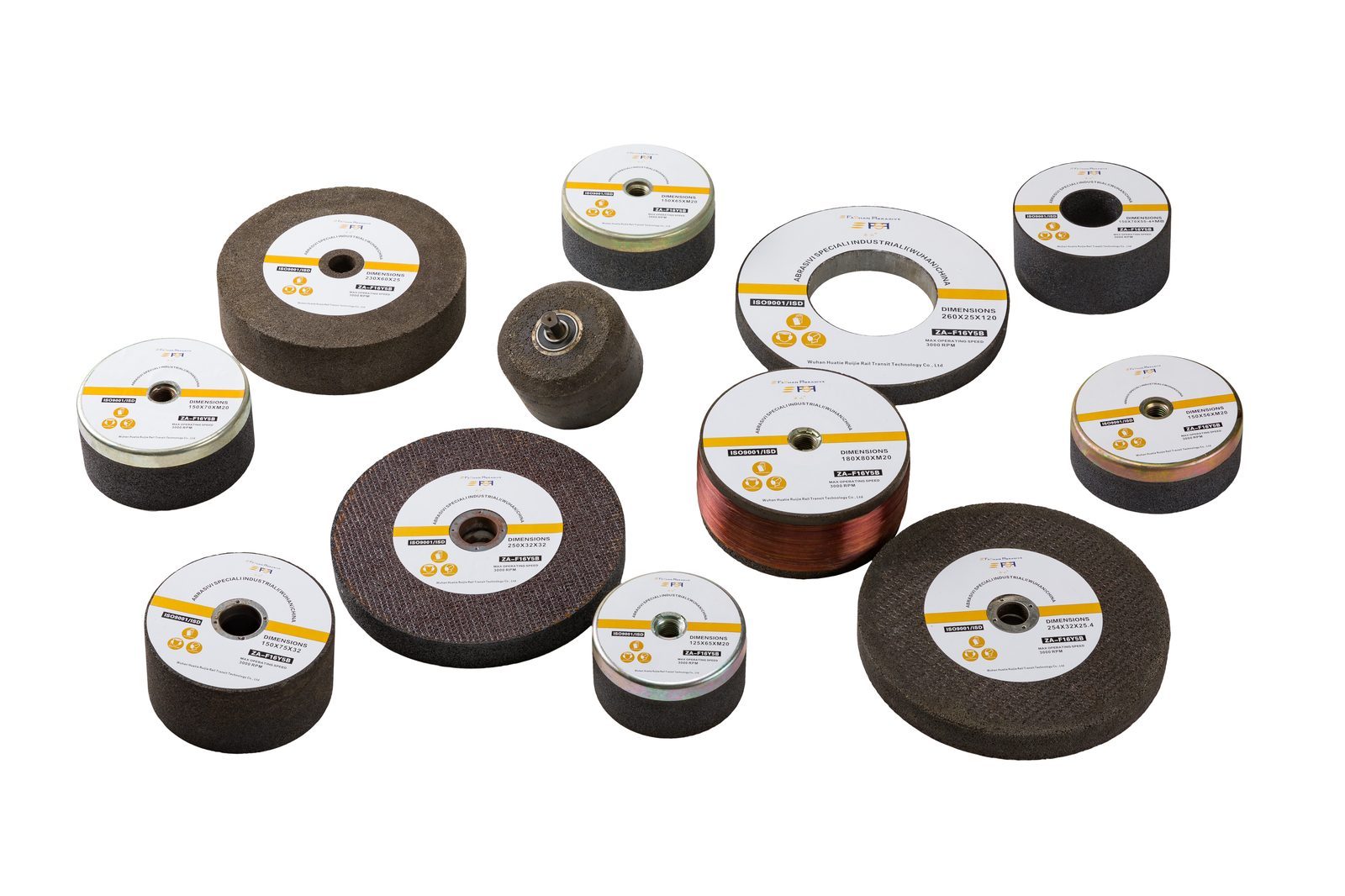
What Drives the Price in a Rail Grinding Quote
Before You Ask: Five Decisions That Shape a Rail Grinding Quote
The RFQ Pack: What to Send a Supplier
Wheel Specification: The Data Sheet That Makes Quotes Comparable
Machine family Typical wheel format (D × T × H, mm) Abrasive / bond Rated speed Harsco PGM-48 260 × 90 × 154 Zirconia alumina, aluminium hub, glass-fibre reinforced 50 m/s Harsco PGM-96C / GMC-96X (G1) 260 × 90 × 153 Zirconia alumina, aluminium hub 50 m/s Speno GMC16A (dual-power) 180 × 105 × 90 Zirconia alumina, aluminium hub 50 m/s Speno GMC96B 250 × 75 × 150 Zirconia alumina, aluminium hub 50 m/s Mecno 350 × 60 × 127 / 350 × 50 × 127 / 350 × 35 × 127 / 350 × 25 × 127 Zirconia alumina 50 m/s Loram 260×83×152 Composite, zirconia alumina, glass-fibre reinforced 50 m/s Passive high-speed systems Ø119 – 122.5 × 71.5 – 74.5 Zirconia alumina 0 – 40 m/s Parameter Requirement Outside diameter ± 2.0 mm (± 1.0 mm for high-speed stones) Thickness ± 1.5 mm Parallelism ≤ 0.4 mm Concentricity ≤ 0.5 mm Unbalance k = 0.4; G1 ≤ 30 g, G3 ≤ 34 g, high-speed stones ≤ 19 g Wear life (G1 test programme) ≥ 100 pass-km per wheel Operating speed 50 m/s (train wheels); 0 – 40 m/s (high-speed stones) Bolt-hole engagement (train wheels) M10, effective thread engagement ≥ 17 mm Reading a Quote Line by Line: Price, MOQ, Lead Time, Incoterms
Cost per Grinding Hour: The Number That Actually Matters
cost per pass-km = wheel price ÷ pass-kilometres delivered per wheel
Wheel Price index Life (pass-km) Cost per pass-km A 100 100 1.00 B 70 50 1.40 Trial Result GMC-96X half-car comparison (2022) 20 – 30 mm wheel consumption versus 43.5 – 59 mm for a Norton comparison wheel on the same machine - roughly double the wear resistance Yi-Yang railway, Shandong (2023) 145 pass-km with 25.45 mm average consumption → 5.7 pass-km per mm Shenhua Shuohuang heavy-haul (2023) 172.8 pass-km with 34.67 mm consumption → 4.98 pass-km per mm He-Wu high-speed trial (2020) 4.28 pass-km per mm versus 3.27 for the incumbent wheel (1.31× life); 214.22 pass-km per wheel average Wuhan–Guangzhou possession 18.72 pass-km ground inside a two-hour maintenance window Trial Orders and Sample Runs: Test Before You Commit
Documents and Certificates to Demand With the Quote
Common Mistakes That Inflate a Rail Grinding Quote
How RailwayCare Prepares a Quote for Rail Grinding Wheels
FAQ
How long does it take to get a quote for rail grinding wheels?
What is the minimum order quantity for rail grinding wheels?
Should I compare price per wheel or cost per grinding hour?
Which Incoterm should a rail grinding wheel quote use?
Do I need a drawing or the old wheel marking for an accurate quote?
Get a Quote for Rail Grinding Wheels