Domestic vs Import Railway Grinder Wheels: 5 Key Performance Indicators Compared
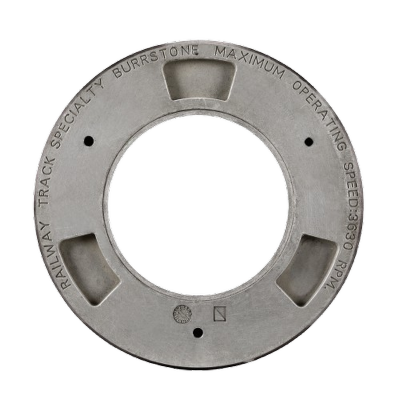
The 30–50% price gap between imported and domestic railway grinder wheel options has long been a point of debate in rail maintenance procurement. Is the premium justified by superior performance? Or has the technology gap narrowed to the point where domestic alternatives offer better value? This article examines the five critical performance indicators — wear resistance, grinding efficiency, surface quality, service life, and consistency — comparing imported and domestic wheels with real test data, with Molaton serving as the domestic benchmark.
The Import Premium: Why Railway Grinder Wheel Prices Vary So Much Across Markets
Imported railway grinder wheel products — predominantly from European and North American manufacturers — carry prices 30–50% above comparable domestic products. This premium is not purely about product quality. It reflects several structural factors:
- Brand premium: Decades of market leadership allow established brands to command higher prices regardless of incremental performance differences.
- Tariffs and logistics: Cross-border shipping, customs duties, and warehousing add 15–25% to delivered cost.
- Distribution margins: Multi-tier distribution networks in target markets add layers of margin.
- Currency and overhead: Higher labor and regulatory costs in home countries translate to higher base prices.
The question that matters is whether these external cost factors correlate with actual performance differences. The data suggests the gap is narrower than the price gap would imply.
Five Critical Performance Indicators for Railway Grinder Wheel Comparison
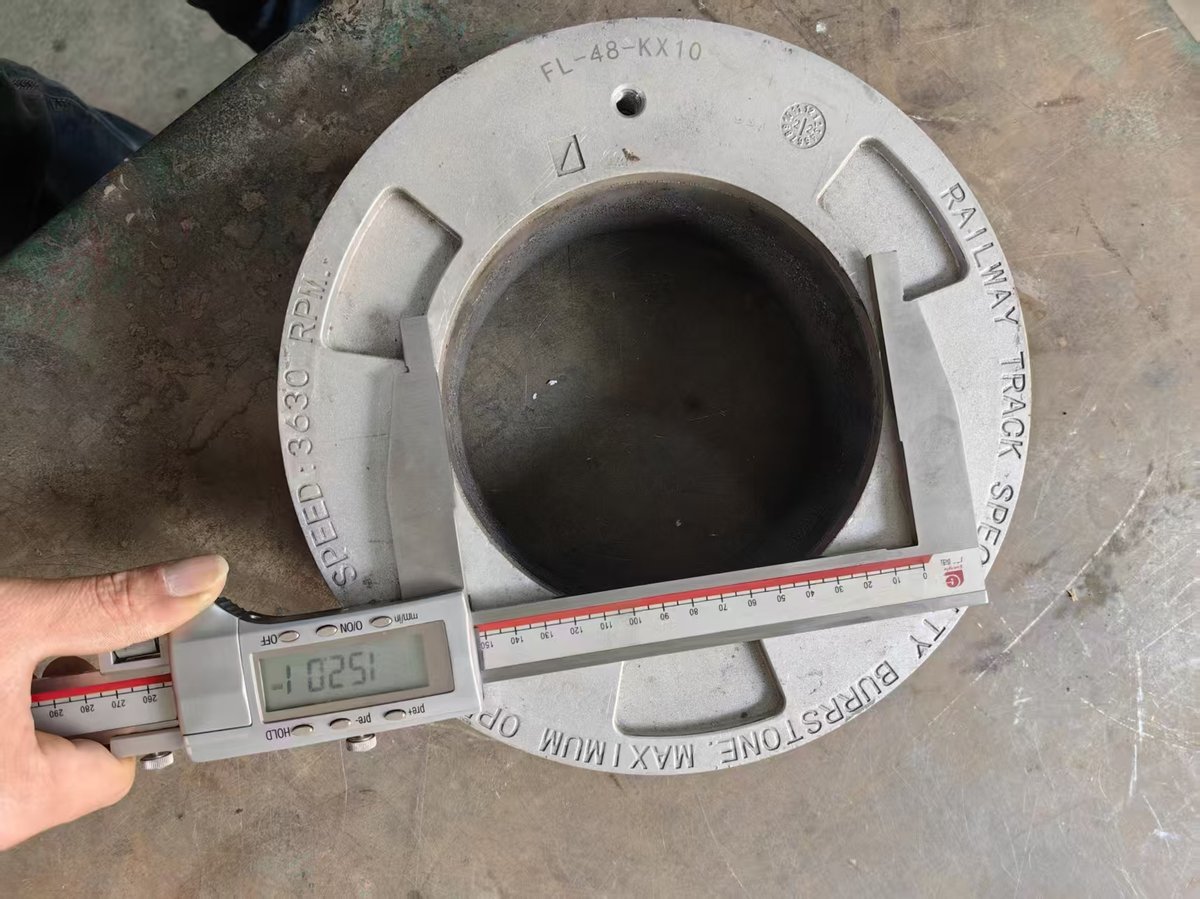
Any meaningful comparison between imported and domestic railway grinder wheel products must be measured across five dimensions:
1. Wear Resistance
Measured in line-kilometers of grinding per wheel, or mm of diameter loss per unit of material removed. Directly impacts consumable cost per km.
2. Grinding Efficiency
Material removal rate (kg/hr) under standard operating parameters. Determines how many passes are needed to achieve target profile.
3. Surface Quality
Post-grinding Ra value. Affects wheel-rail contact conditions and noise generation.
4. Service Life
Total useful life before replacement. Combines wear resistance with structural integrity (no premature failure due to cracks or delamination).
5. Consistency
Batch-to-batch variation in all of the above. The most overlooked but most operationally important dimension.
Indicator 1 — Wear Resistance: Domestic Railway Grinder Wheels Close the Gap
The most useful comparison is the one run on the same machine in the same window. On a GMC-96X grinding train, 48 domestic (Molaton) wheels were fitted on one side and 48 imported wheels on the other and the campaign was run as normal: the domestic wheels showed roughly 1.5 times the durability of the imported product, with comparable grinding quality, no end-face cracks and visibly less fume.
An earlier trial on the same machine class pointed the same way. Over 18.72 pass-km ground in a single night possession, the trial wheels consumed 20-30 mm each, against 43.5-59 mm for the imported comparison wheels running in the same campaign - close to half the wear for the same work.
The pattern holds on high-speed and heavy-haul duty as well. On the Hefei-Wuhan high-speed line the domestic wheel measured 4.28 pass-km per millimetre of wear against 3.27 for the incumbent imported wheel - about 31 per cent more life - and averaged 214.22 pass-km per wheel. On heavy-haul lines, campaigns with the same wheel family have measured 5.7 pass-km/mm (Yiyang line) and 4.98 pass-km/mm (Shuohuang).
Set those life figures against the delivered price difference and the domestic wheel produces a materially lower cost per kilometre of grinding. That is the number that matters - not the price on the invoice.
Indicator 2 — Grinding Efficiency: Material Removal Rates in Real Operations
Removal rate is governed by the abrasive, the bond and the machine parameters rather than by where the wheel was built. What separates two wheels under load is whether the grain keeps cutting or starts polishing, and that is measurable. In the Shenhua project test programme, zirconia alumina - the specification top-tier domestic wheels are built to - measured 308.0 MPa compressive strength and a grinding ratio of 41.0, against 124.0 MPa / 22.4 for calcined brown alumina and 103.2 MPa / 11.9 for white alumina.
The practical consequence is not a small difference in instantaneous removal rate; it is whether the wheel still removes metal at the end of a possession instead of glazing the rail and generating heat. That is why a domestic wheel specified on the same abrasive and bond system as the imported product holds its cutting performance across the campaign.
Indicator 3 — Surface Quality: Ra Values Tell the Real Story
Post-grinding surface roughness (Ra value) is the most operationally relevant performance metric because it directly affects train running safety and wheel-rail contact fatigue. Test results:
- Industry acceptance limit: Ra ≤ 10 µm after grinding (TB 10413-2018 and equivalent operator standards)
- Measured in our field work: roughness across all ground rails of 1.05-9.0 µm, most readings 2-4 µm, with no continuous blue bands (Loram-machine trial, Jiangmen, 2026)
- Contact band: width and position checked on the same pass - 25-30 mm on high-speed track, 35-40 mm on conventional and heavy-haul
Both imported and domestic products from established manufacturers meet the Ra limit. The meaningful difference is not the best figure a wheel can produce in one test, but whether it reaches that figure consistently, batch after batch, and whether the surface comes out free of burn.
Indicator 4 — Service Life: Structural Integrity Under Extended Use
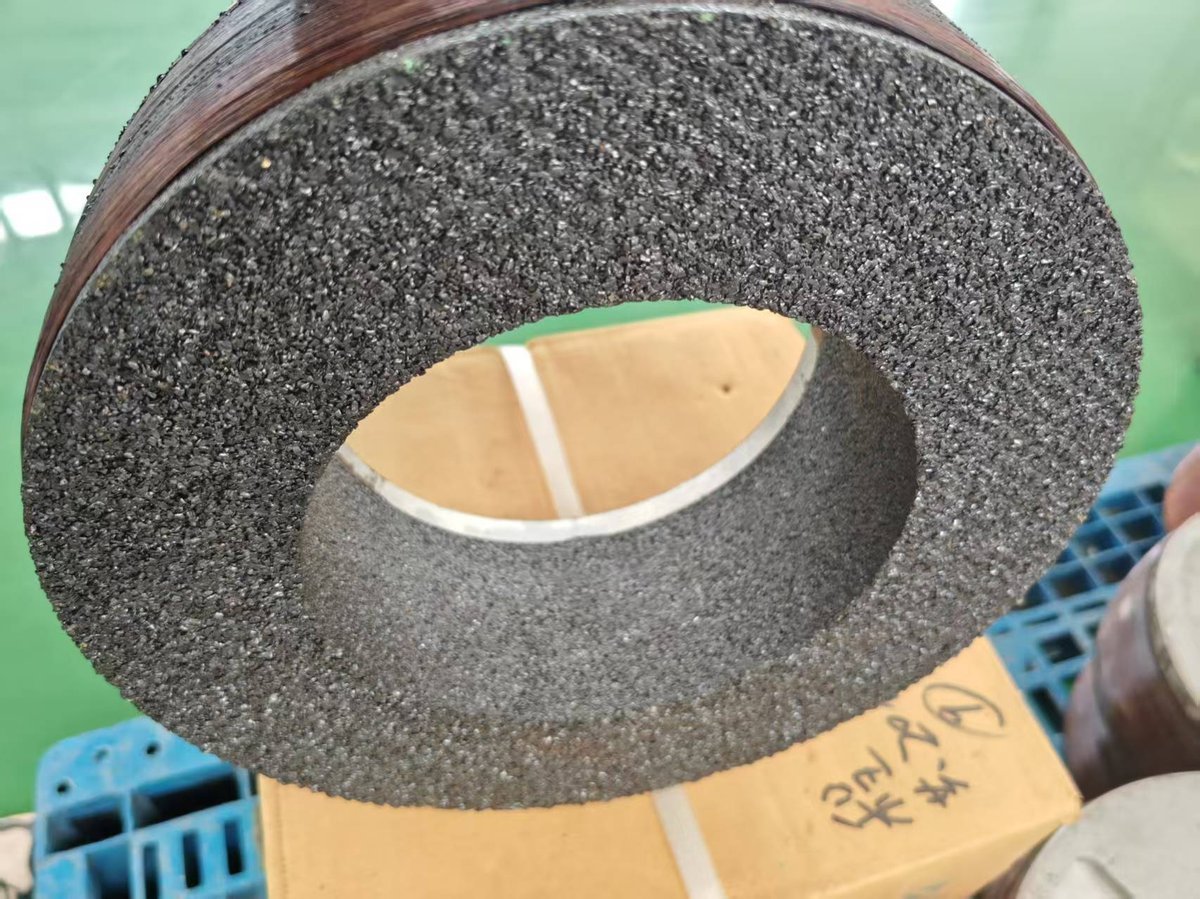
Service life depends not only on wear rate but also on structural integrity: the wheel has to hold its shape and avoid the failure modes that end a campaign early - cracking, delamination or uneven wear.
Rather than quote a single test table, here is what our own records show across the programmes described above:
- Structural failures in service: none recorded across the field programmes listed above, including the half-car comparison on a GMC-96X train and the heavy-haul campaigns on the Yiyang and Shuohuang lines
- Rotary safety testing: passed at 6,354 r/min without fracture
- Life against specification: the G1 test outline requires ≥100 pass-km per wheel; high-speed field work has measured 214.22 pass-km average per wheel
A domestic wheel that is meant to be interchangeable with an imported one has to be as safe, not merely as cheap - which is why burst and balance testing, not price, is the first thing to verify in a specification.
The Molaton Import Substitution Case: Nanning Railway Bureau
One of the most compelling import substitution cases comes from the Nanning Railway Bureau, which previously relied exclusively on imported railway grinder wheel products for its high-speed line maintenance. The bureau partnered with Molaton in a joint development program to create a domestic alternative that would meet all operational requirements:
- Formulation work: four candidate formulations tested side by side on the same machine - L-1 (20 mm wear), D-3 (22 mm), L-3 (25.5 mm) and L-2 (30 mm) over a full 18.72 pass-km night possession
- Laboratory validation: simulated grinding on a CNC machine at 7 km/h workpiece speed, 8 kW and 2,400 rpm
- Field trial: GMC-96X trial at Guilin Ertang (November 2022) and a half-car comparison at Napu on the Nanqin line (December 2022), 48 wheels per side
- Result: about 1.5× the durability of the imported wheel in the half-car test, and close to twice the wear resistance in the first trial (20-30 mm against 43.5-59 mm consumption), with comparable grinding quality
- Cost position: domestic supply at a materially lower price per wheel than the imported product it replaced
The Nanning case demonstrates that structured import substitution, backed by proper testing protocols, can deliver equivalent performance at significantly reduced cost.
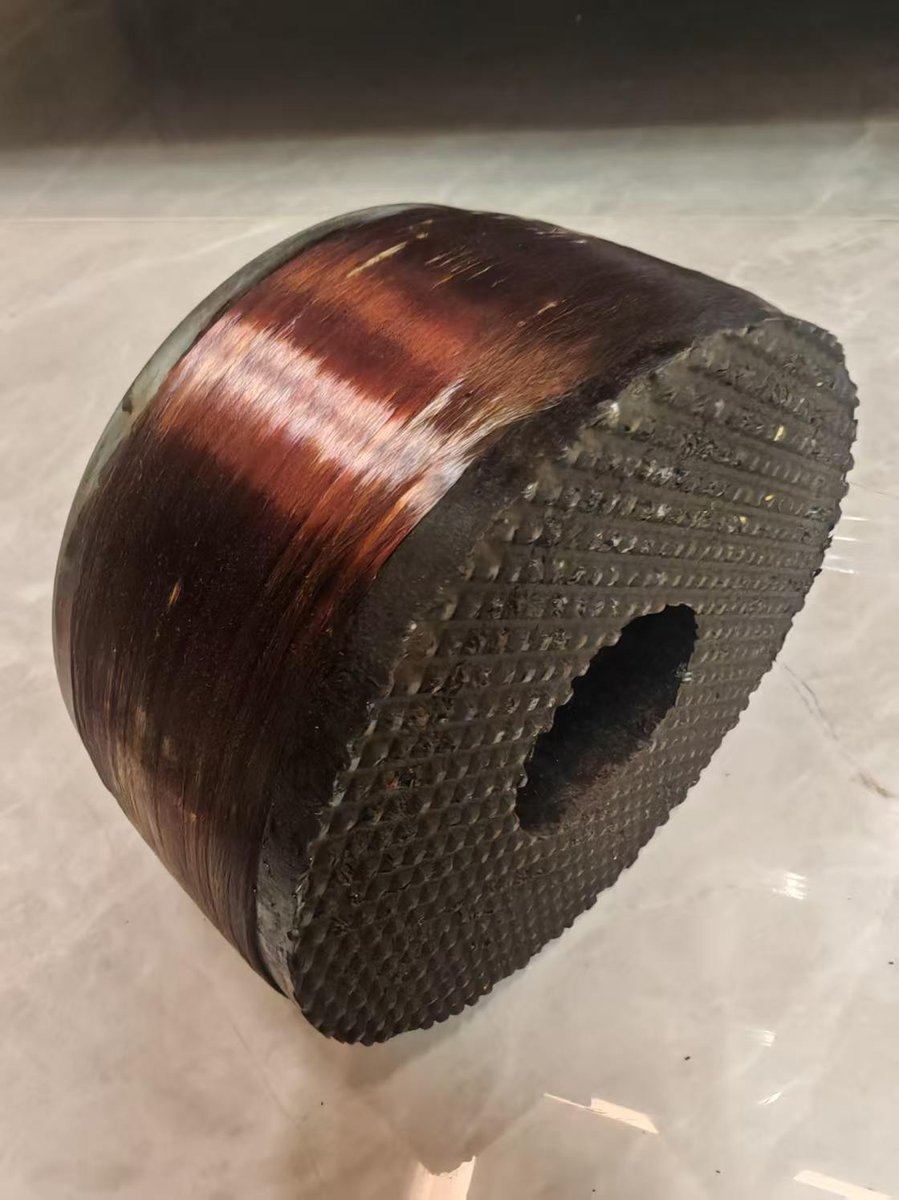
Batch-to-Batch Consistency: The Often-Overlooked Advantage of Modern Domestic Manufacturing
Historically, the weakest point of domestic railway grinder wheel products was batch-to-batch consistency — one batch might perform well, the next batch might show significant variation. This is no longer the case for top-tier manufacturers. Molaton's ISO 9001-certified production system includes:
- SPC process control: Real-time monitoring of pressing temperature, pressure, and curing time
- 100% hardness testing: Every wheel measured before shipping
- Full traceability: Batch number, raw material lot, and production date on every wheel
Making the Decision: Import vs Domestic Railway Grinder Wheel Selection Framework
The data consistently shows that for Loram, Harsco, Speno, Geismar, and Robel grinding equipment, top-tier domestic railway grinder wheel products match imported alternatives across all five performance indicators — while delivering 30–50% cost savings. The decision framework is straightforward:
If your procurement policy requires multi-year global supply agreements or brand-name-only specifications, you may be locked into imported products. But if your primary decision criteria are performance, cost, and service, domestic wheels deserve serious consideration.
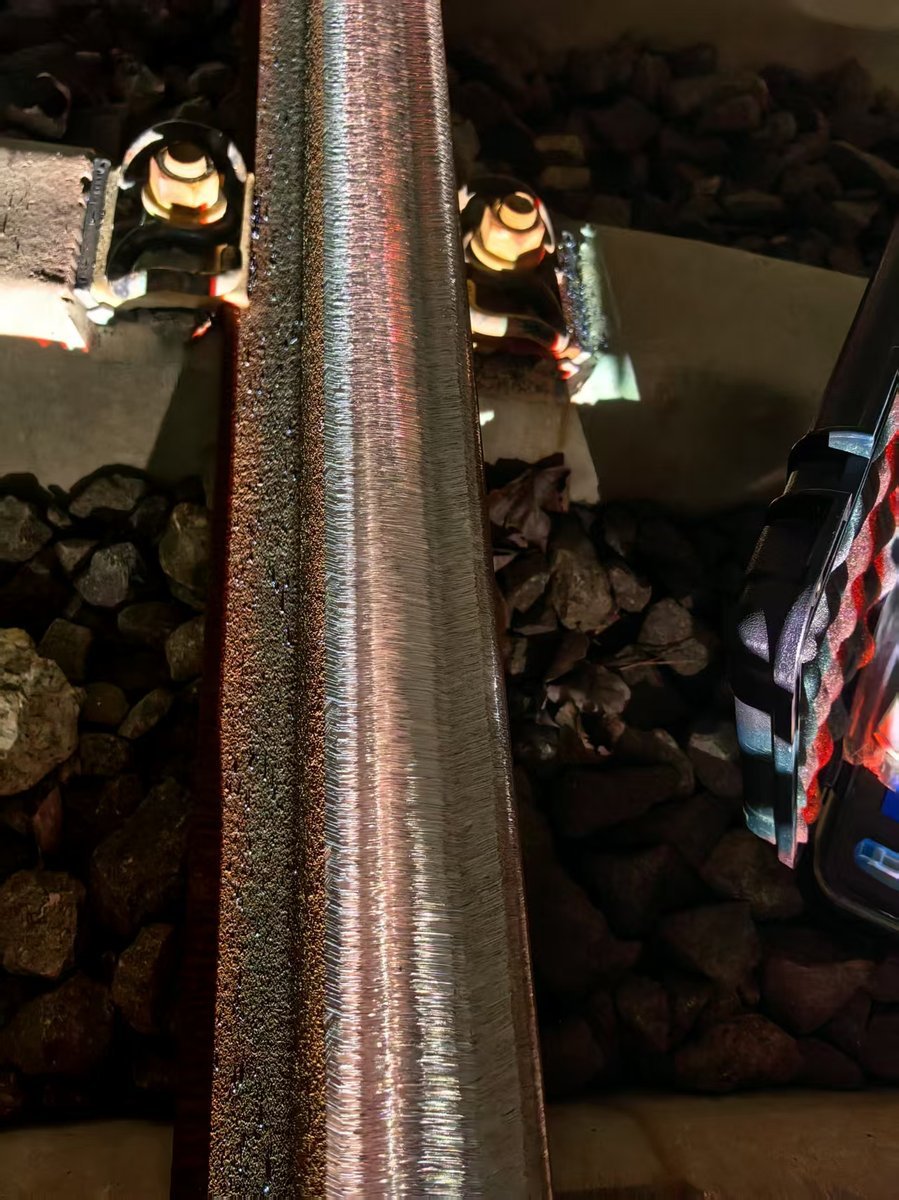
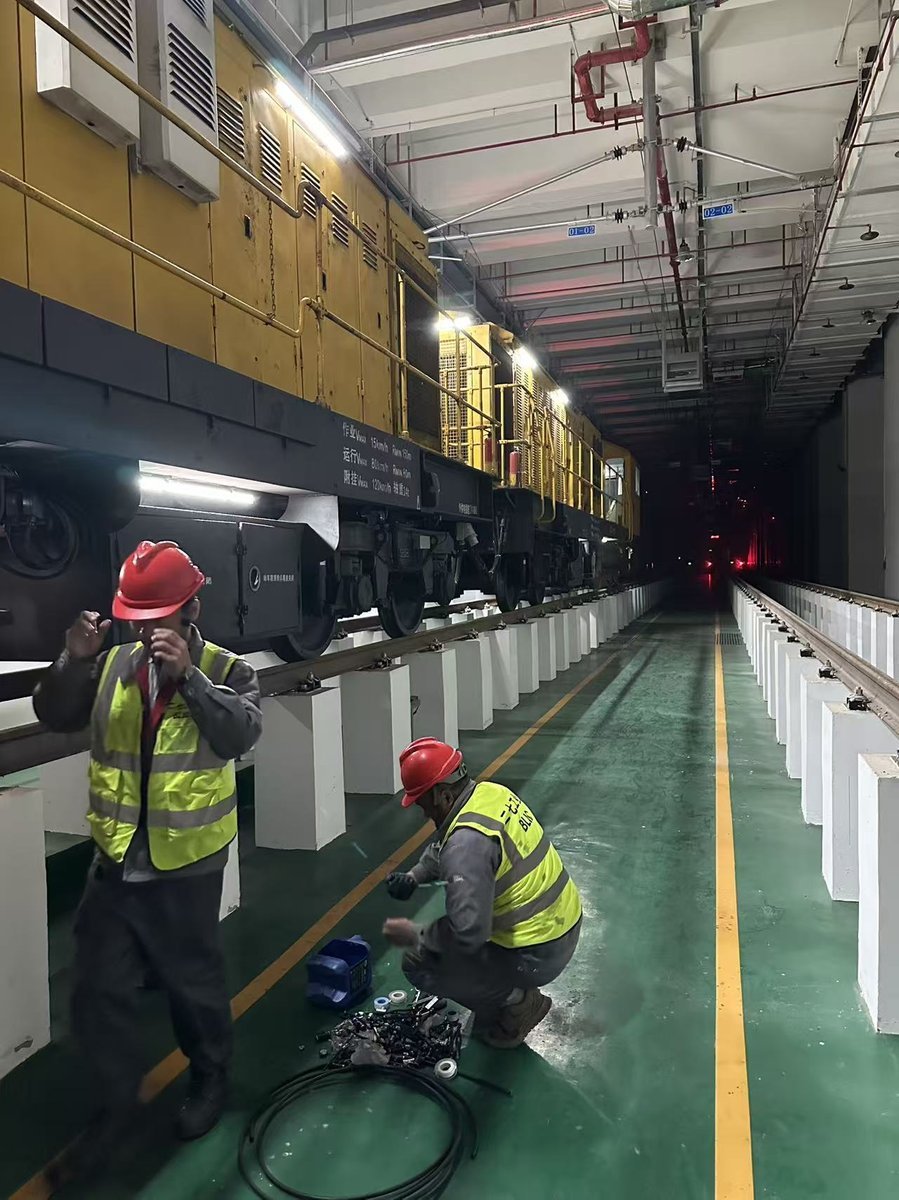
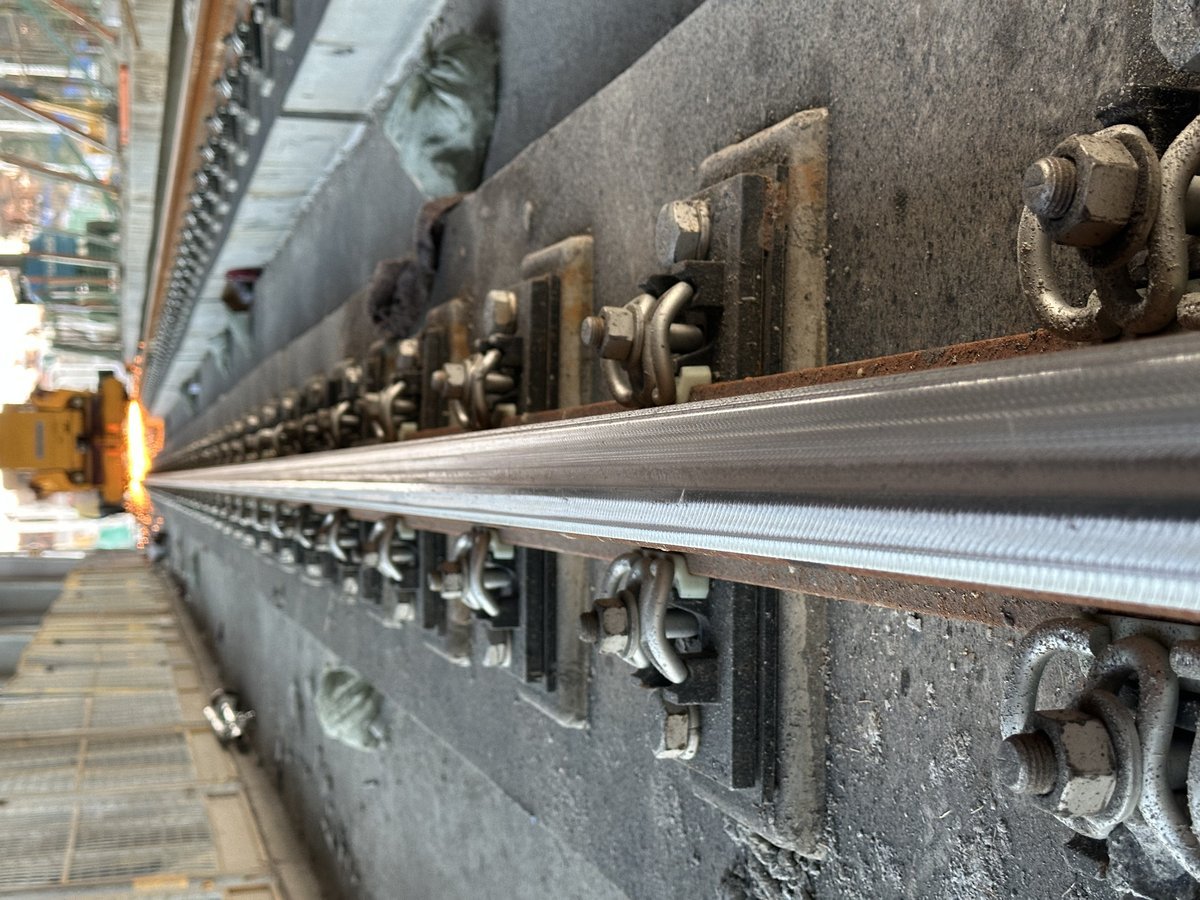
Additional Field Images: Molaton Railway Grinder Wheel in Action
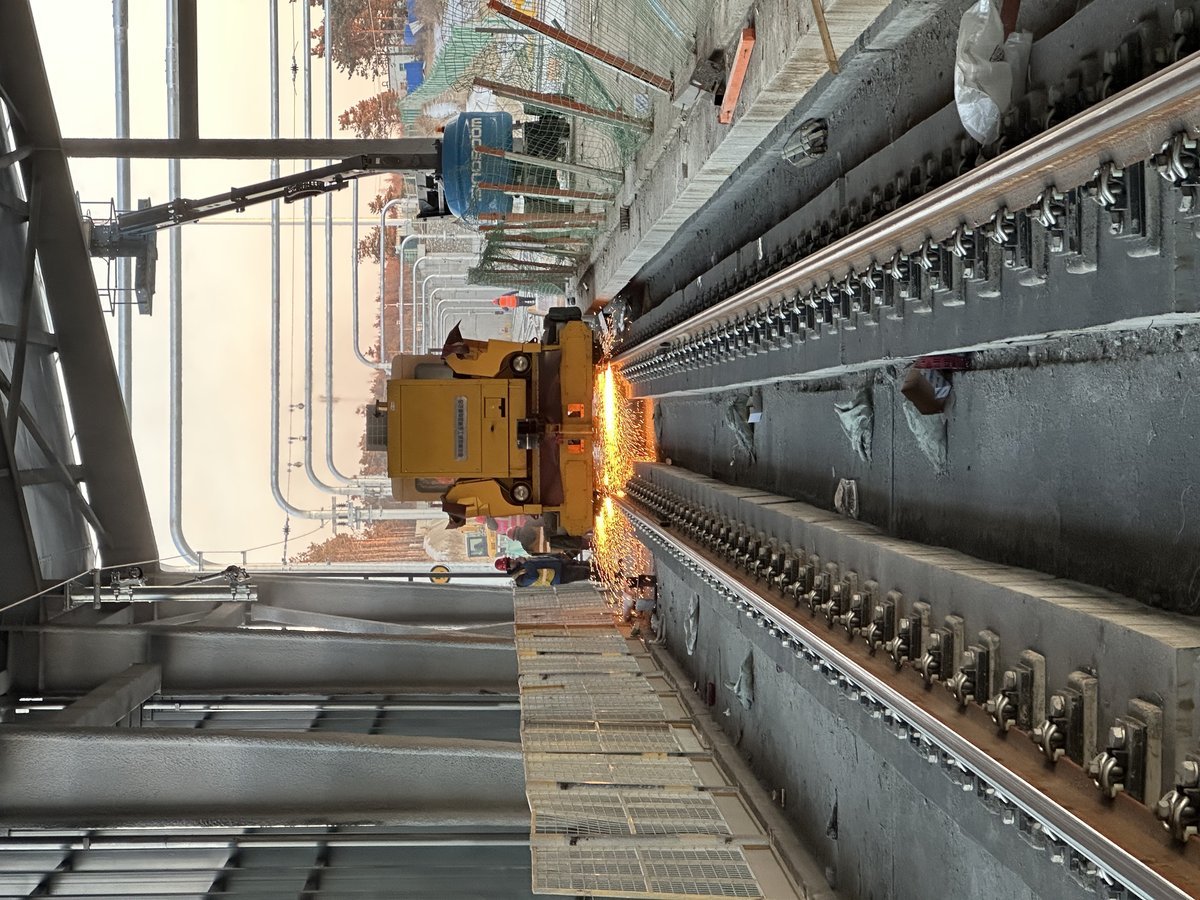
Additional photographs from Molaton's railway grinder wheel field operations and manufacturing, providing more visual evidence of product quality and grinding performance.
FAQ
Are domestic railway grinder wheels as good as imported ones?
On the programmes we have measured, yes — provided the domestic wheel is specified to the same abrasive and bond system. On a GMC-96X grinding train, 48 Molaton wheels were fitted on one side and 48 imported wheels on the other and the campaign was run normally: the domestic wheels showed roughly 1.5 times the durability of the imported product with comparable grinding quality, no end-face cracks and visibly less fume. What decides the outcome is the specification, not the country of manufacture — which is exactly why we publish a like-for-like comparison in Molaton vs Norton railway grinder wheel for Loram.
Which five indicators should be used to compare railway grinder wheels?
Wear resistance (pass-km per millimetre of diameter loss), grinding efficiency (material removal rate under stated parameters), surface quality (post-grind Ra), service life including structural integrity, and batch-to-batch consistency. Of the five, consistency is the most operationally important and the least often tested: a wheel that is excellent on average but variable between batches will still cause head imbalance and rework on site.
What does a railway grinder wheel actually cost per kilometre of grinding?
The invoice price is only the first term. The number that governs budget is cost per kilometre of finished rail, which combines wheel price with pass-km per millimetre of wear, the number of passes needed to reach the target profile, and the possession time each pass consumes. Our breakdown of that arithmetic is in rail grinding cost per kilometer.
Do domestic railway grinder wheels fit Loram, Harsco, Speno and Geismar machines?
Yes, as long as the wheel is dimensioned and formulated for the machine family rather than treated as a commodity. Motor power, spindle speed, grinding pressure and feed rate differ between vehicles, and the same formulation will behave differently on each. Molaton builds to the vehicle, not to a generic catalogue entry — the reasoning is set out in engineered for your grinding vehicle, and the machine families we cover are listed in our rail grinding machine manufacturer directory.
How do I run a fair trial of a domestic railway grinder wheel?
Run both products in the same campaign on the same machine, in the same possession window, and measure the same four things: pass-km ground, millimetres of diameter consumed, post-grind Ra, and whether any continuous blue band appears. A half-machine split (one side domestic, one side incumbent) controls for weather, rail grade and operator behaviour in a way that sequential trials cannot. Molaton supplies benchmark testing against your current wheel for exactly this purpose.
Evaluate Import Substitution for Your Fleet
Molaton offers free benchmark testing against your current imported railway grinder wheel. Contact us to start the evaluation.
Start Your Import Substitution Evaluation →WhatsApp: +86 15072332788 | Email: simon.wang@railwaycare.com