
Safe Tracks Proven by China
PRODUCTS
Precision rail grinding wheels and maintenance equipment.
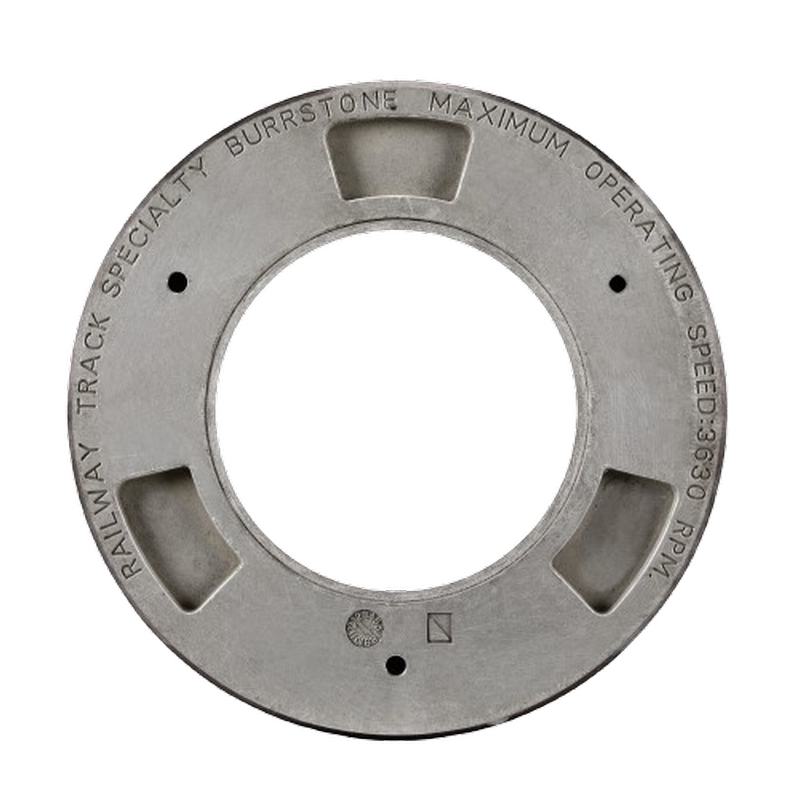 Railway Grinder WheelPrecision grinding wheels for Harsco, Loram and Speno.
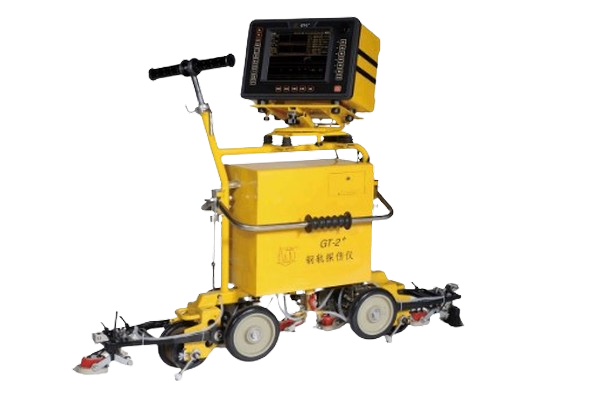 Railway Inspection ToolsUltrasonic flaw detection and track geometry inspection.
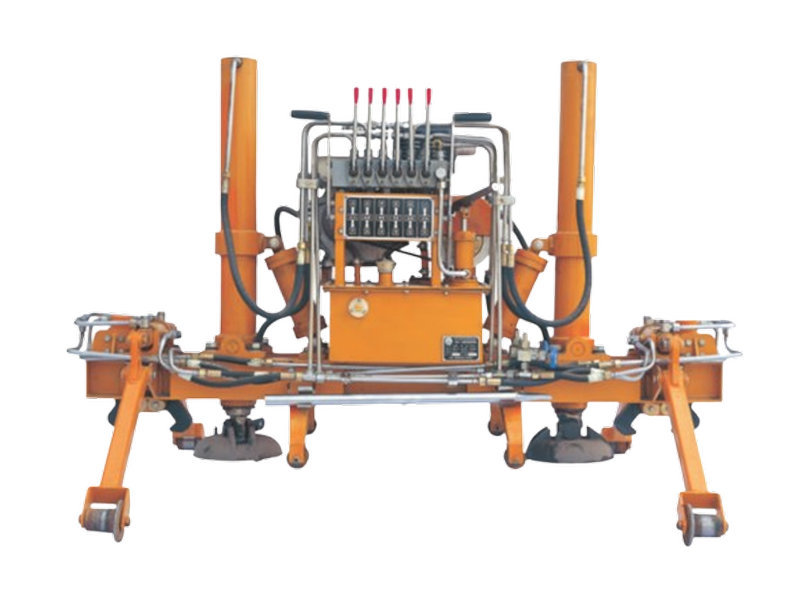 Railway Maintenance ToolsTrack stabilization, replacement and welding systems.
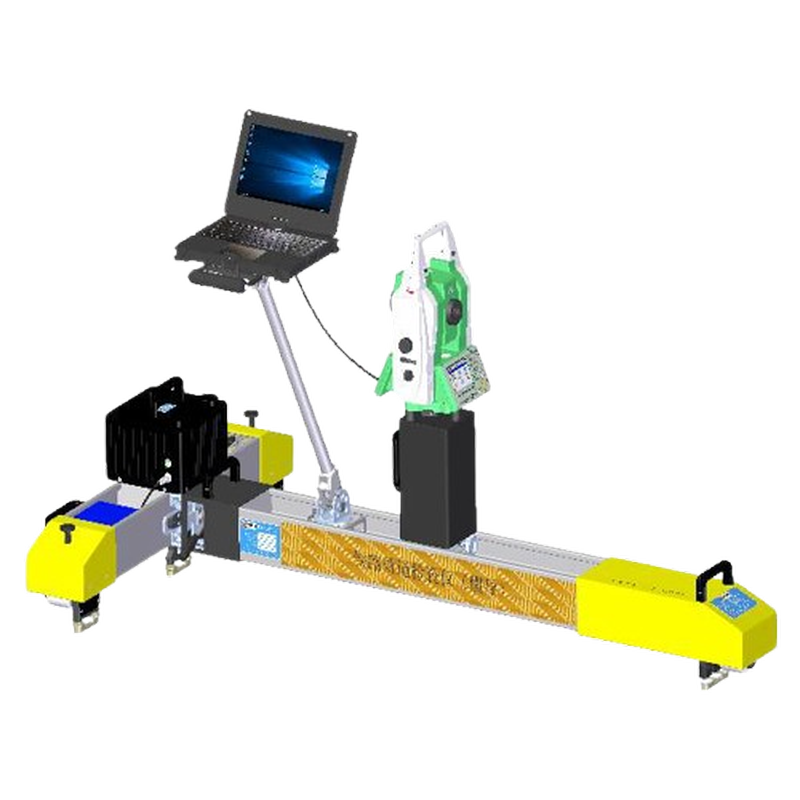 Track Geometry Measurement ToolsPrecise track geometry measurement instruments.
 Rail Condition Inspection ToolsRail surface and frog wear measurement gauges.
How do you prioritise which track sections get ground first?
How do you prioritise which track sections get ground first?
Rank by time to the threshold, not by size. For each candidate section, take the distance the defect still has to travel before it has to be ground, and divide it by the rate at which that defect is measurably developing at the points that will fail first; the smallest quotient goes first. Then let consequence override the arithmetic in the few places where being late is not repaid by an extra pass — turnout areas and the tightest curves, where the fallback is a speed restriction or a rail change rather than another visit. Kilometres per section, and "worst condition first", both produce a queue that is easy to defend in a meeting and wrong on the track.
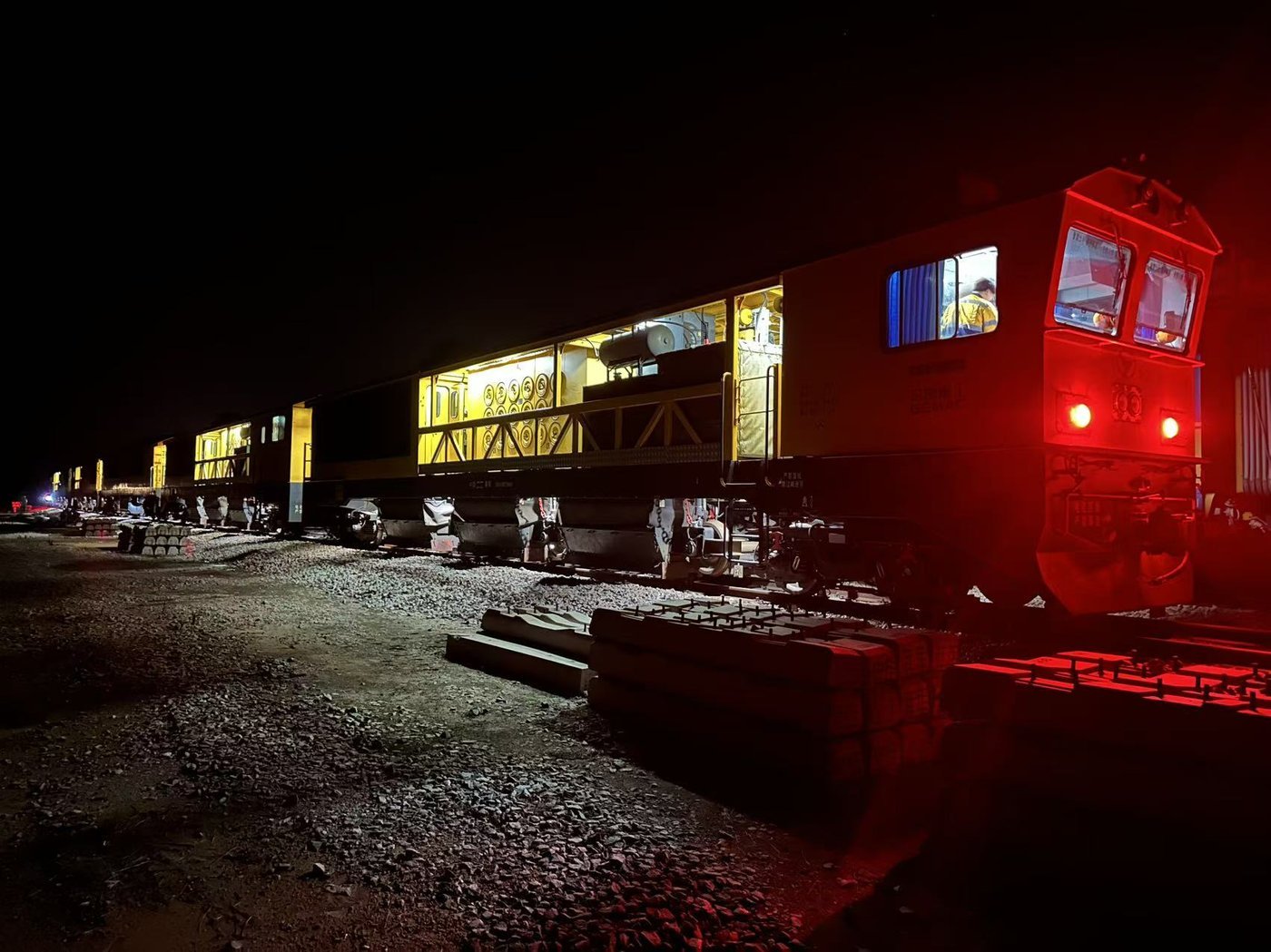
Severity is a stock, priority is a flow
Depth and amplitude describe what has accumulated. The rate describes what will accumulate before the next window can be opened. Those are different quantities, and only the second one belongs in a queue. Two sections can read identically on the same afternoon and still be different jobs: one has been stable at that reading for several cycles, the other reached it since the last visit. Sorting by condition ranks the stock, and the window being allocated is about the flow. This is the single most common reason a well-run programme still arrives late at a section it had already measured and already ranked.
The rate also has to be measured rather than assumed. Measuring it means the same fixed points compared across two visits — the technique itself is a separate subject, covered in how rail wear is measured and when that decides grinding or replacement, and this answer does not restate it. Traffic is the driver of the rate, not evidence of it. It enters the ranking as a weight on sections whose rate you have, never as a substitute for sections whose rate you have not.
| Dimension | What it has to describe | Where the number comes from | The proxy usually substituted instead | What the proxy does to the order |
|---|---|---|---|---|
| Development rate | How fast the defect is growing at the points that will reach the limit first | The same fixed points, compared across two visits, in the unit your interval is written in | "How bad it looks now" | Puts the deepest but stable section at the front, and leaves the shallow fast-developing one for the visit after the one it will fail before |
| Traffic | The loading that drives the rate on that section | Tonnage where duty is heavy; wheel passes and axle load where it is not | Network-wide annual tonnage applied to every section | Every section inherits one average, so a lightly used siding and a loaded curve move up and down the list together |
| Consequence | What being late actually costs at that location | The fallback for that defect there — another pass, a speed restriction, a rail change | Length of the section, or defect depth | The longest section outranks the turnout carrying the same traffic, and the cheap fallbacks crowd out the expensive one |
Consequence is deliberately not a score to be added to the other two. It is a gate. Arithmetic decides the order of ordinary sections; consequence decides which sections may not be overtaken by arithmetic at all. Mixing the two into one weighted total is what produces a ranking that nobody can explain to the engineer who has to work it.
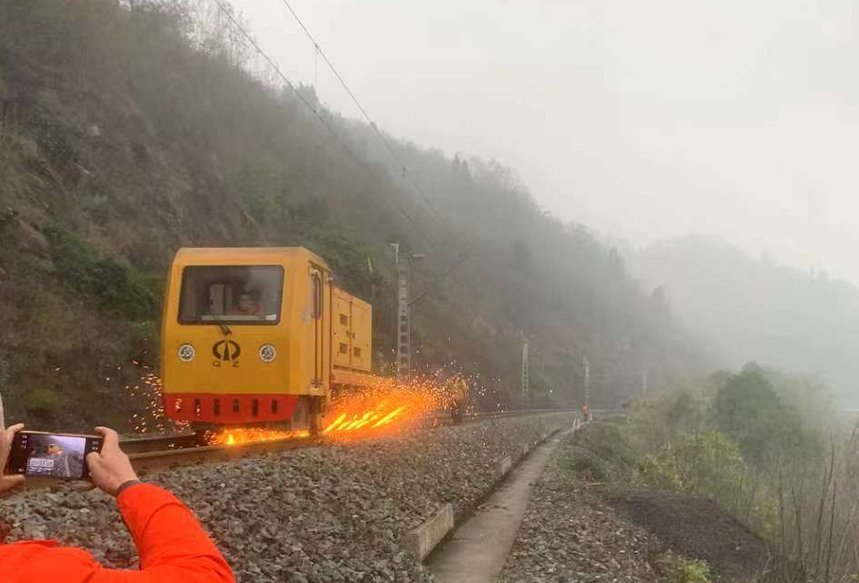
Where the queue normally settles, and why
Tight curves and turnout areas come out near the front of almost every honest ranking, and they get there for two different reasons — one on rate, one on consequence. On the unballasted side of the network, curves below about 1,000 m radius are where side wear and corrugation concentrate, because the gauge corner is doing work the rest of the head is not. In a single curve of 800 m radius ground in six passes, the steel taken at the maximum was 1.8 mm on one side of the head against 0.3 mm on the other. That asymmetry has a direct consequence for how the list is built: ranking at the level of the section hides the fact that one side of that section is the whole problem. The unit of ranking is section, rail and defect type — not the section alone.
Turnouts sort to the front on the second dimension instead. The contact is concentrated onto a fixed geometry with very little room to move, the tolerance on where the contact band should sit is tight — the turnout grinding reference puts it at 25–30 mm for high-speed work and 35–40 mm for conventional and heavy-haul work — and the possession is measured in minutes rather than hours. A defect there is not usually cosmetic, it reads as dynamic response, and the intervention window is short enough that being a cycle late can remove the possibility of doing it by grinding at all.
| Section class | What drives the rate there | What being late costs | Where it usually sorts |
|---|---|---|---|
| Curves below roughly 1,000 m radius | Side wear and corrugation concentrate on the gauge corner; the rate is geometry-driven and largely independent of how the section looks from a distance | The fix migrates from profile work to profile restoration, and eventually to replacement of one rail in the curve | Front, on rate |
| Turnout areas | Contact is forced onto a fixed geometry with a narrow acceptable contact band | Dynamic response rather than a visible defect, on a possession measured in minutes | Front, on consequence |
| Heavy-haul plain line | High tonnage against a straight section, so the rate is moderate but relentless; squats and lip build rather than side wear | Closure cost on a line that cannot easily be spared, and a defect that travels with the wheel path | Middle, and this is the block that gets cut first when money is short |
| Yards, sidings and low-speed terminal track | Low traffic, but corrosion and lip accumulate where wheels stand and slip | Ride quality and noise at the platform end, rarely a safety consequence | Last, and correctly so, provided the fallback is genuinely cheap |
The ordering is stable in shape from network to network and completely unstable in detail, which is why a static list is a liability. The rates that produced this year's order were measured before the pass that changed them: grinding alters the very profile that was generating the rate, traffic mix shifts, lubrication practice changes, and a section that was front-ranked can become ordinary within a cycle. Re-ranking is not a review of last year's decision, it is the decision.
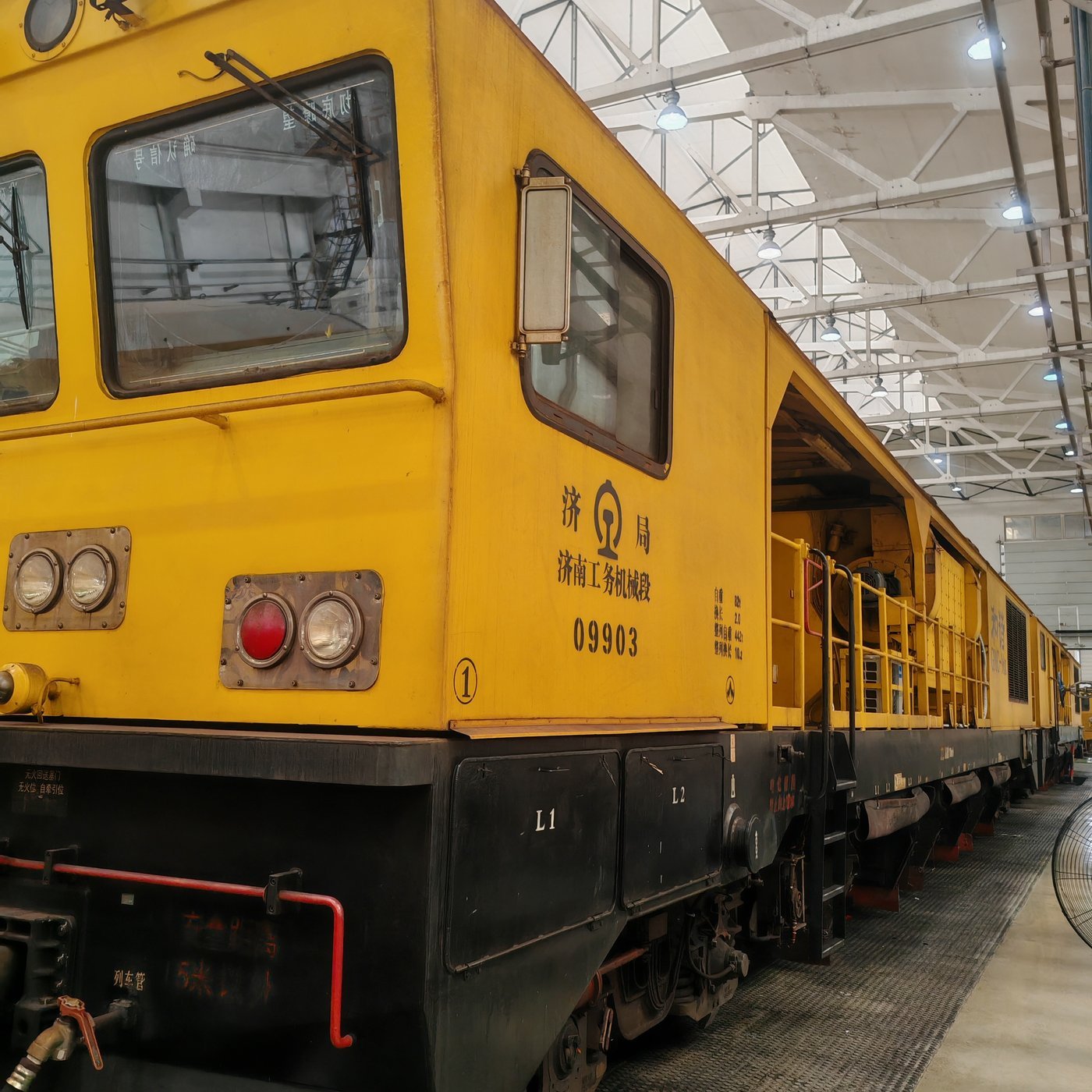
When the money does not reach the end of the list
| What to do | Why it is the better use of a short budget | The alternative that looks cheaper and is not |
|---|---|---|
| Close whole sections at the front of the queue, and leave the tail untouched until the next round | A section ground to its planned depth comes inside the envelope and its clock starts again. A section given a fraction of its planned depth does neither — it stays above the threshold and stays on the list | Shaving a pass off every section on the list. The budget is spent in full and not one section leaves the queue, which is the most expensive possible outcome |
| Decide finishability before entering the section, and only start what the window can complete | Depth per pass multiplied by the passes the window allows is either enough to reach the plan or it is not. A pass abandoned part-way leaves a transition in the middle of the section that the next campaign inherits | Entering every front-ranked section for a first pass and returning for the rest — the return trip is a new mobilisation for a section that had already been paid for once |
| Re-rank before the next window rather than at the next budget | The order is a forecast, and every pass updates the inputs to it. A mid-year re-rank costs a meeting; a mid-year re-rank done late costs a section | Carrying the agreed list through the year because it was agreed, and discovering the error at acceptance |
The budget that constrains all of this is built on quantity rather than on price — the reasoning behind what drives the cost per kilometre is where the pass-kilometre basis comes from, and the queue is only as good as the acceptance test that closes each section: the criteria that decide whether a job passed is what converts a finished section into a closed one. Two further references belong with this question rather than in it: the curve-specific case for managing side wear on curved track, and the service side of turnout work in turnout grinding. The interval that sets how long the queue may wait is set from tonnage and measured condition, and the measurements themselves only count if they are kept — the records a programme has to keep is what makes next cycle's ranking possible. Grinding prioritisation is a scheduling discipline, and a Molaton wheel cannot rank anything for you. What it can do is keep a section's removal per pass predictable enough that a queue built on pass counts stays valid when the campaign reaches the last section on it — which is the only part of the list that ever gets tested.
Related questions you may also ask
Rail wear measurement: how to measure it and when to grind or replace Rail grinding on curves: managing side wear What does rail grinding cost per kilometre, and what drives it? What acceptance criteria decide whether a grinding job passed? How is a rail grinding interval set by tonnage? What records should a rail grinding programme keep? Rail turnout grinding solutions More answers on rail grinding strategy and equipmentRanking a network you cannot afford to finish?
Send RailwayCare the sections on your candidate list, the readings you hold at fixed points from the previous visit, and the tonnage or wheel passes for each. We will set out what the development rates imply for order, which sections are finishable inside the possessions you can buy, and which Molaton wheel keeps removal per pass stable enough for the ranking to hold to the end of the list.
Rank My Sections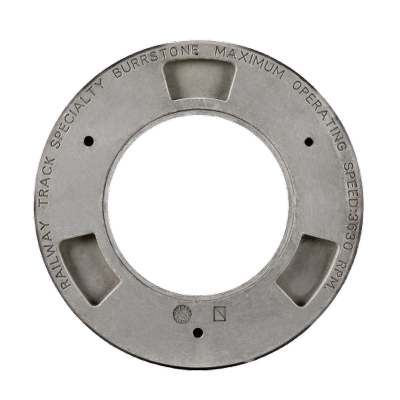
Are you looking for a reliable manufacturer of railway grinding and track maintenance equipment?
We can quickly provide customers with market analysis, technical support and customized services.Safe Tracks Proven by China
- Name
- Phone
- *Title
- *Content