Which rail grinding and maintenance solutions does RailwayCare supply?
Which rail grinding and maintenance solutions does RailwayCare supply?
Four parts that only make sense together: the grinding wheels that actually touch the rail, the grinders that reach where a long machine cannot, the grinding vehicles and trains that give throughput, and the inspection that turns a job into a signed record. RailwayCare supplies any one of them on its own, but a programme needs all four in the right order. This page is an index of what each part decides; the specifications of each part live in their own sections and are deliberately not repeated here.
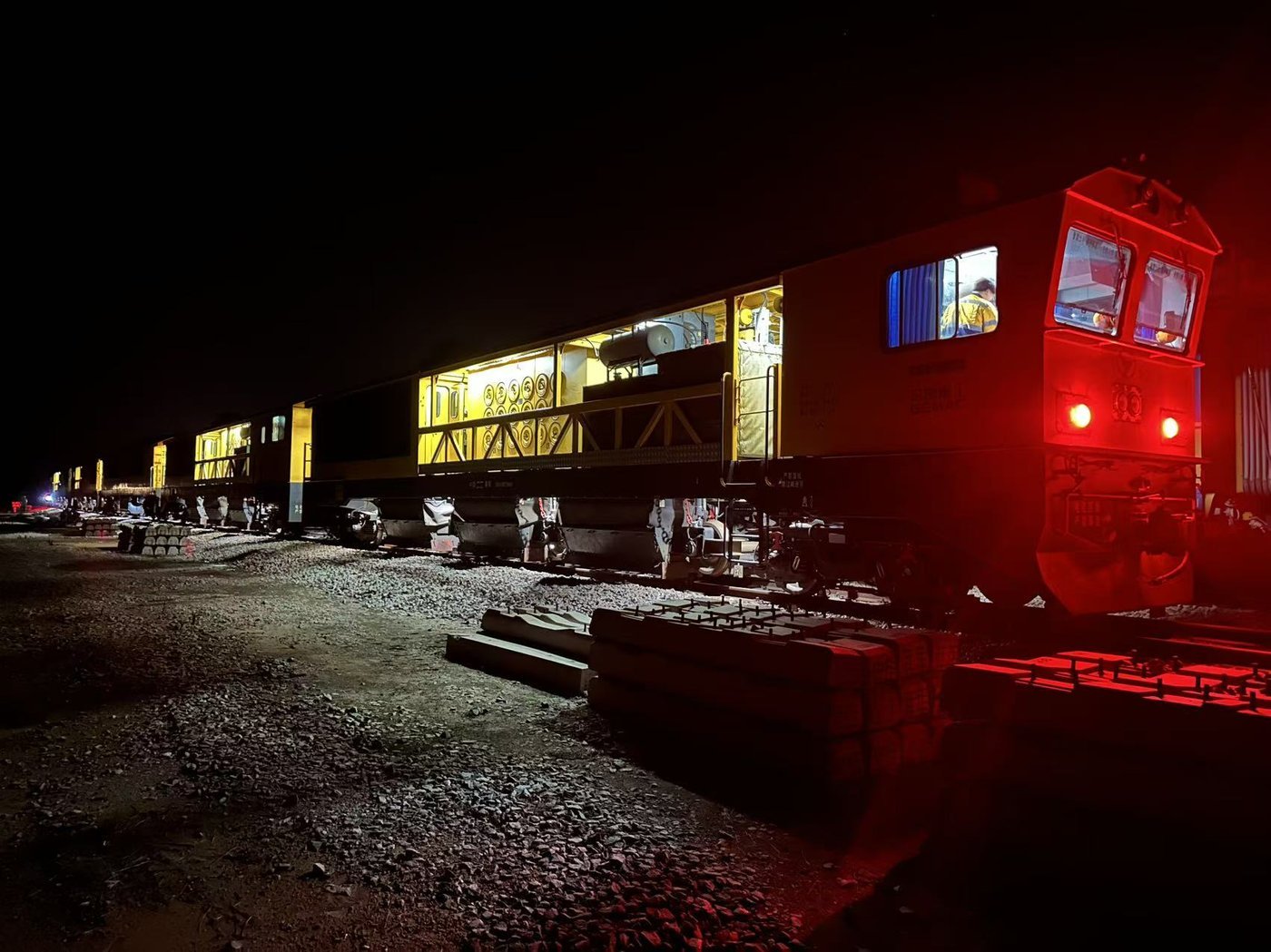
The four parts, and the decision each one settles
| Part of the programme | What it is, in one sentence | The decision it settles in your plan | Where the detail lives |
|---|---|---|---|
| Grinding wheels | The only part of the chain that actually touches the rail; everything else positions it. | How much metal one pass can take at your working speed, and therefore how many passes a campaign needs. | Wheel range by machine and rail type |
| Grinders | Portable and on-track machines that reach what a long machine cannot: turnouts, crossings, weld and weld-adjacent zones, isolated defects. | Who does the last few tens of metres, and inside which minutes of the possession. | Grinder range |
| Grinding vehicles and trains | Throughput: how much line one possession can take down to a set depth. | Whether the interval your tonnage demands is physically deliverable inside your windows. | Grinding vehicle range |
| Inspection and acceptance | Turns a grinding job into a record: geometry, surface, depth, before and after. | Whether the campaign can be evidenced, and therefore whether it counts as life bought. | Inspection tools and the acceptance criteria |
Notice that none of the four rows is a product feature. Each is a decision that someone has to take before a machine is booked, and each one belongs to a different person in a different department in most organisations. The value of buying them from one place is not a discount; it is that the four decisions are written to fit each other.
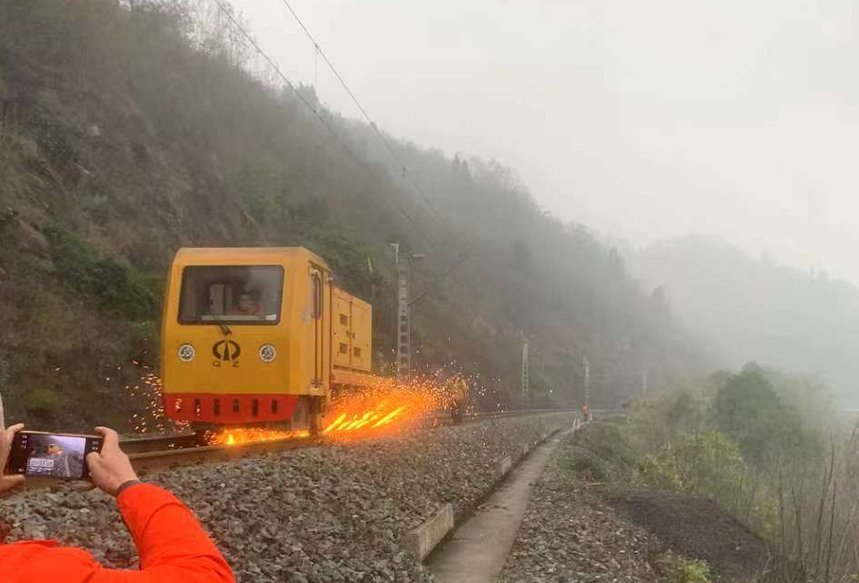
Six lines that turn four products into one programme
| Line in the specification | Which part it constrains | What happens when it is missing |
|---|---|---|
| Target profile drawing, with zone tolerances | All four | The machine defines the shape by default, and no part of the chain can be measured against anything |
| Removal per cycle, and the envelope balance | Wheel and vehicle | Depth is set by the defect every single time, and the head's design wear allowance is spent without a plan |
| Duty: depth per pass at the planned working speed | Wheel and machine together | Pass counts rise to compensate, the surface heats instead of being shaped, and blue appears where geometry was wanted |
| Access and reach limits, stated by location type | Grinders, and the vehicle at the boundary | Work stops at the first restricted zone, or worse, is attempted inside it |
| Measurement plan: section, chord, transverse position | Inspection | Two people measure two different things, and both of them are right |
| Evidence pack: measurement files, machine settings, consumable batch | Inspection and consumable | The result exists on the day it was produced and cannot be defended a year later |
Every row here is a sentence you can put in a tender document or a contract schedule, and every row costs nothing to write. The rows that are usually missing are the third and the sixth, and they are the two that decide whether a future argument about a failed campaign can be settled with paper instead of opinion. The commercial version of the same discipline is set out in our answer on grinding contract KPIs.
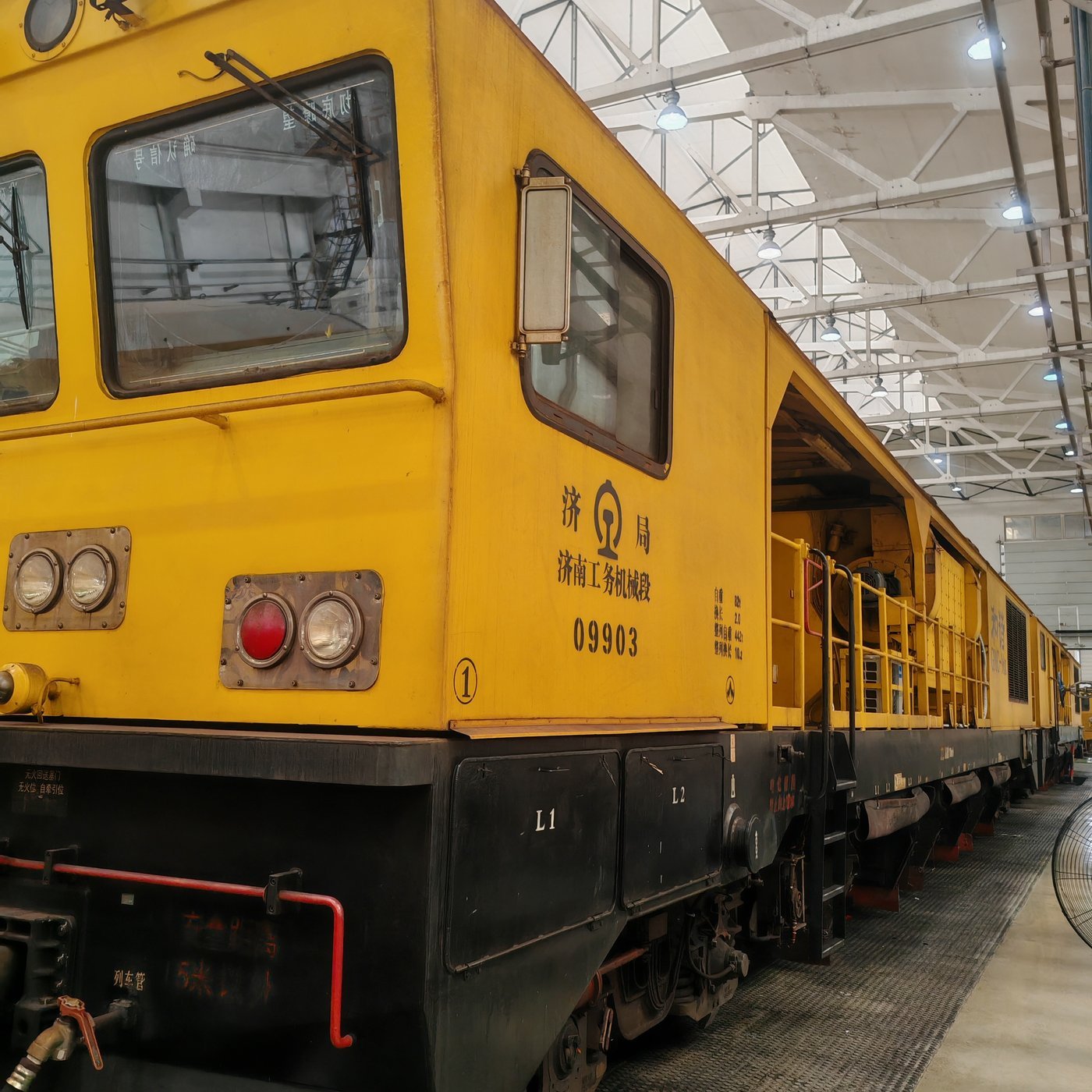
How much of the chain to take
| Your starting point | What we supply in that case | What stays on your side |
|---|---|---|
| You already run machines, and campaigns slip for one reason: the consumable does not deliver the removal the plan assumed | A consumable schedule matched to your machines, your rail grade and your working speed, with batch traceability on every set | The plan, the crew and the acceptance |
| You have vehicles, but the ends of every job keep going undone | Portable machines for turnouts, crossings and weld zones, plus the consumable schedule for them | The possession plan and the access |
| You are building capacity for a defined tonnage programme | Vehicle or train capability sized to the removal per cycle, with the consumable programme behind it | The operating crew and the network access |
| You need the work evidenced, not only delivered | A measurement and acceptance protocol: baseline, thresholds, records pack | Nothing, because the record is the deliverable |
The third row is where most enquiries start and where most disappointment comes from: a machine is bought against a tonnage figure, and the depth per cycle that the tonnage actually requires is never converted into a consumable and pass plan. RailwayCare is a manufacturer first: since 2004 we have made the wheels that do the cutting, we drafted the industry standard JB/T 11431 for them, and the machines and vehicles we supply are specified around the same removal-per-pass arithmetic. That is why a Molaton schedule is quoted per working speed and per rail grade rather than per catalogue number.
Two boundaries are worth stating plainly, because they keep this page honest. First, wheel specifications, abrasives and bonds are documented in the grinding wheel section, machine specifications and comparison between machine types in the grinding machine section, and instrument accuracy in the inspection section; repeating them here would only produce a third version that disagrees with both. Second, the strategy layer, which is what this group covers, is the part that decides whether any of the four is worth buying: who owns the target shape, which depth a cycle may take, and when the next cycle is due. If that layer is missing, the other four are equipment looking for a purpose. The full solution scope, including training and on-site support, is on the rail grinding solution page, and the build-it-in-house alternative is weighed in buy or contract.
Related questions you may also ask
What is the target rail profile, and who defines it? What grinding depth is safe before you over-grind a rail? What is the difference between large-machine and small-machine grinding? What acceptance criteria decide whether a grinding job passed? What rail grinding is, and how a programme is built More answers on rail grinding strategy and equipmentBuilding a programme, or fixing one that keeps slipping?
Tell RailwayCare the line, the rail grade, the tonnage you need to serve, your window length and what the last campaign actually removed. We will set out which of the four parts you already have, which one is the constraint, and what a Molaton consumable schedule plus the matching machine scope would look like against that target shape.
Scope My Programme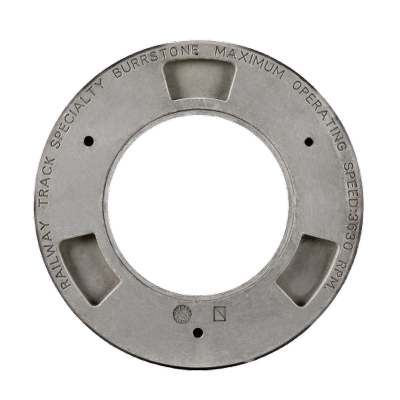
Are you looking for a reliable manufacturer of railway grinding and track maintenance equipment?
We can quickly provide customers with market analysis, technical support and customized services.
Safe Tracks Proven by China
- Name
- Phone
- *Title
- *Content