
Safe Tracks Proven by China
PRODUCTS
Precision rail grinding wheels and maintenance equipment.
 Railway Grinder WheelPrecision grinding wheels for Harsco, Loram and Speno.
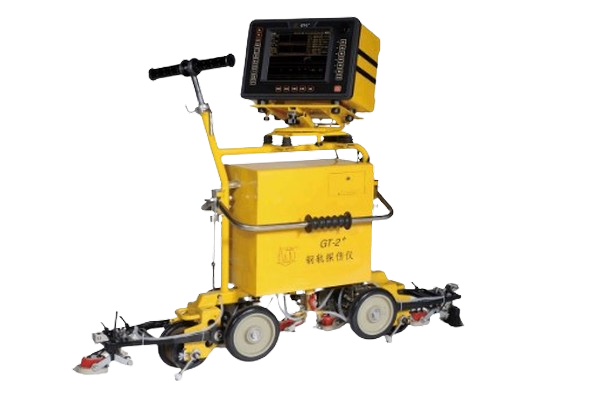 Railway Inspection ToolsUltrasonic flaw detection and track geometry inspection.
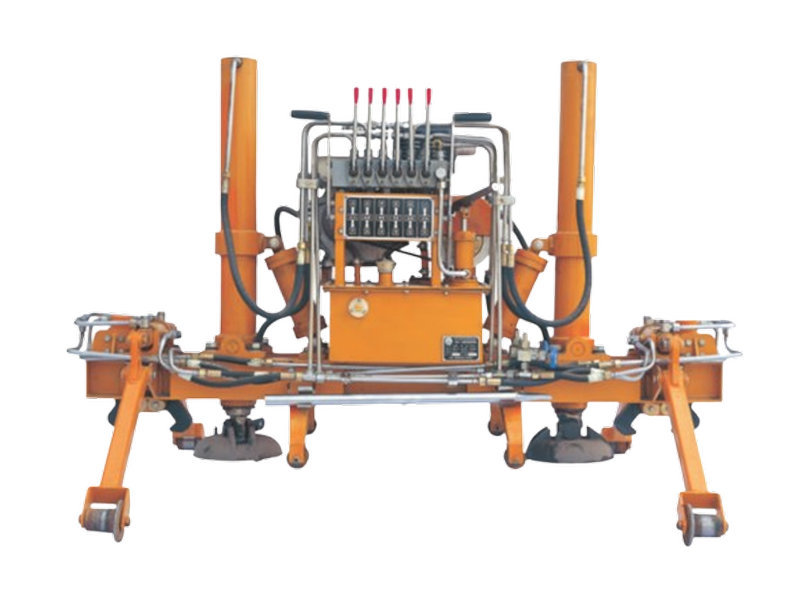 Railway Maintenance ToolsTrack stabilization, replacement and welding systems.
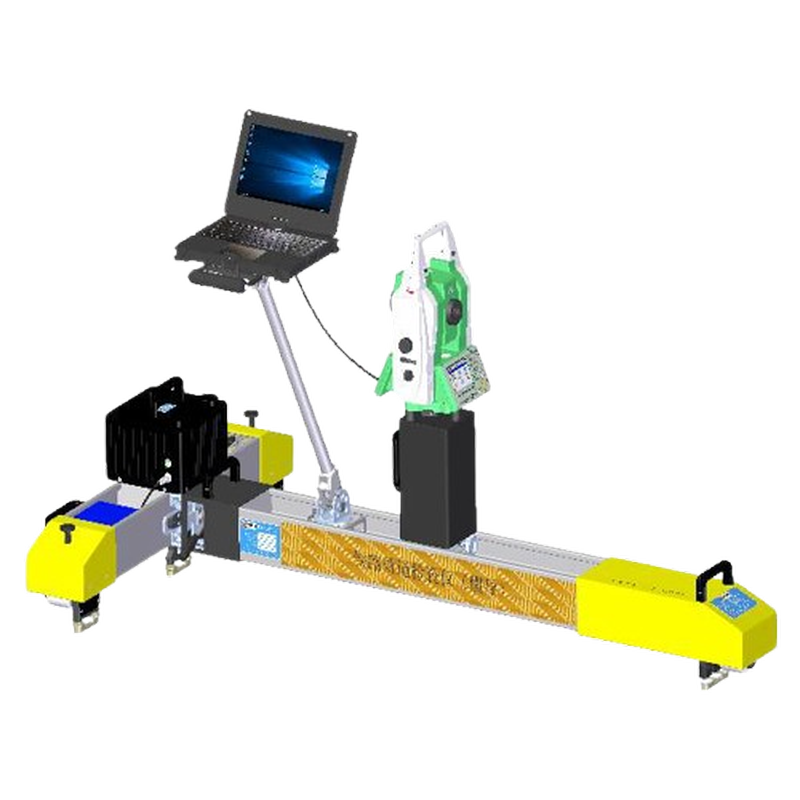 Track Geometry Measurement ToolsPrecise track geometry measurement instruments.
 Rail Condition Inspection ToolsRail surface and frog wear measurement gauges.
Railway Grinding Vehicles: Multi-Head Trains for Main Line and Turnout Work
A grinding vehicle carries several grinding heads on one platform, so a single pass can correct the whole rail cross-section instead of one angle at a time. Head count, motor power and working speed decide what the machine can hold on a real programme.
What head count buys you
More heads mean more angles ground per pass and fewer passes per kilometre. A sixteen-head train splits across two vehicles and can cover main line and turnout work in one machine; a smaller unit trades head count for access to depots and short possessions.
Match the machine to the programme
Work backwards from annual grinding kilometres, the rail sections you run, and whether switches are in scope. Grinding turnouts needs head tilt and traverse; plain-line work rewards speed and removal rate instead.
Who it suits
Infrastructure managers running scheduled preventive programmes, heavy-haul operators fighting corrugation and gauge-corner wear, and metro depots working inside short night windows.
Next step
A vehicle is only as good as its consumables: match it to rail grinding wheels for the head format, or read the rail grinding solution for pass planning.
Railway Grinding Vehicle
| Image | Railway Grinding Vehicle | Model | Description | More |
|---|---|---|---|---|
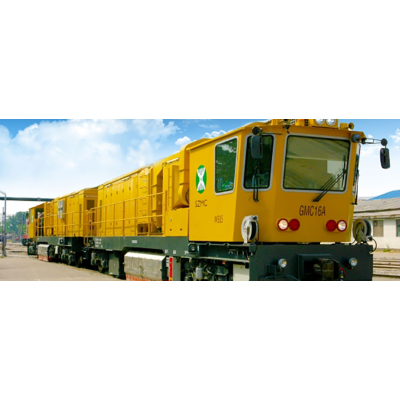 | GMC16A Rail Grinding Train | GMC16A | The GMC16A Rail Grinding Train is designed for both preventive and corrective grinding of tracks and turnouts. |
- Name
- Phone
- *Title
- *Content
Safe Tracks Proven by China
- Name
- Phone
- *Title
- *Content