How do you plan grinding for a metro or light rail network?
How do you plan grinding for a metro or light rail network?
A metro network is not a short mainline. It is a different unit of planning. On a mainline the plan unit is pass-kilometres per shift and the binding constraint is the machine's rate — double the rate and you halve the nights. Underground almost none of that holds. The non-productive part of a night is close to fixed: traction power has to be isolated, the unit has to come out of a depot and go back into one, and the dust and water you can carry is a capacity, not an assumption. None of that shrinks when you plan fewer metres. So the variable you actually control is length, not rate, and a transit plan is written as metres per night multiplied by nights. Everything else becomes a question of which metres. The second thing that changes is the clock. Accumulated tonnage is the mainline clock because damage tracks axle load; underground the axle loads are light but the number of wheel passes through the same curve is large and concentrated in the same few hundred metres, and that repetition — not tonnage — is what drives corrugation and side wear. An interval lifted from a mainline tonnage figure will under-call the curves and over-call the tangent. The third is that one network contains several work faces whose constraints do not resemble each other, so a plan organised by line cannot be executed; a plan organised by work face can.
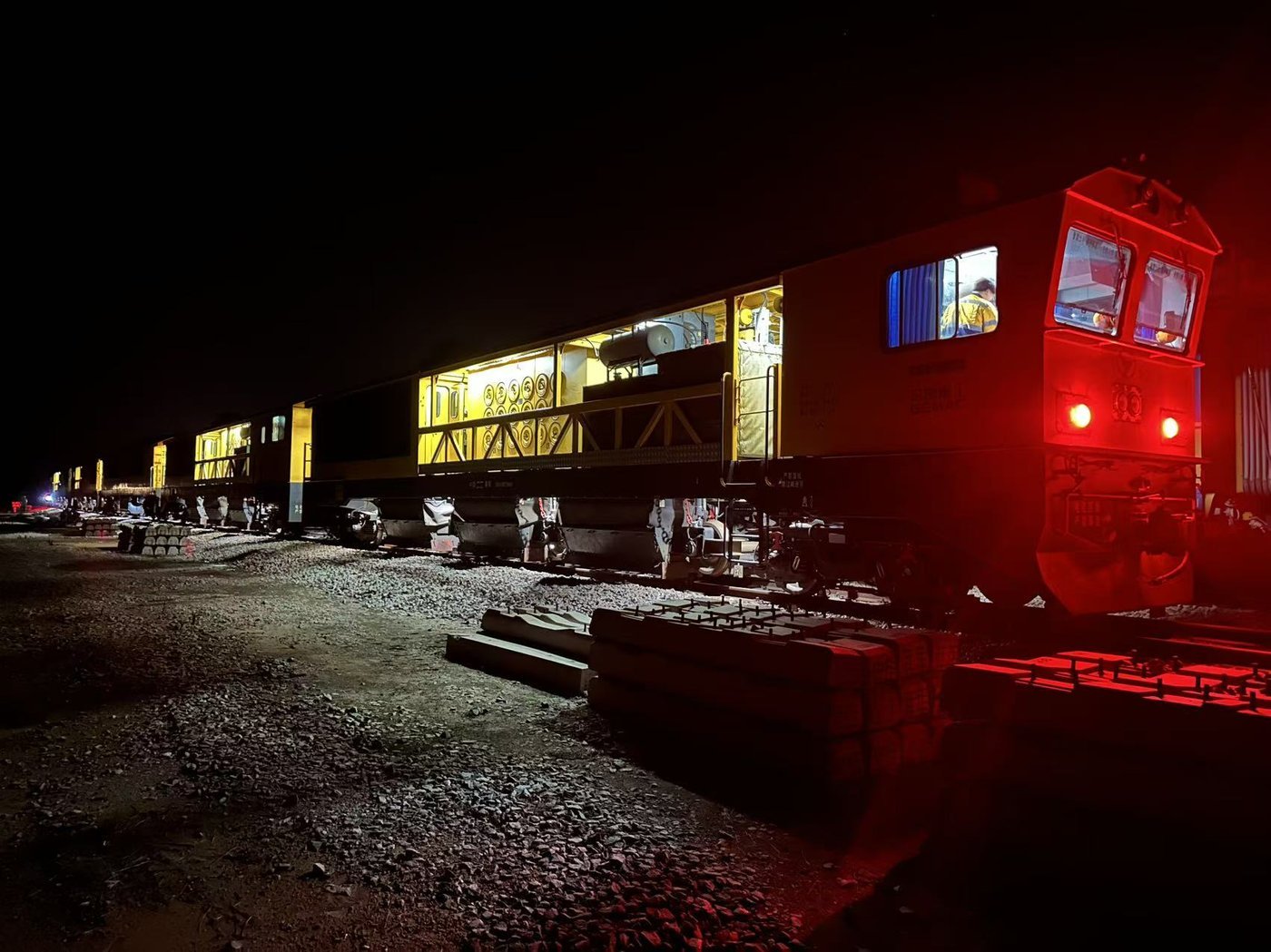
What a transit plan counts, and what it cannot borrow
| Dimension of the plan | How a mainline writes it | How transit has to write it | What goes wrong if the mainline form is copied |
|---|---|---|---|
| Unit of measure | Kilometres, or pass-kilometres, per shift | Metres per night, against a named list of sections | A nightly figure in kilometres reads as a target; the crew either abandons it or rushes the set-ups and leaves sections half ground |
| Time budget | Most of the possession is productive time | A fixed share of the possession goes before the first cut and after the last — and that share does not scale with length | Efficiency is calculated on productive minutes that were never available, and the programme slips every night by the same amount |
| Binding constraint | The machine's removal rate | The window length, and how much dust and water the unit can carry through it | Depth is planned as if capacity were free; the extraction system fills up before the metres are done and the unit has to leave and re-enter |
| Clock for the interval | Accumulated tonnage through the section | Wheel passes through the same curve, held against measured condition — with tonnage only where the duty is genuinely heavy | Curves that corrugate fastest read as low-tonnage and get deferred; tangent that is barely working gets called early. The clock answers a question the track is not asking |
Only the last row is a strategy error rather than an arithmetic one, and it is the one that survives longest, because the tonnage figure is real and defensible on the section it came from. On a network where the duty is light but the passes are dense, the honest move is to treat a tonnage-based interval as one input among several and let measured condition trigger the rest. There is no universal transit interval, and any supplier who offers one is describing a different railway.
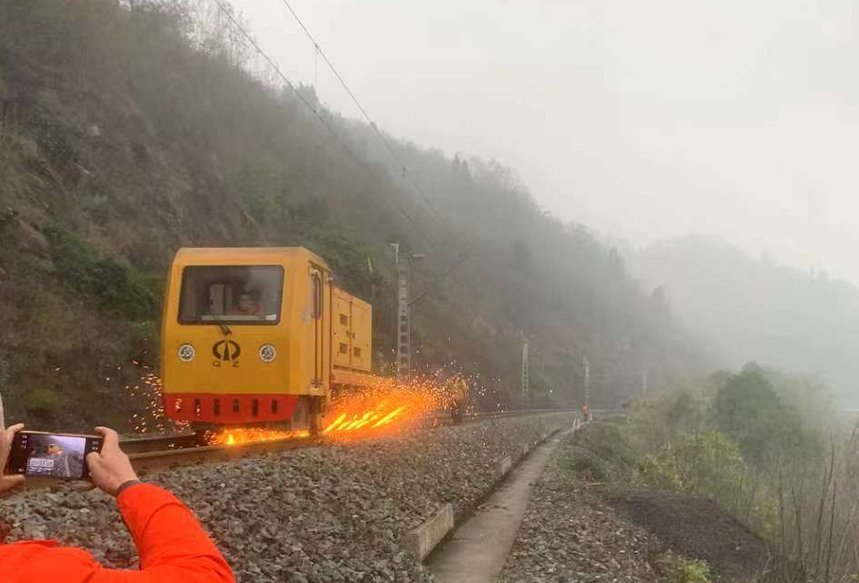
Split the network by work face before splitting it by line
| Work face | What dominates there | What constrains the plan | How the metres get allotted | What class of unit fits |
|---|---|---|---|---|
| Open section between stations | Rolling contact fatigue and short-pitch corrugation, much as on a mainline | Access and the window; the track itself behaves conventionally | By measured deviation against the target profile, not by length of track | The same class you would use on a mainline; the difference is logistics, not capability |
| Small-radius curve clusters | Gauge-corner side wear and corrugation — on transit the curve radius commonly sits under about 1000 m, and that is where the damage concentrates | The curve is where the night runs out: the same metres take longer, and the set-up cannot be shortened | Disproportionately. These curves should take the largest share of metres per track-kilometre in the whole plan | Whatever holds the crown through the curve; hand-guided units where the curve is tighter than the machine can follow — see grinding curves differently from tangent |
| Turnouts and depot roads | Gauge-corner wear, squats and local deformation | Access, and the number of separate set-ups rather than the length | In set-up counts, not metres — allot a night's worth of set-ups and let the length follow | Units that can be carried in and set up by hand; the division of labour is in large-machine and small-machine grinding |
| Embedded or street-running track | Crown corrugation, and the noise complaints that follow it | The gauge face is not accessible at all, so only the crown is in scope | By the length where the crown is genuinely reachable, surveyed on foot before the window | Compact units that can be moved in without disturbing the surrounding surface |
Read as a whole, the table explains why a transit programme that reports success in kilometres is usually under-reporting two of its four faces. Turnouts are not measured in metres, and embedded track is not fully grindable, so both disappear from a kilometre target — which is exactly where the residual manual work sits, and where side wear on the tightest curves is left to develop until it becomes a speed restriction.
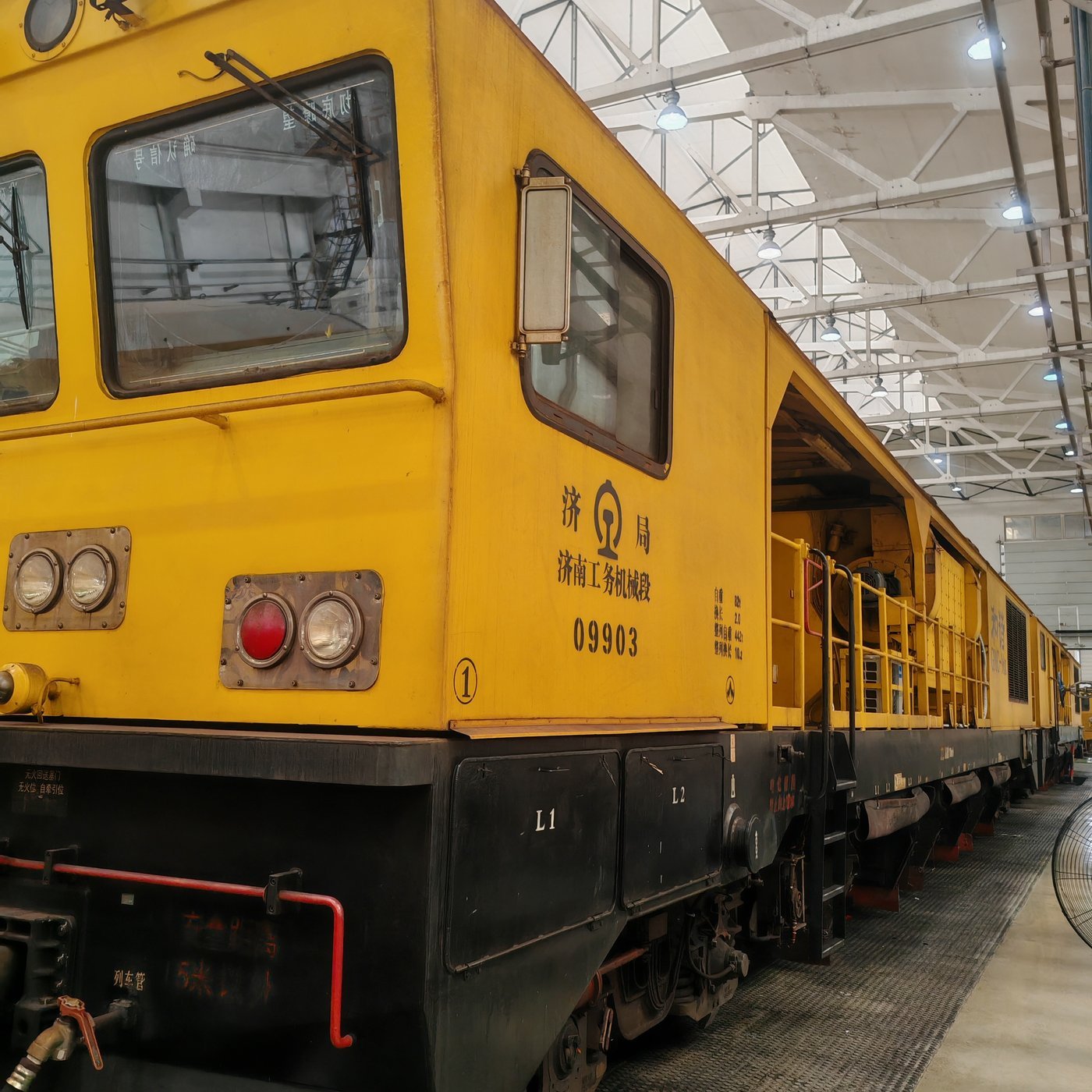
Building the plan in four steps
| Step | What it establishes | What skipping it costs |
|---|---|---|
| Baseline each work face separately — condition, defect type and remaining section, recorded against fixed points | A starting state that a later pass can be subtracted from, per face | Everything downstream is judged against the section that happens to be easiest to measure, and the hard faces never get a baseline at all |
| Fix the metres for a night from the fixed time first, then derive the rate you need | A length budget that survives the isolation, the travel and the extraction capacity | The rate is chosen for the machine and the length is whatever is left — which is how a programme ends up with passes it cannot finish and sections it re-enters twice |
| Give each work face its own interval clock — passes and condition on curves, tonnage where the duty is heavy | An interval that tracks the mechanism actually wearing that face | One clock is applied to four different mechanisms, and the faces that develop fastest are the ones deferred longest |
| Write acceptance per night into the contract, in the same units the plan uses | A night that can be closed out on the spot rather than reconciled at the end of the year | Quality is discovered late and in aggregate, when the only remaining remedy is another possession — the criteria themselves are in what acceptance criteria decide |
Two disciplines make the difference between a plan and a wish list. The first is refusing to state a nightly figure you have not measured a rate for — a rate derived from one section, on one surface, at one setting, is not a network rate, which is why the pass count has to come from a measured removal figure rather than from a target — see how many passes a rail needs. The second is treating the wheel as part of the plan rather than a purchase order, because on a short window the cost of a wheel that loads up or skates is paid in metres, not in wheel life. That behaviour, across the shallow preventive cut a transit programme mostly runs and the deeper cut a curve cluster needs, is set out in the Molaton wheel range. A Molaton wheel cannot make a window longer; it can stop a wheel problem from spending the window you have.
Related questions you may also ask
How to grind subway rails: urban transit grinding programmes How is a rail grinding interval set by tonnage? Should curved track be ground differently from tangent track? What is the difference between large-machine and small-machine grinding? What acceptance criteria decide whether a grinding job passed? More answers on rail grinding strategy and equipmentPlanning a transit network’s grinding year?
Send RailwayCare the network layout, the possession window you get per night and the defect types you are seeing. We will set out how to split the network by work face, what each face can realistically contribute in metres per night, and which Molaton wheel suits a shallow preventive cut and a curve cluster in the same programme.
Plan My Network Programme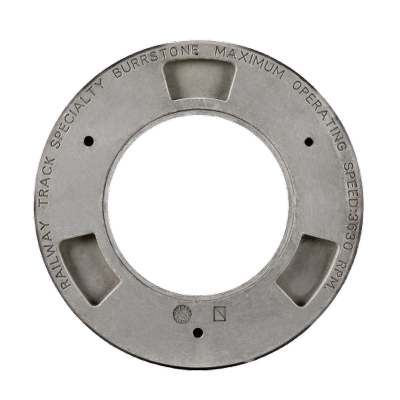
Are you looking for a reliable manufacturer of railway grinding and track maintenance equipment?
We can quickly provide customers with market analysis, technical support and customized services.
Safe Tracks Proven by China
- Name
- Phone
- *Title
- *Content