What does rail grinding actually remove from the rail head?
What does rail grinding actually remove from the rail head?
Rail grinding does not take off a single uniform layer of steel. It removes four separate things, each sitting at a different depth and each with its own removal target: the peaks of corrugation, the shallow crack layer left by rolling contact fatigue, the metal that has flowed at the gauge corner and rail head edges, and the oxide and third-body film pressed into the running surface. Because the four sit at different depths, the deepest one sets the pass and the shallowest one is simply taken along with it. That is why a grinding plan starts with measurement rather than with the machine.
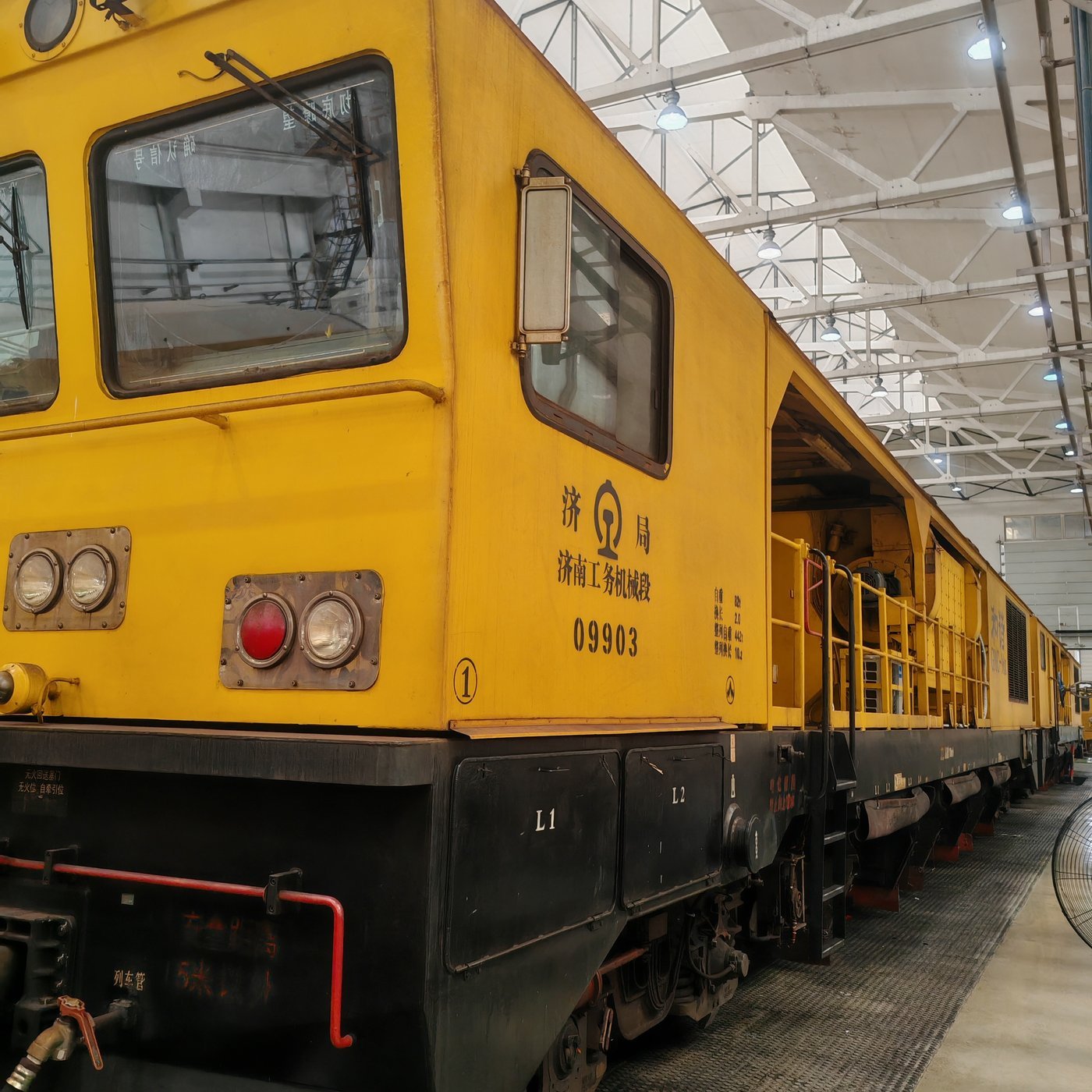
The four things a grinding pass removes
| What is removed | What it actually is | How its depth is set | What survives if you under-grind |
|---|---|---|---|
| Corrugation peaks | Periodic unevenness on the running surface that repeats at a fixed wavelength, so it behaves like a wave rather than random roughness | Peak-to-trough amplitude measured along the rail, plus the wavelength band it sits in | A peak you skimmed rather than removed regrows from the same seed — and rebuilds faster than it formed |
| The crack layer | Shallow rolling contact fatigue cracks that start at the surface and turn down into the head | The depth at which a crack still has a root; at shallow stages this is a matter of a few tenths of a millimetre | A surviving crack root keeps propagating under traffic — grinding above it achieves nothing |
| Flowed metal | Steel that has been squeezed sideways by the wheel, building a lip at the gauge corner and over the head edges | Section measured against the target profile, not against the previous ground surface | The contact geometry stays wrong even though the surface looks clean and bright |
| Oxide and third-body film | Oxide layers, rust and fine material pressed into the running surface, including spillage crushed by wheels | Surface condition before the pass; it comes off with the first contact | The film hides what is underneath, and it misleads both inspection and any friction reading |
The four are not a checklist to work through in order. They overlap in depth, and one pass takes a slice through all of them. What the planner has to decide is which one is deepest at that location, because that is the one that decides how much metal leaves the rail.
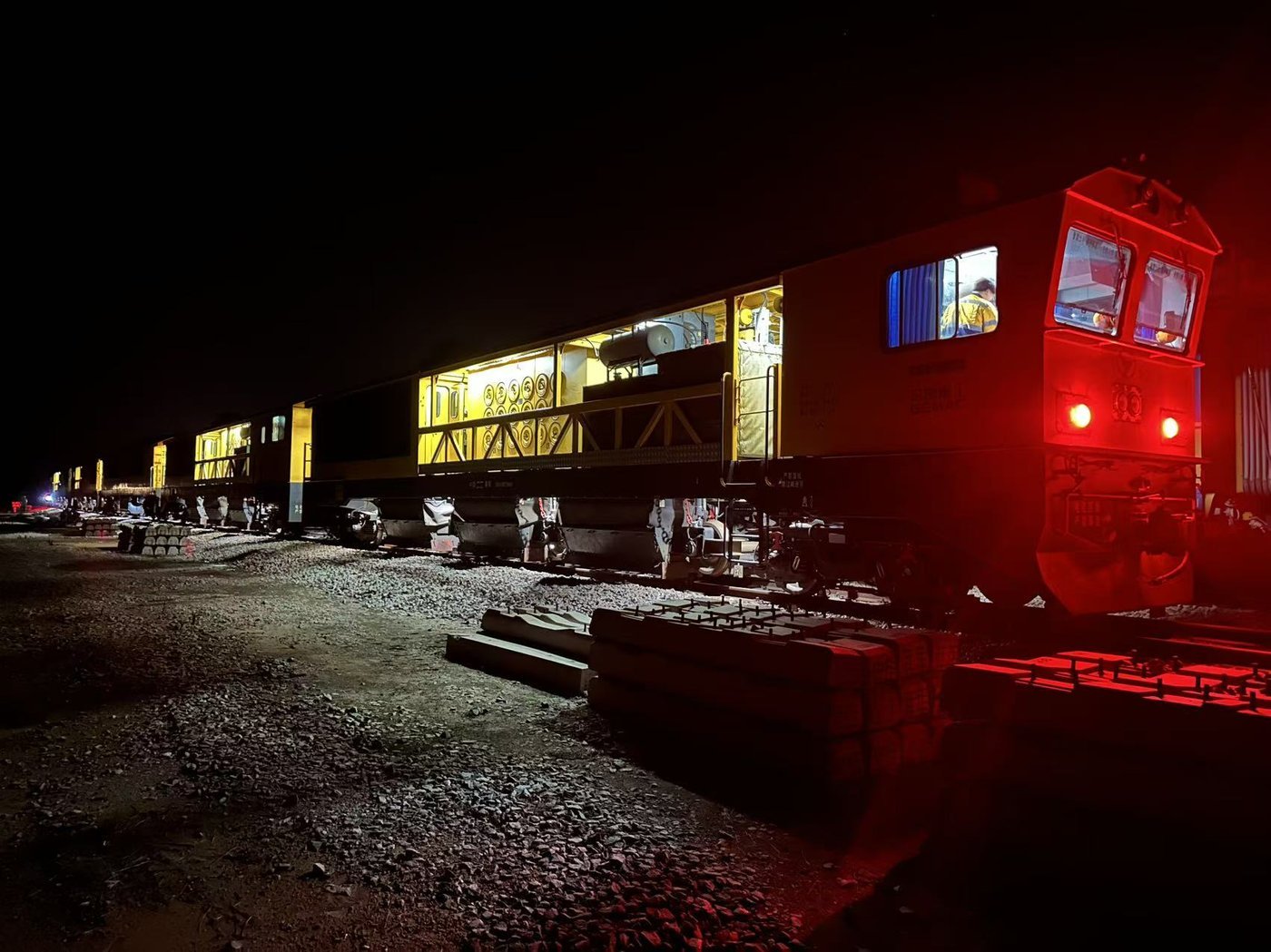
Why you cannot size a pass by the deepest defect alone
The obvious method — find the deepest defect, grind until it is gone — fails for a reason that has nothing to do with the defect. Removing more metal than the profile can spare does not just cost time. It narrows the band where wheel and rail actually touch, and a narrow contact band loads the wheel more severely: on heavy-haul track where this has been pushed too far, the first thing to fail is the wheel, showing hollowing and needing earlier reprofiling, while the rail itself still passes inspection. The rail was ground past the point where grinding was helping it.
That is the practical meaning of over-grinding: not "too much metal removed" as a number on its own, but metal removed past the point where the contact band can no longer carry the traffic. It is the reason a grinding plan is written against a target profile and a measured removal budget, rather than against a defect depth alone. The full method, from survey to acceptance, is set out in our guide to what rail grinding is and how a programme is built, and the crack side of it is covered in rolling contact fatigue origins and grinding mitigation.
What the pass has to leave behind
Judging a grinding job by what came off is the wrong end of the measurement. Three things have to survive the pass, and they are what an acceptance check actually looks at:
- The target profile — defined by the infrastructure owner for that rail section and traffic, not carried on the machine. A head that grinds to its own shape produces a consistent profile that is consistently wrong.
- Enough of the work-hardened surface — the running surface is not virgin steel, and cutting back into it beyond the plan trades a short-term clean surface for faster wear afterwards.
- An acceptable finish with no heat damage — a surface free of blueing and burning, checked as roughness rather than judged by eye. A ground surface that has been burnt is a new defect, not a repaired one.
This is the same reason Molaton treats the wheel and the plan as one system rather than selling a grade on its own: the wheel sets how much metal leaves per pass, and the plan decides whether that amount is the right amount at that location. It is also why Molaton grades are quoted against a duty — rail section, traffic and target profile — rather than as a standalone hardness figure. The wheel side of that pairing is explained in how grinding prevents rolling contact fatigue, and the programme side in our rail grinding solution.
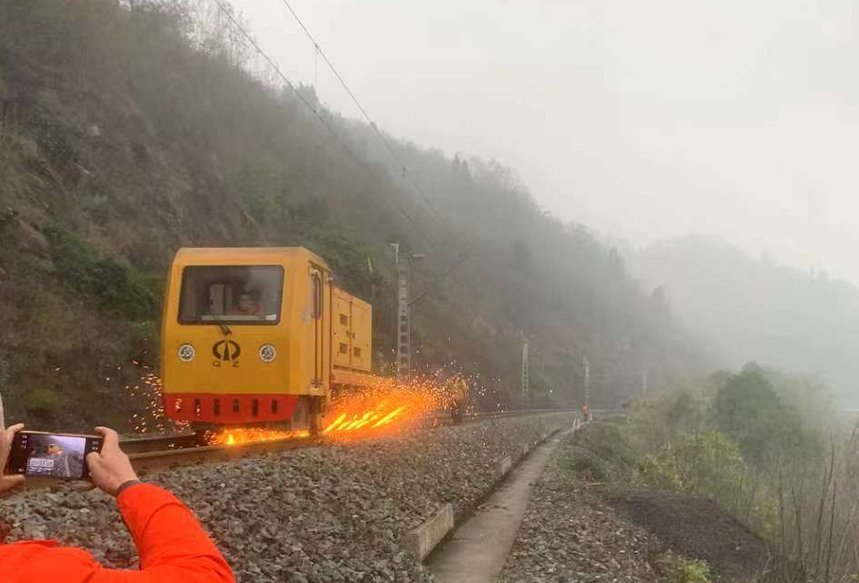
Related questions you may also ask
How does rail grinding prevent rolling contact fatigue? How does a grinding train remove rail defects? What is track grinding for rail stabilization?Not sure how deep your rail can be ground?
Send us the rail section, the measured defect depths and the traffic on that line. We will tell you what each of the four layers needs at that location, and what the pass should leave behind.
Ask for a Grinding Assessment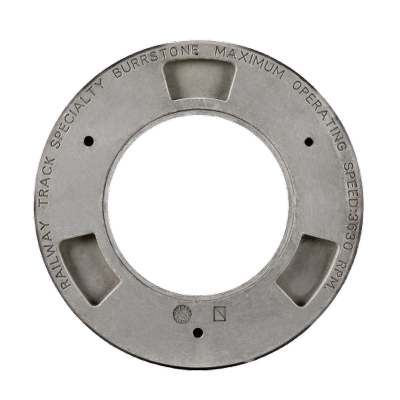

Are you looking for a reliable manufacturer of railway grinding and track maintenance equipment?
We can quickly provide customers with market analysis, technical support and customized services.
Safe Tracks Proven by China
- Name
- Phone
- *Title
- *Content