Preventive vs corrective rail grinding: what is the difference?
Preventive vs corrective rail grinding: what is the difference?
The difference is not how much metal comes off. It is who decides the depth. In preventive grinding the depth is set by a plan — the rail is touched on a schedule derived from traffic, before any defect reaches a limit, and each visit removes a thin, planned layer. In corrective grinding the depth is set by a measured defect — the rail is ground because something has already passed a threshold, and the cut has to reach the bottom of that defect. One is a recurring cost line. The other is a repair bill that arrives on the defect's timetable, not yours.
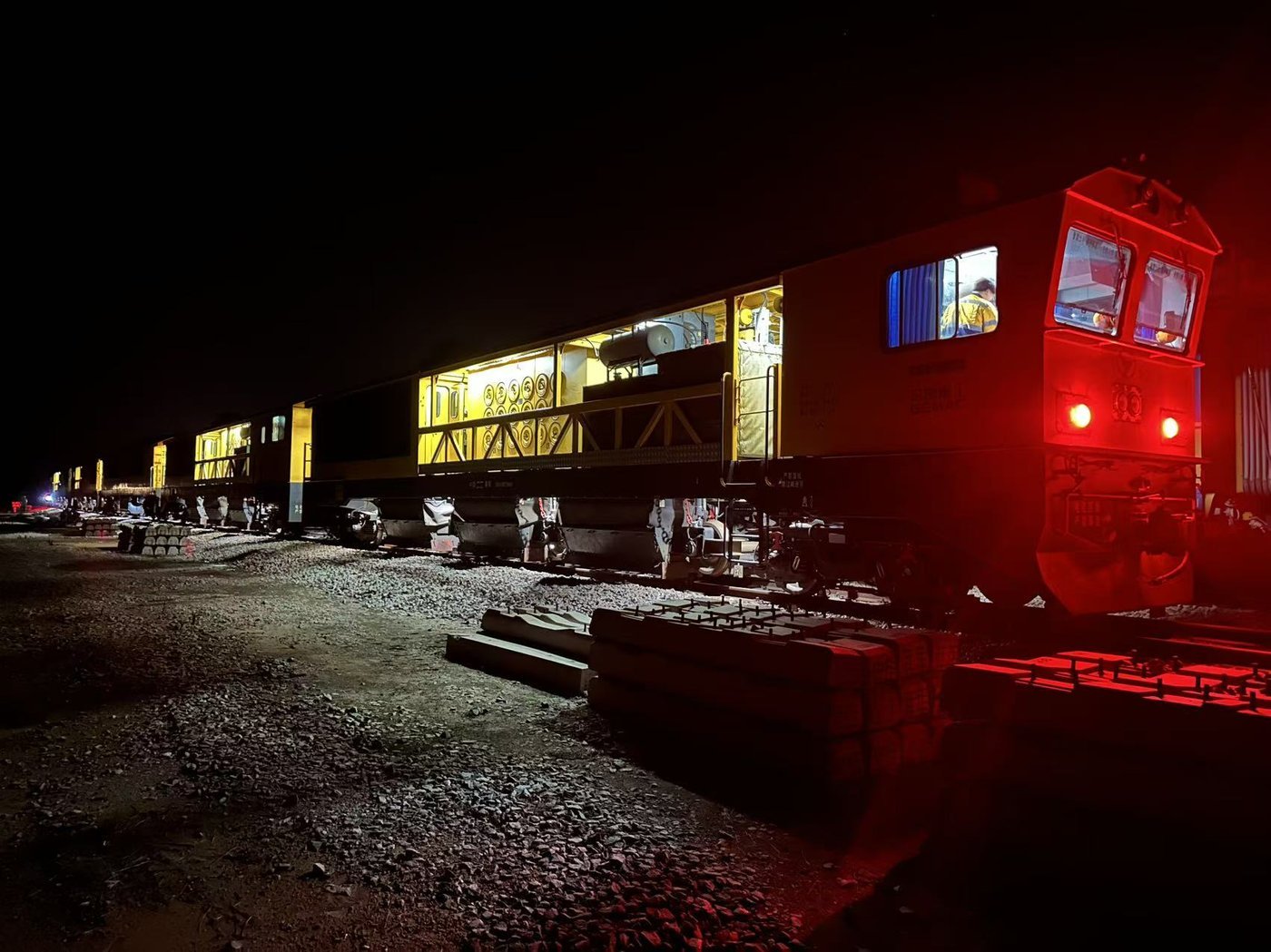
The three things that actually differ
| Preventive grinding | Corrective grinding | |
|---|---|---|
| What triggers the visit | A planned interval tied to traffic carried, not to the condition of the rail | A measurement that has crossed a limit: corrugation amplitude, crack depth, or profile deviation |
| Who sets the depth | The plan. Depth is a small planned allowance, applied whether or not the rail looks bad | The defect. Depth must reach the bottom of the defect, wherever that is |
| What fails if it is skipped | Nothing immediate — that is exactly why it is the easiest item to defer, and why deferring it compounds | The defect keeps growing, and the eventual cut is deeper than it would have been earlier |
| Shape of the cost | Steady and predictable, sized by kilometres and visits | Lumpy, and it does not scale linearly — a deeper defect needs more passes, longer possessions and more wheel consumption at once |
The fourth row is the one that gets missed in planning meetings. Corrective work is not simply "preventive work done late". A late defect demands a deeper single cut, and a deep cut spends the metal that the next decade of grinding would have used.
Why corrective grinding is not a patch-up job
It is tempting to treat corrective grinding as repair work — the rail is broken, so grind it back to something acceptable. That framing is wrong in a way that costs money. Corrective grinding does not restore the rail to where it was before the defect. It cuts down to the bottom of the defect and takes a new profile from there, which means the rail now sits lower than its original design section, permanently.
So the honest description is this: corrective grinding buys time by chasing a defect down to a depth where it can be controlled, and it pays for that time in section. That is a legitimate trade — there are lines where it is the only option — but it is a trade, not a reset. The deeper the defect went before it was addressed, the more section was spent buying that time.
This is also why the boundary between the two strategies is not a matter of opinion. Once a defect has reached a depth where grinding to its root would take the profile outside the allowed envelope, corrective grinding has run out of room and the conversation moves to replacement. The decision rules for that boundary are set out in what rail grinding actually removes from the rail head, and the measurement side in how to measure rail wear and when to grind or replace.
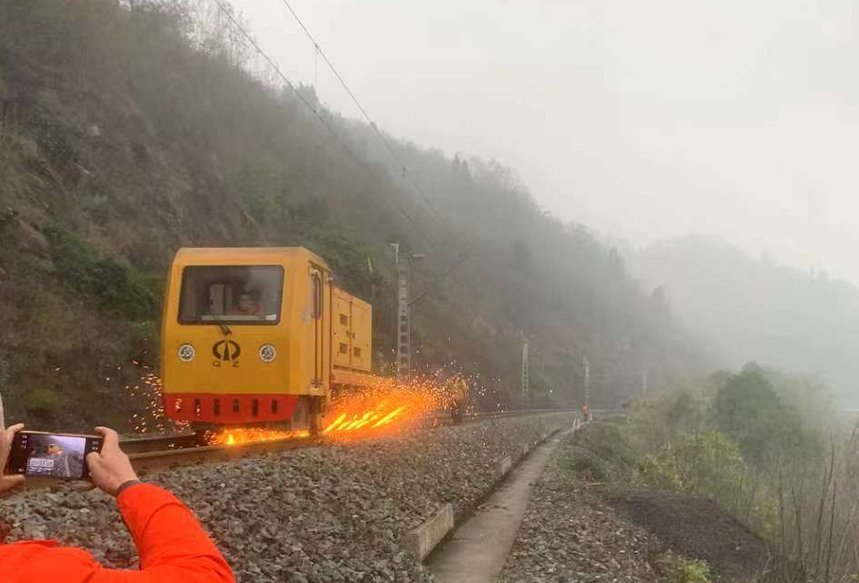
Where the shallow-crack case makes the choice for you
Rolling contact fatigue is the clearest place where the two strategies are not interchangeable. Surface cracks begin shallow and turn down into the head. At the early stage they sit within a very thin surface layer — on the order of a couple of tenths of a millimetre — and a planned light cut removes them completely, leaving no root behind. Wait until the same cracks are visible as a clear network and the cut has to go deeper to reach the same result, in a rail that has already lost section to traffic.
That is the mechanism behind the whole argument: preventive grinding is cheaper not because it removes less metal per visit, but because it always catches the defect while the defect is still shallow. The full mechanism, with the crack morphology, is in rolling contact fatigue origins and grinding mitigation and in how grinding prevents rolling contact fatigue.
There is a second, less obvious reason to keep the programme preventive rather than switching to corrective. Aggressive cutting to chase a deep defect narrows the band where wheel and rail actually make contact, and a narrow contact band loads the wheel harder. On heavy-haul track where this has been taken too far, the item that fails first is the wheel, showing hollowing and needing earlier reprofiling, while the rail itself still passes inspection. The programme looked successful on the rail and was quietly expensive on the fleet.
How the choice shows up in a contract
Because the two strategies differ in who sets the depth, they also differ in what a supplier can be held to. A preventive programme can be specified as visits per year over a defined mileage, with the acceptance check confirming that the profile was held inside its envelope and the surface came back clean. A corrective programme has to be specified against defects instead — what depth each defect class needs, and what happens when reaching that depth would exceed the envelope.
Writing a corrective job as if it were preventive is a common source of disputes: the contract promises kilometres, the rail needs depth, and neither side agreed in advance which one wins. Molaton sees this from the wheel side, because wheel consumption is where a mis-specified programme shows up first — a job that was paid per kilometre but needed depth per defect will consume wheels faster than any forecast. That is why Molaton quotes grades against a stated duty rather than as a standalone number. The contract and acceptance side is covered in rail grinding services, contracts and acceptance, and the programme-level view in our rail grinding solution.
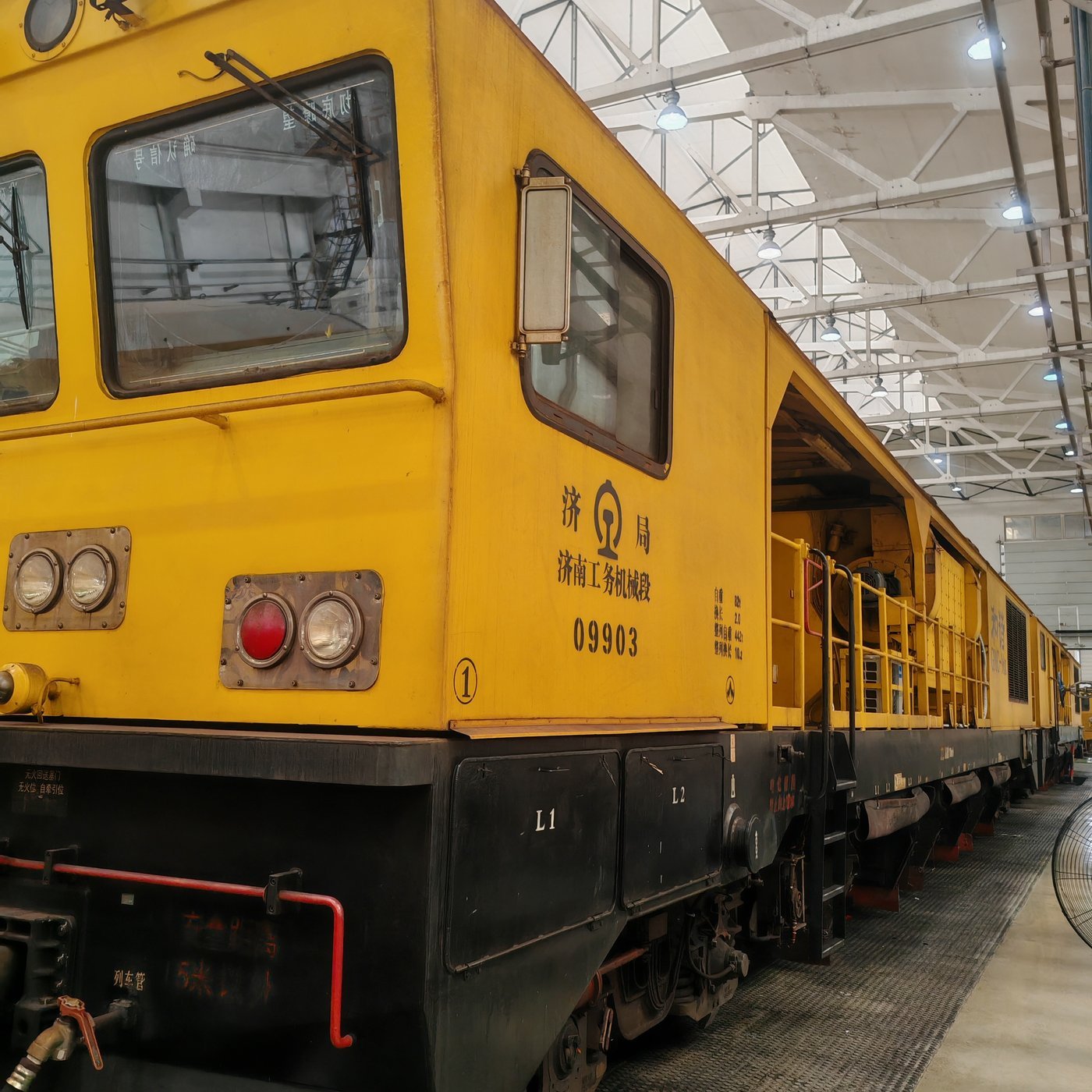
Related questions you may also ask
What does rail grinding actually remove from the rail head? How does rail grinding prevent rolling contact fatigue? What factors determine the rail grinding cycle?Deciding which strategy your line needs?
Tell us the rail section, the traffic it carries and the defects you are already seeing. We will set out what a preventive interval would look like against what a corrective programme would cost you in section.
Ask for a Programme Review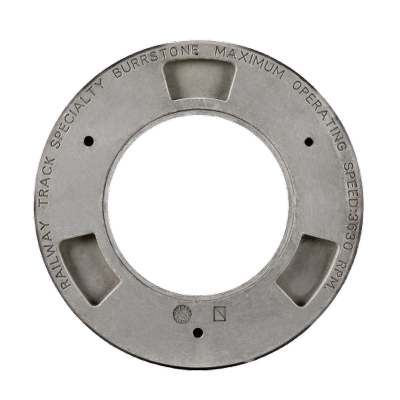
Are you looking for a reliable manufacturer of railway grinding and track maintenance equipment?
We can quickly provide customers with market analysis, technical support and customized services.
Safe Tracks Proven by China
- Name
- Phone
- *Title
- *Content