Operating Parameters of High-Speed Passive Rail Grinding
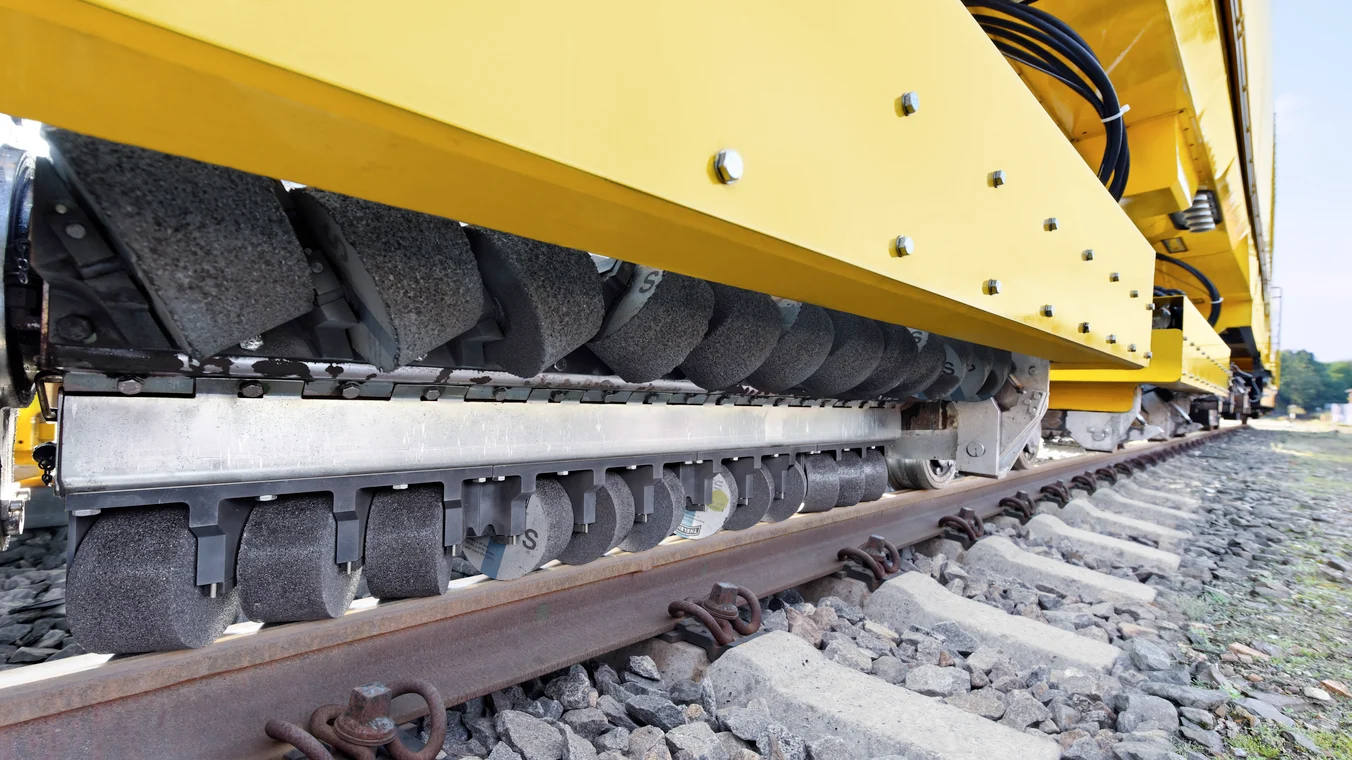
High-speed passive rail grinding is a maintenance method used for preventive rail care on mainline networks. It operates at line speeds, typically between 60 and 80 km/h, allowing work to be performed with minimal disruption to traffic.
The process relies on the friction between the moving rail and a non-driven abrasive wheel to generate the grinding action. Its effectiveness is determined by a set of interrelated operating parameters.
Core Operating Parameters of Rail Grinding
The grinding outcome is governed by three primary variables:
● 1. Operating Speed: Standard operating speed for machines like the Vossloh HSG-2 is 60 to 80 km/h. This high speed reduces the time required for track possession. However, it also increases the kinetic energy at the contact point, which raises the demand for heat dissipation from the grinding zone.
● 2. Downforce: This is the hydraulic force applied to press the grinding wheel against the rail head. On high-speed grinding trains, the downforce per wheel is generally in the range of 5 to 15 kN. Insufficient downforce leads to inadequate material removal, while excessive downforce can cause rail overheating or accelerated wheel wear.
● 3. Material Removal Rate (MRR): MRR, measured in mm³/s, defines the volume of steel removed per unit time. For preventive grinding passes, the MRR is maintained at a moderate level, typically 50 to 150 mm³/s. This setting is suitable for removing thin layers of material to address micro-defects, but is not intended for heavy stock removal.
These parameters are interdependent. A change in operating speed must be accompanied by an adjustment in downforce to maintain a stable MRR and control the thermal input to the rail.
Thermal Load Management
The primary engineering consideration is managing the heat generated at the contact patch. Excessive heat can alter the metallurgical structure of the rail, potentially reducing its service life. Two mechanisms are critical for thermal control:
● Controlled Grain Fracture: The bond system of the grinding wheel must allow abrasive grains to fracture progressively. This exposes new cutting edges and prevents the wheel face from becoming glazed, which would act as a thermal barrier.
● Heat Conduction: The design of the grinding unit and the thermal properties of the wheel body must facilitate the transfer of heat away from the rail interface.

Application Scope
Passive grinding is applied in three main scenarios:
● Pre-grinding: Conducted on new track before it enters service to remove mill scale, rust, and handling marks.
● Preventive Grinding: Performed on rails in good condition on a scheduled basis to remove surface micro-cracks and plastic deformation, preventing the initiation of rolling contact fatigue or corrugation.
● Corrective Grinding: Used to treat minor, existing surface irregularities such as early-stage corrugation.
The specific application determines the required total depth of metal removal and the MRR, which informs the choice of grinding wheel specification.
Integration with the Grinding System
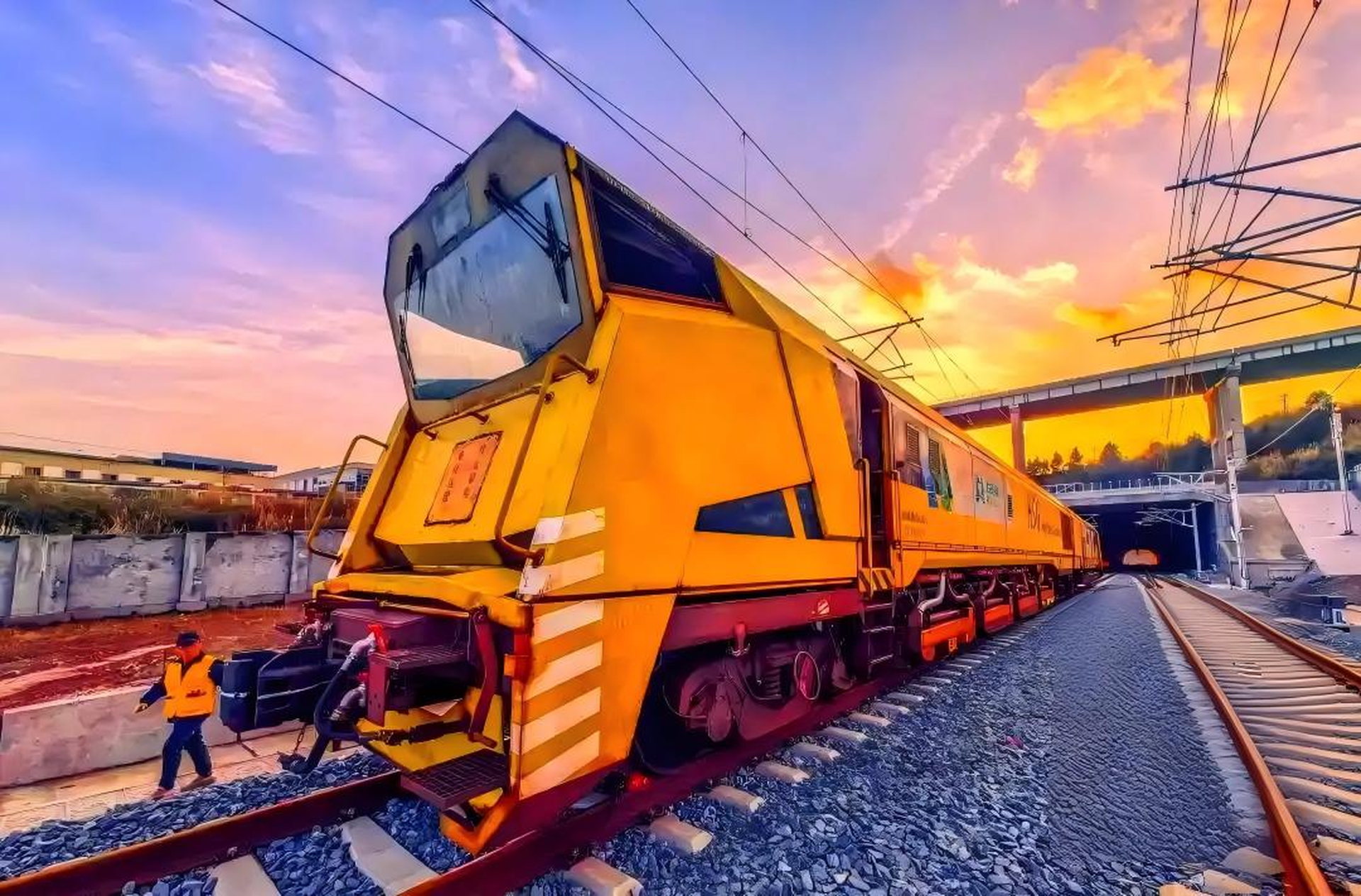
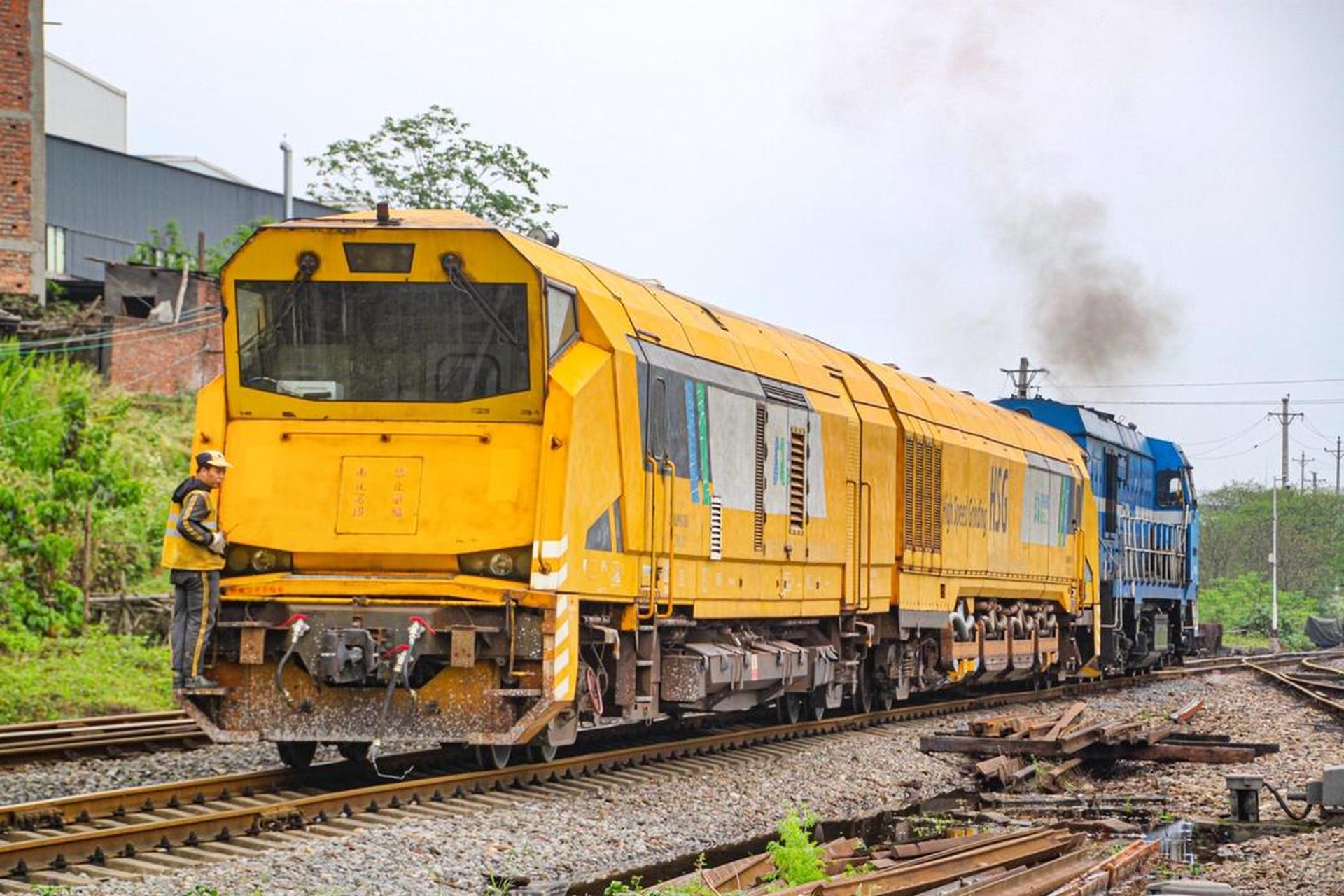
The Vossloh HSG-2 executes its preventive maintenance cycle through a defined sequence of passes. According to its standard operating procedure for networks like DB Netz AG, a complete grinding cycle consists of three sequential passes, utilizing a course / course / medium-fine grinding wheel configuration. This multi-pass strategy enables controlled material removal at operating speeds of 60–80 km/h. In this specific application, the total material removed at measurement points Y-10 and Y-20 is 0.1 mm.
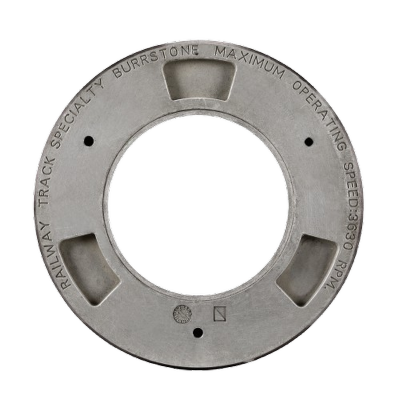
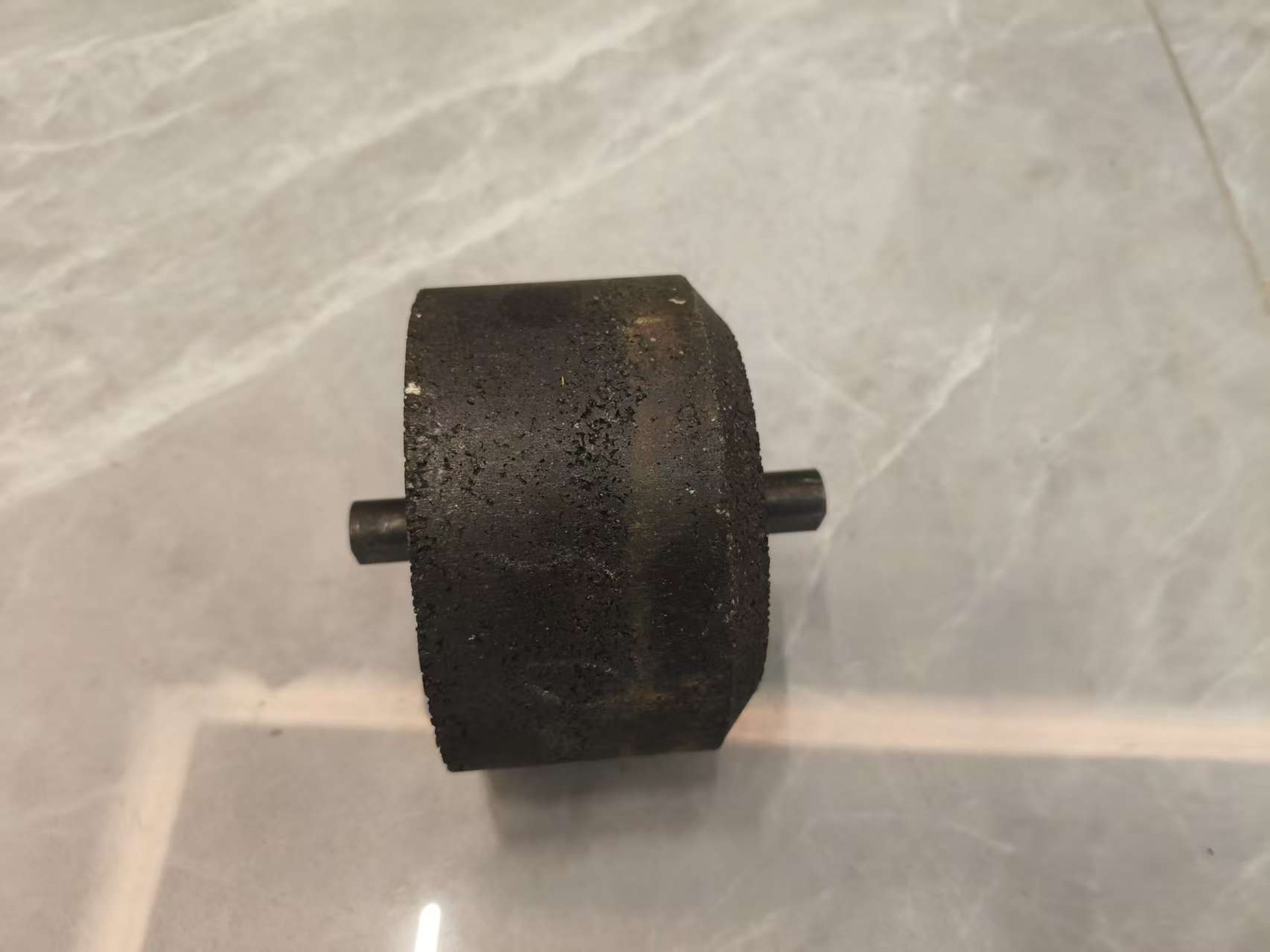
The grinding wheels are a critical part of this process. Vossloh’s official specifications confirm that their medium-fine grinding wheels for the gauge corner have a diameter of 120 mm and a width of 73 mm (Article No. 1301211). These wheels are composed of corundum abrasive, a resin bond, and filler material to achieve the required grinding characteristics and a final surface roughness of under 7μm.
The Molaton RailCare-L120073 is engineered as a direct counterpart to these Vossloh-specified wheels. It replicates the key physical dimensions and utilizes a thermally stable resin bond system, ensuring compatibility with the HSG-2’s three-pass operational protocol for both coarse and medium-fine grinding stages.
FAQ
What is high-speed passive rail grinding?
It is preventive rail care carried out at line speed, typically 60 to 80 km/h, so the work needs little or no track possession. The grinding action comes from friction between the moving rail and a non-driven abrasive wheel rather than from a powered spindle, and the outcome is governed by speed, downforce and material removal rate acting together.
What downforce is used on a high-speed grinding train?
Generally 5 to 15 kN per wheel. Too little downforce and material removal is inadequate for the micro-defects the pass is meant to clear; too much and the rail overheats or the wheel wears out faster than planned. Downforce also has to be re-set whenever operating speed changes, because the two together determine the thermal input.
What material removal rate suits preventive grinding?
A moderate rate, typically 50 to 150 mm³/s. That is enough to remove thin surface layers and address micro-defects, but it is not intended for heavy stock removal — for deeper correction the pass count or the machine changes. Where removal rate has to be high enough to reach crack depth, as in rolling contact fatigue work, the parameter set is different.
How is heat controlled at 60–80 km/h?
By letting the wheel do it: the bond has to allow abrasive grains to fracture progressively so fresh cutting edges keep appearing and the face does not glaze, because a glazed face acts as a thermal barrier and concentrates heat in the rail. The metallurgical limit this protects against is explained in rail burning prevention.
Which wheel fits a Vossloh HSG-2 grinding cycle?
The machine runs a three-pass cycle with a coarse / coarse / medium-fine wheel configuration, and its specified medium-fine gauge corner wheel is 120 mm diameter and 73 mm wide. A wheel intended as a counterpart has to replicate those dimensions and hold the same thermal behaviour across all three passes; the wider question of matching wheels to machine families is covered in our rail grinding machine manufacturers directory.
Understanding and controlling these operating parameters allows maintenance teams to apply passive grinding effectively for consistent rail surface quality and extended asset life.
📧 Contact: simon.wang@railwaycare.com
🌐 Technical Solution: https://www.railwaycare.com/comm01/Rail-Grinding-Solution.htm
📱 WhatsApp: +86 15072332788