What are rail defects? What are the solutions?
Limits of Rail Defect Treatment
| Rail defects | Limitation | Measurement methods | |
| 200~250 km/h | 250 (excluding)~350 km/h | ||
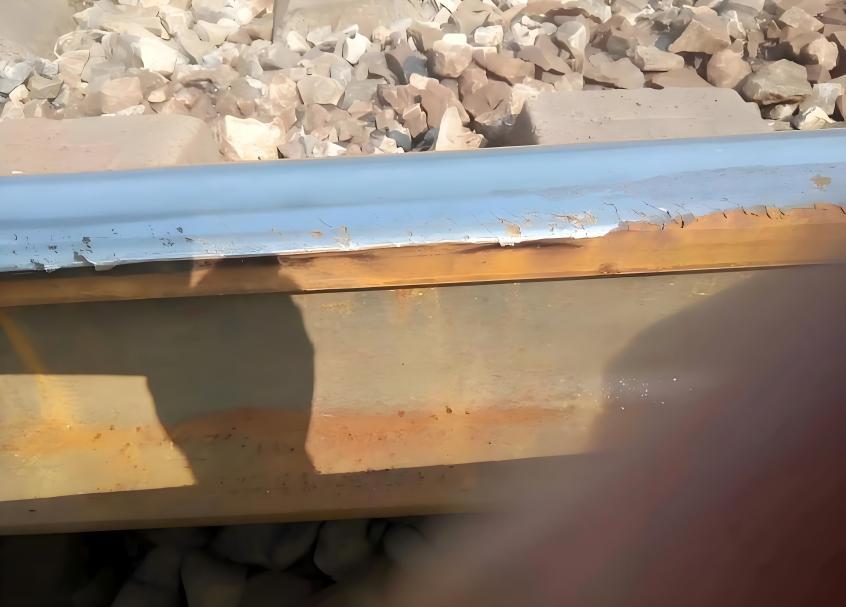
| Rail gauge defect | >1mm | >0.8mm | Ruler and depth gauge measurement |
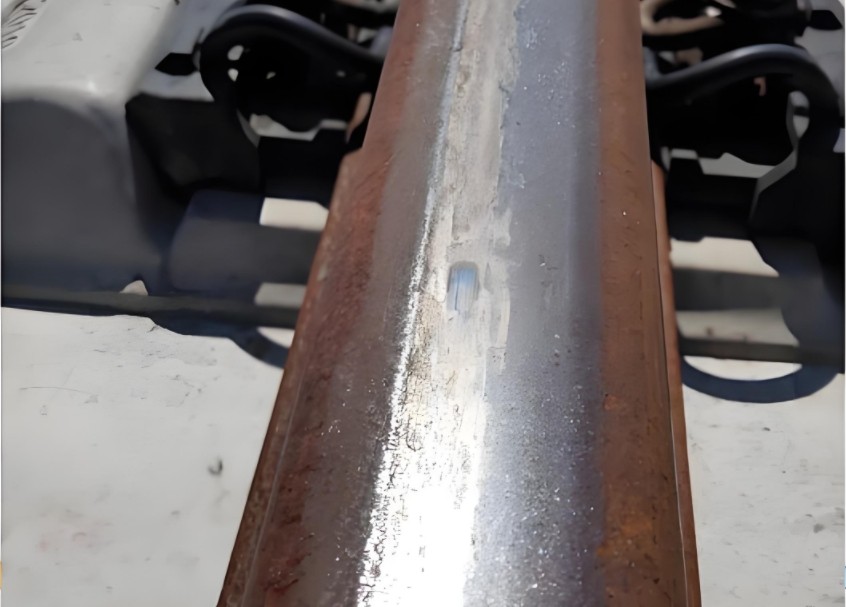
Rail top surface abrasion | depth>0.5 mm | depth>0.35 mm | |
Hard bend | >0.3 mm | >0.2mm | 1m ruler for measuring sagittal |
Low slump or saddle-shaped wear on the top surface of the weld (joint) rail | >0.3 mm | >0.2mm | |
Waveform wear | The rail surface exhibits periodic corrugation with an average valley depth exceeding0.04 mm (on-board inspection) or a maximum valley depth reaching 0.08 mm (manual inspection), and the wavelength is no greater than 300 mm. | The rail surface exhibits periodic corrugation with an average valley depth exceeding0.04 mm (on-board inspection) or a maximum valley depth reaching 0.08 mm (manual inspection), and the wavelength is no greater than 300 mm. | The test accuracy is 0.01 mm or higher, and the test length is not less than the sampling window length. |
Localized micro-fatigue cracks (fish-scale pattern) on the rail surface | Visual inspection | Visual inspection | Visual inspection |
When switch rail torsion,hard bending, switch rail wear, and frog rail wear cause abnormal light bands and affect train stability... | The drop of the switch rail relative to the stock rail exceeds 1 mm and the lateral and vertical acceleration of the car body are at three levels of deviation. | The drop of the switch rail relative to the stock rail exceeds 1 mm and the lateral and vertical acceleration of the car body are at three levels of deviation. | Manual and comprehensive inspection train |
Comprehensive rail repair
1:To prevent and treat rail defects, improve wheel-rail matching, and extend the service life of rails, rail repair work should be carried out properly.
2:When rails exhibit minor surface damage as shown in the table above, or other surface defects, they should be repaired promptly or non-destructive reinforcement should be applied.
3:When minor internal damage to the rail is found to be progressing, non-destructive reinforcement treatment should be adopted.
4:When reinforcing damaged areas, the damaged area should be placed in the middle of the splint as much as possible, and the splint must not come into contact with the weld bead.
5:The drilling location for rails should be on the center line of the bolt holes, and chamfering is mandatory. The clear distance between two bolt holes must not be less than twice the larger diameter of the hole. Any other trades requiring drilling or equipment installation on the rails must obtain approval from the railway bureau and entrust the engineering department with the construction work.
6:Welding repairs to rails are strictly prohibited. Flame cutting or burning holes in rails is strictly prohibited. Using choppers or other tools to forcibly cut or punch holes in rails is strictly prohibited. Hammering the bottom of the rails is strictly prohibited.
What Do Rail Defects Look Like?
Rail gauge defect
Rail top surface abrasion
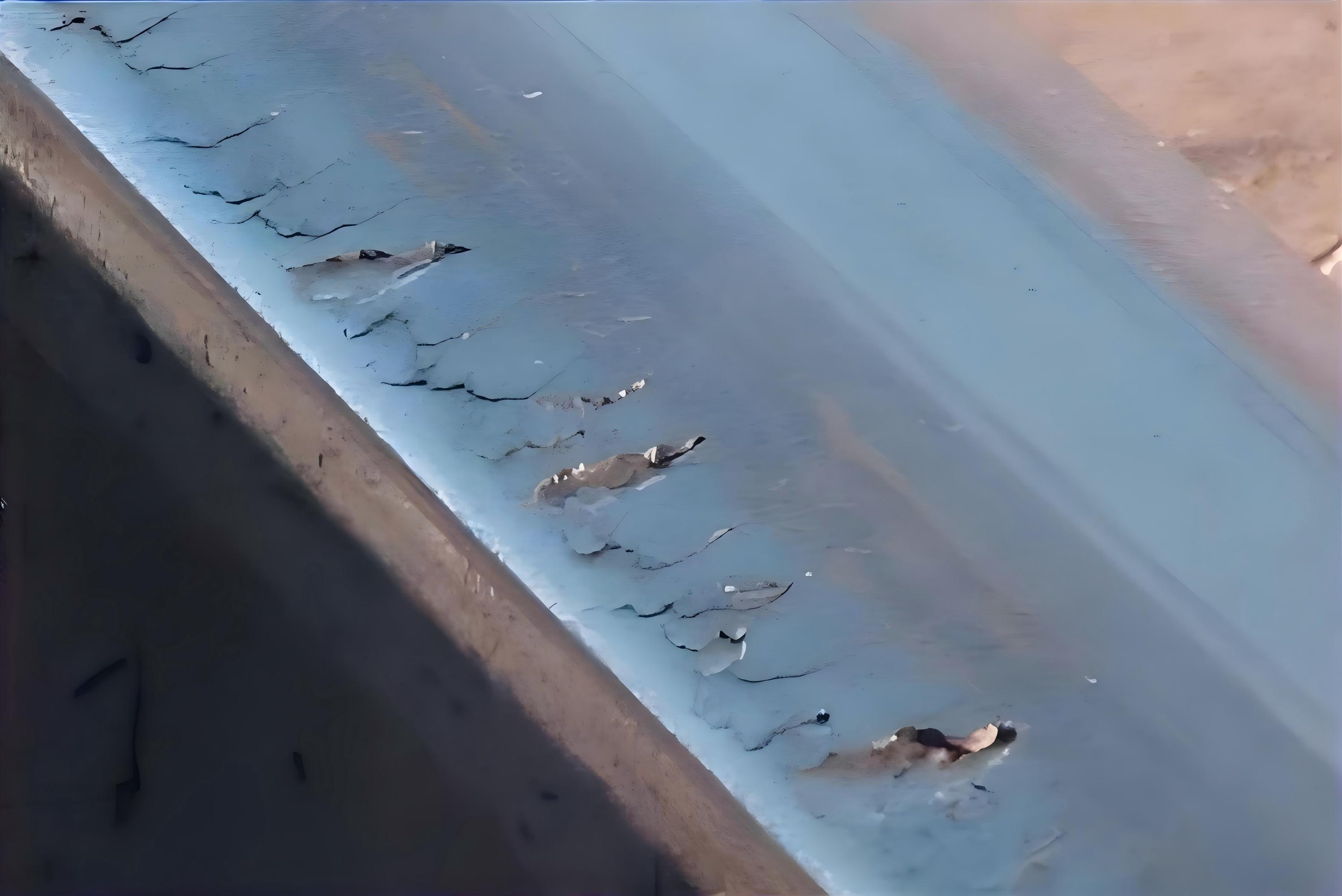
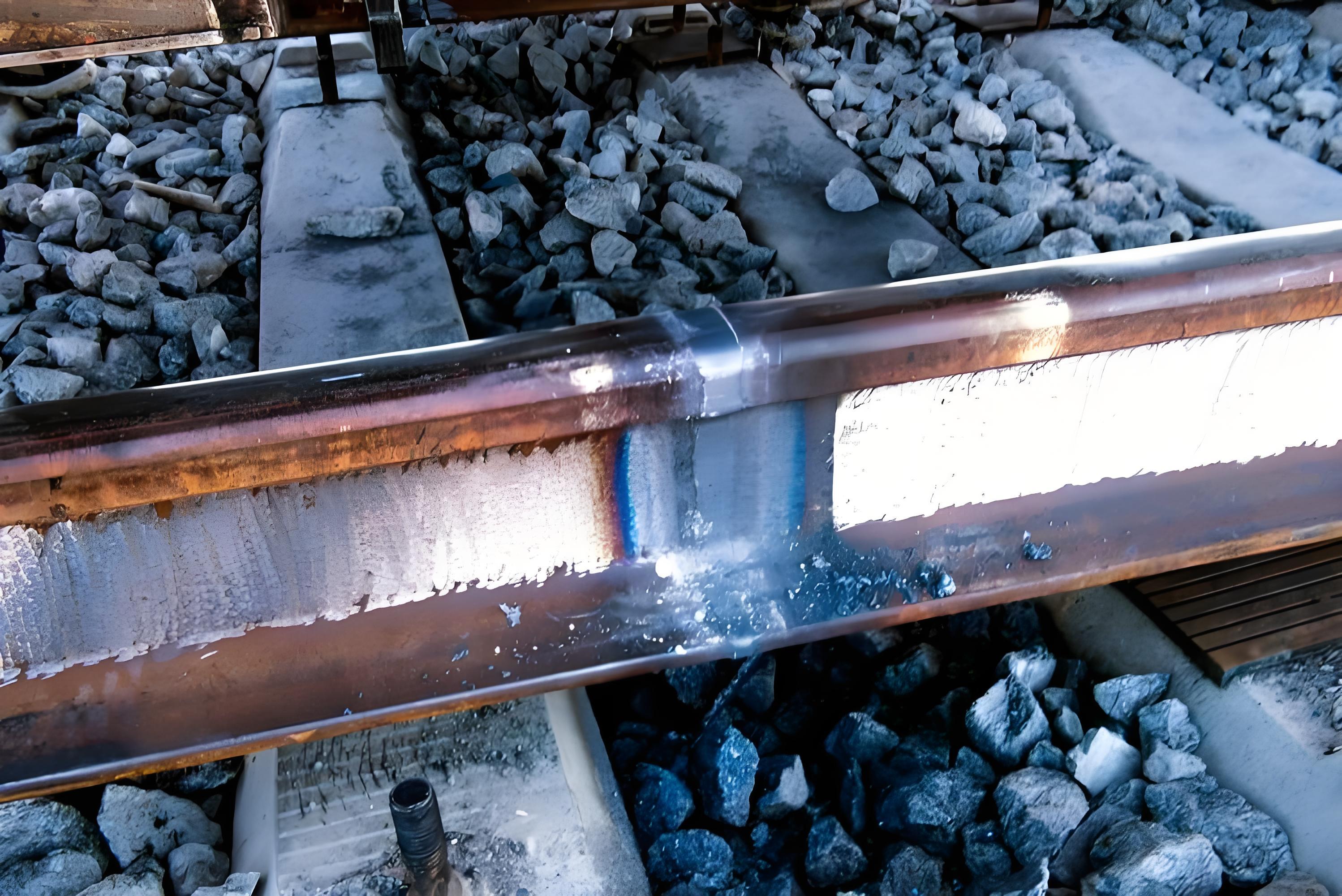
Fish scale pattern on rail surface
The top surface of the welded rail is low and collapsed.
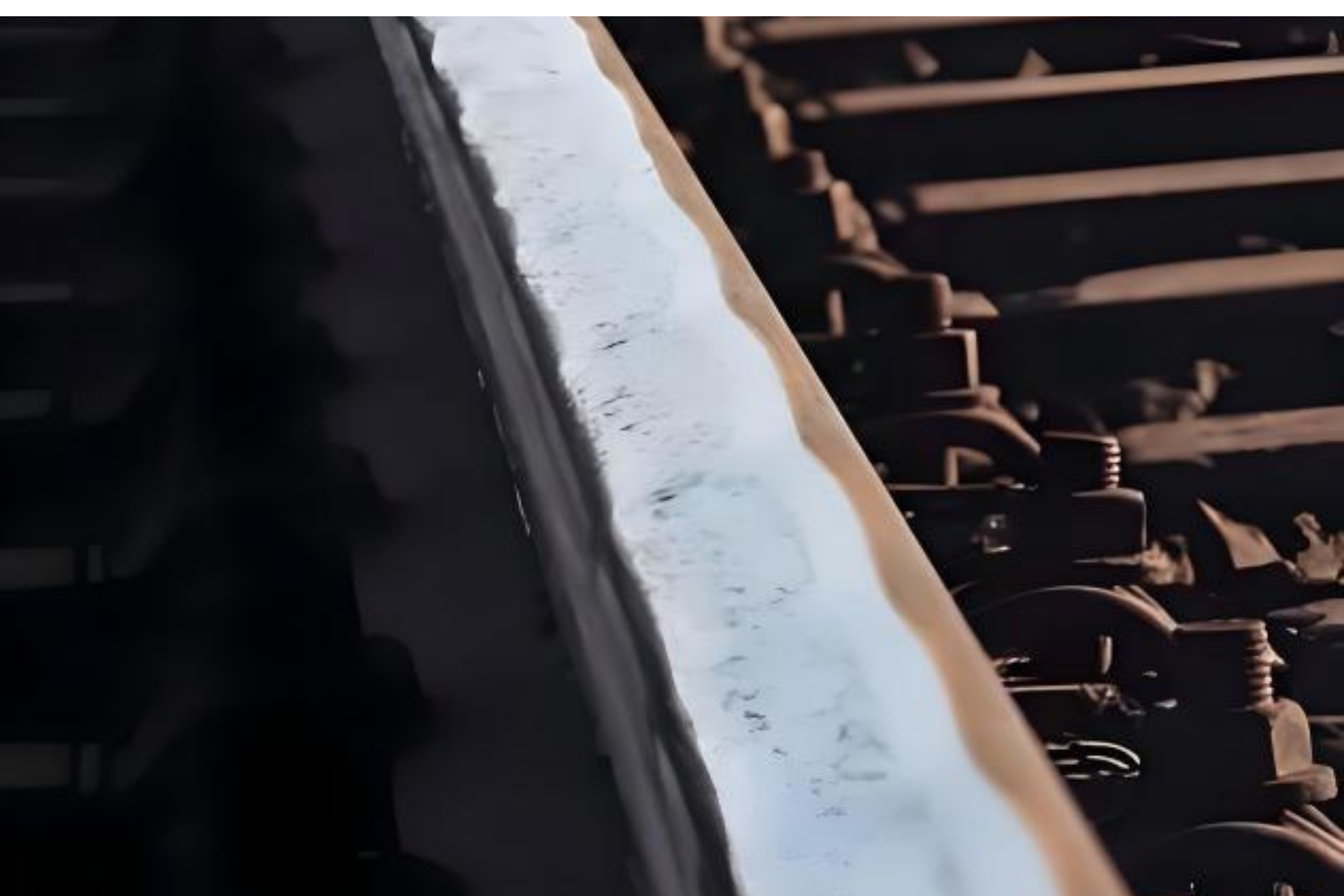

Corrugated wear
Hard bend
Frequently Asked Questions About Rail Defects
What is the most common rail defect?
On a modern line the most frequent defects are not sudden ones but progressive surface conditions: top-surface abrasion, corrugation and the early cracking that follows them. Which one dominates depends on the traffic – corrugation on powered track and in tunnels, rolling contact fatigue on curves and high-axle-load corridors, gauge corner damage where the contact band sits wrong.
Can grinding repair a defective rail?
Within the treatment limits, yes. Surface abrasion, corrugation, localised indentations and the early fatigue layer can all be cut back to sound metal and the profile restored. What grinding cannot do is replenish a rail that has lost too much section: once the defect exceeds the limit for the given speed band, the answer is replacement, not another pass. The process is covered in our complete guide to rail grinding.
How do you decide between grinding and replacement?
The limit table is the deciding document, and speed band is part of it – the same defect depth is acceptable at 200–250 km/h and out of limits above it. Measurement has to be repeatable before either decision is made, which is why rail wear measurement practice matters. See our guide to rail wear measurement for how profile and section loss are quantified, and our analysis of rail corrugation for the defect that most often drives the decision.
Which defects need hand tools rather than a grinding train?
Flange build-up on switch points, weld-seam irregularities and isolated corrugation on confined geometry are hand-machine and semi-automatic work: the quantities are small, the access is difficult and a grinding train cannot justify the possession. The method for one of the most common of these jobs is set out in our guide to flange build-up on switch points.
Treatment of Severe Rail Damage
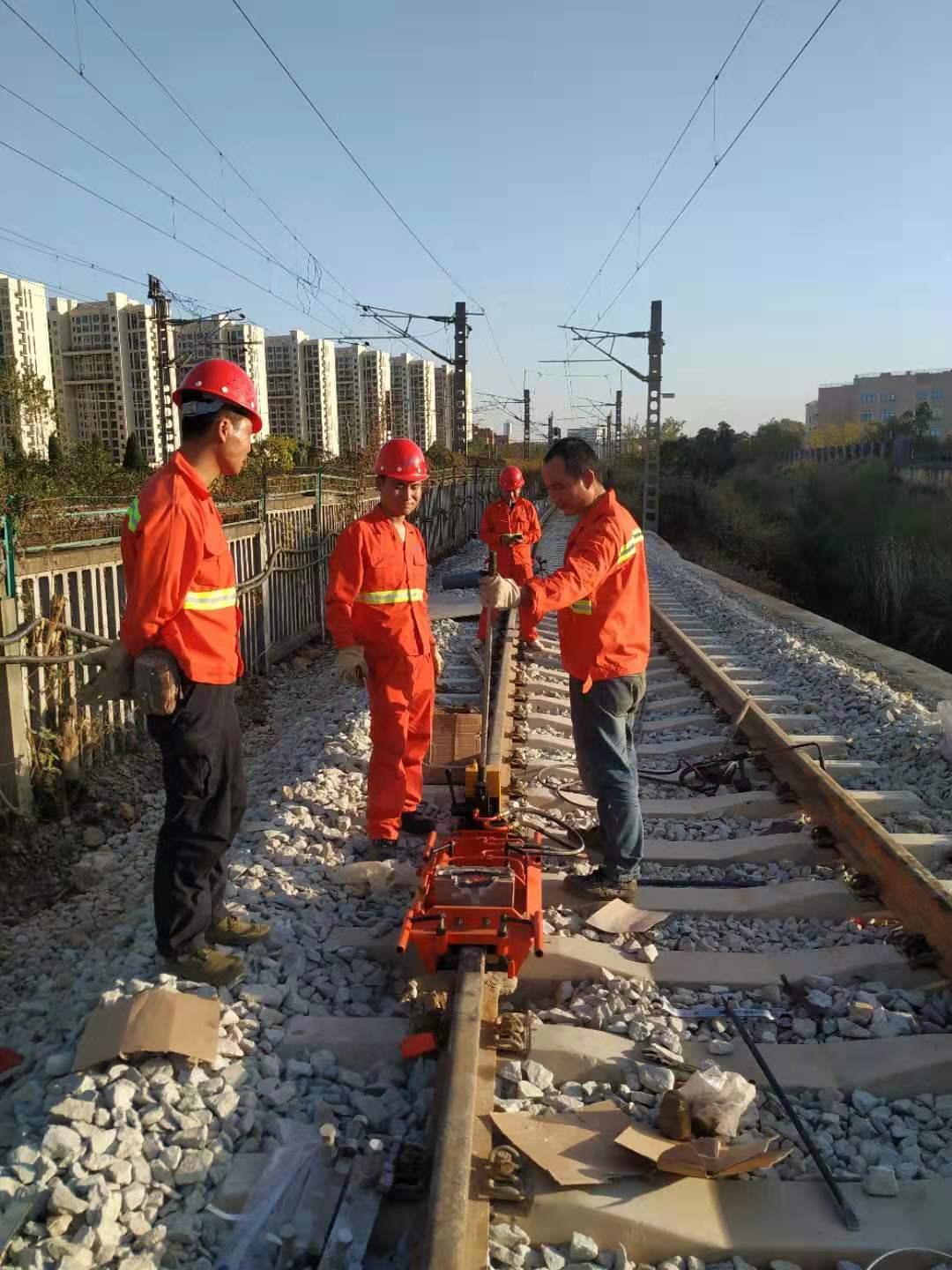
1. For rail core damage and severe weld damage, reinforcement treatment can be carried out, and permanent treatment should be carried out in a timely manner at a suitable temperature. Before implementing permanent treatment, inspection should be strengthened. If damage is found to be developing, emergency treatment, temporary treatment or permanent treatment should be carried out in a timely manner as if the rail is broken.
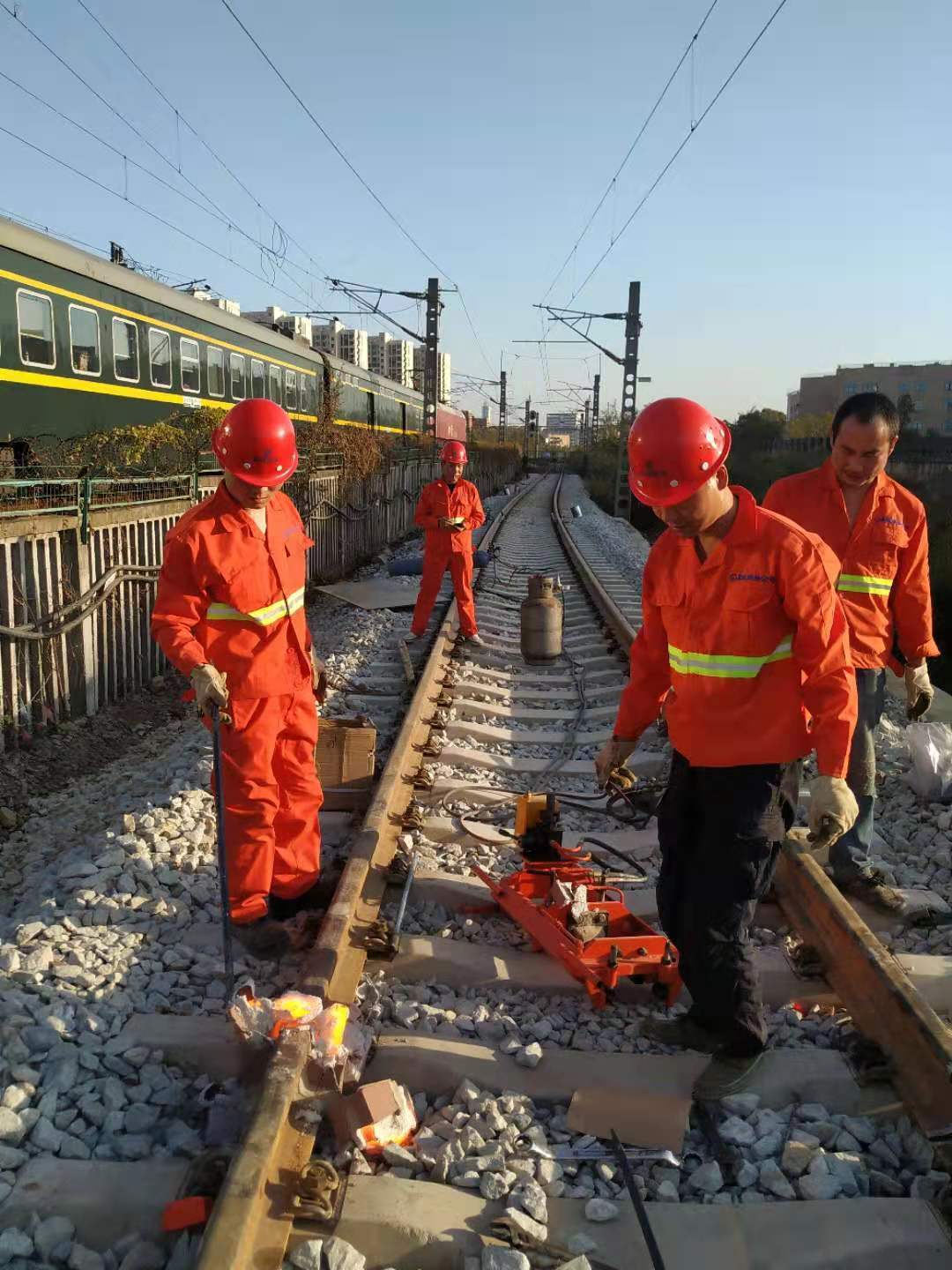
2. Cracks and serious damage that could cause the rail head to be exposed should be treated as rail breakage, with emergency, temporary, or permanent measures taken.
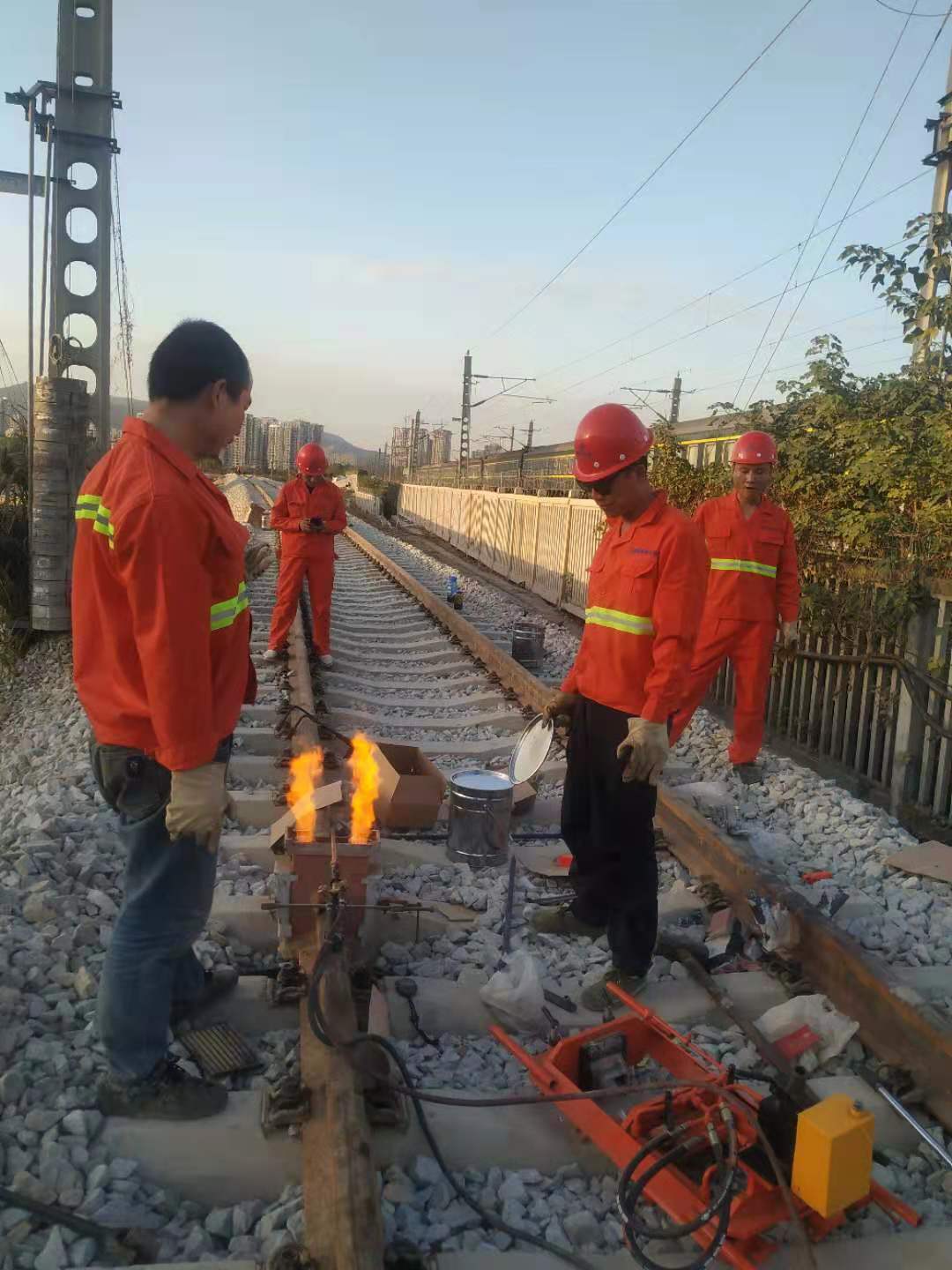
3. Other serious injuries can be treated by repair or welding. Before treatment, speed limit measures can be taken according to the actual situation on site.
In summary, rail defects such as thickened edges, corrugations, abrasions, cracks, corrosion, and uneven rail surfaces are not minor issues. In the short term, they exacerbate wheel-rail impacts, causing train jolting and reduced passenger comfort. In the long term, they continuously amplify wheel-rail wear, accelerate rail aging, and greatly increase the risk of rail breakage and derailment. Traditional manual grinding with angle grinders is inefficient, lacks precision control, and leads to recurring defects. This results in ever-increasing maintenance costs, requiring significant manpower and time, and makes standardized and stable maintenance difficult to achieve.
Railway Maintenance Solutions
In simple terms, rail defects are essentially deformations of the rail surface profile, and manual repairs only address the symptoms, not the root cause. Instead of repeated patching, it's better to use professional rail maintenance equipment for a one-time, thorough repair. Our rail repair equipment is designed to efficiently resolve all of the above-mentioned rail defects, improving repair efficiency and reducing long-term track maintenance costs.
WhatsApp: +86 15072332788
Email: simon.wang@railwaycare.com
LinkedIn