Railway Industry Insights: Market Trends, Technology and Maintenance Outlook 2026
The railway industry entered 2026 with traffic still rising and network expansion slowing in the markets that built the most track over the past two decades. That gap — more trains running on a network that is growing more slowly than the traffic using it — is now the single most important fact in the sector, because it decides where the money goes. This outlook sets out where the industry actually stands, which segments are carrying the growth, and why rail maintenance has moved from a cost line to a capacity lever.
In one sentence: In 2026 the railway industry is defined by growing traffic against decelerating network expansion, which shifts spending away from new construction and towards the condition of the track already in service.
What Is Shaping the Rail Industry in 2026
Three forces are setting the agenda, and they do not pull in the same direction.
Traffic is growing, but very unevenly. UIC's provisional results for 2025 put global passenger traffic up around 4.5% year on year and rail freight up about 2% in tonne-kilometres. The headline conceals sharply divergent regional performance. Indian Railways grew passenger volumes by 7.7%, and China Railway by 3.7%. On the freight side, EU-27 volumes fell by an estimated 2.2%, offset by growth of about 2.6% in China and 1.1% on US Class I railroads. For an operator or a supply chain serving them, that divergence matters more than the global average: the commercial case for maintenance capacity is strong in Asia and considerably harder to defend in parts of Europe.
Network expansion is decelerating where networks are already dense. China added 3,109 km of new line in 2025, of which 2,862 km was high-speed, against a national network of 165,000 route-km (National Railway Administration, 2025 Statistical Bulletin). Annual additions now represent under 2% of the network already in service — a very different ratio from the construction boom years, when new line mileage was a meaningful share of the total. The directional change is even clearer in urban rail, where Chinese metro construction investment has fallen every year since its 2020 peak, from CNY 628.6 billion to CNY 411.4 billion in 2025 (China Association of Metros, 2025 Annual Report). Building is no longer the growth story in the world's largest rail market. Keeping what has been built in service is.
The asset base keeps compounding regardless. A network does not stop ageing because construction slows. China's 165,000 route-km, the 60,000 km of high-speed line now in operation worldwide, and the 13,068 km of urban rail in service in China alone all continue to accumulate traffic, and traffic is what consumes rail. This is the structural mechanism behind the industry's maintenance arithmetic, and it is the subject of the section on renewal pressure below.
Network, Traffic and Electrification in Numbers
Electrification is usually discussed as a decarbonisation topic. For maintenance engineers it is a usage indicator: electrified networks run higher traffic densities, and electric traction changes the loads and the electrical environment that the track and its fastenings have to survive. The figures also show how differently the major networks are configured.
| Network | Electrification rate | Context |
|---|---|---|
| Switzerland | 100% | The only major network at full electrification |
| India | 99.2% | Broad-gauge network of over 69,000 route-km |
| China | 82% | 76.7% of national route-km electrified; 65.2% of locomotives are electric |
| Spain | 67% | High-speed network electrified throughout |
| Japan | 64% | Dense commuter and high-speed operation |
| France | 60% | Mixed electrified and diesel secondary lines |
| Russia | 52% | Long-haul freight on non-electrified sections |
| United Kingdom | 39% | Predominantly diesel freight operation |
*Source: UIC electrification comparison, June 2025; China figures from the National Railway Administration 2025 Statistical Bulletin.*
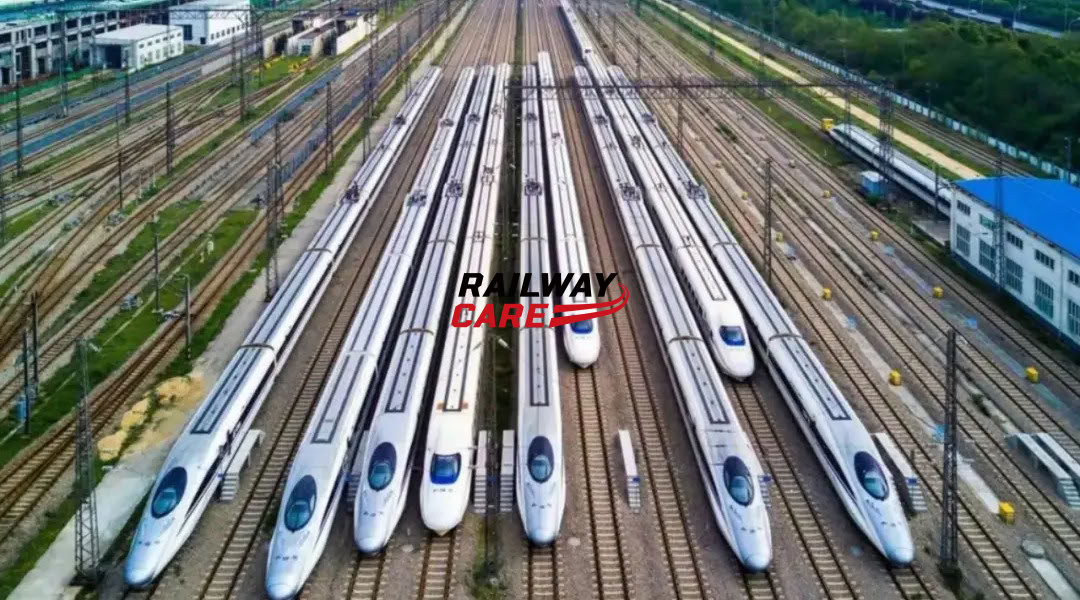
China's position is worth setting out precisely, because it is simultaneously the largest network, the fastest-growing high-speed network and the market with the most accumulated renewal work. At the end of 2025 the national network reached 165,000 route-km with 50,000 km of high-speed line, a double-track rate of 61.2% and an electrification rate of 76.7%. Fixed-asset investment was CNY 901.5 billion; 3,109 km of new line was commissioned. Traffic over the same period came to 4.601 billion passenger journeys, up 6.7%, and 5.277 billion tonnes of freight, up 2.0%. The national railway's freight turnover reached 3,356.3 billion tonne-kilometres, up 3.0%, and its total transport revenue passed CNY 1 trillion for the first time.
Two details in those figures are easy to miss and matter enormously for track work. First, the network is now more than 60% double-tracked, which compresses the windows available for possession-based work: on a single line a closure stops the railway, on a double-track line it constrains it, and on a busy double-track corridor the operational cost of a closure rises sharply. Second, rolling stock is now 65.2% electric. Electric traction returns current through the running rails, which puts the track, the fastenings and the insulation into an electrical circuit as well as a mechanical one — a maintenance consideration that does not exist on a diesel-worked line.
Urban rail deserves separate treatment because its trajectory is the clearest illustration of the shift from expansion to stewardship. China's metro and urban rail networks reached 58 cities, 382 lines and 13,067.89 km of operating route at the end of 2025, a net increase of 907 km in the year, carrying 33.383 billion journeys, up 3.49%. Annual construction investment, meanwhile, fell 13.38% against the previous year to CNY 411.42 billion — the fifth consecutive annual decline. Operating mileage is still climbing at roughly 900 km a year while construction spending falls. Whatever else that means, it means the length of track in revenue service keeps growing while the pipeline of new-build capability narrows.
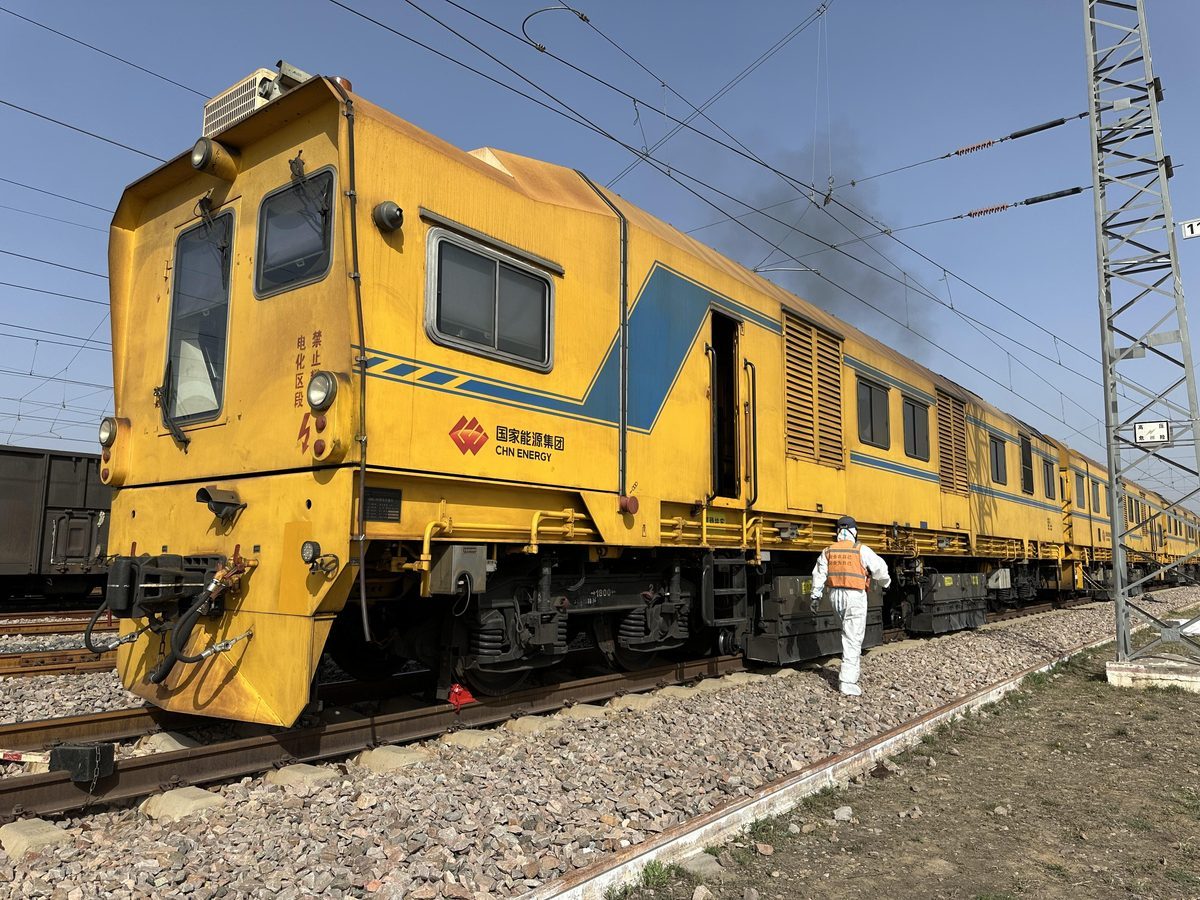
Railway Industry Trends by Segment: Heavy Haul, Transit and Industrial Rail
The word "railway industry" covers segments whose economics, axle loads and maintenance demands have almost nothing in common. Treating them as one market is the most common analytical error made about the sector.
Heavy haul and mineral rail. This is where the industry's hardest engineering happens. North American Class I railroads moved to 32.5-tonne axle loads as the heavy-haul standard, and dedicated mineral railways run higher still — iron ore lines in Australia's Pilbara operate above 30 tonnes and have reached 40 tonnes since the early 2000s, on a network that handles the bulk of Australia's roughly 900 million tonnes of annual iron ore exports. China's heavy-haul corridors are built to 23–25 tonne axle loads with 30-tonne trials on dedicated freight lines; the Shuohuang Railway routinely runs trains of over 20,000 tonnes on a 2,218 km system moving more than 40 million tonnes annually. High axle load is not a track specification problem alone: it drives rail head wear, corrugation and rolling contact fatigue faster than any other variable, which is why rail grinding intervals on heavy-haul lines are measured in millions of gross tonnes rather than in months. The material limits that these loads push against are covered in our guide to what railroad tracks are made of, which sets out the rail steel grades and head hardness heavy-haul lines depend on.
Urban and suburban transit. Metro systems run lighter axle loads than heavy haul but far higher cycle counts, on curves that are frequently tighter than the design assumptions the rail was originally specified against. China's urban rail investment is also rotating away from conventional metro towards medium-capacity systems: among lines under construction, metro's share fell 4.72 percentage points in a year while medium-capacity systems — light rail, suburban express rail and maglev — rose 6.10 points. Suburban express rail accounted for 11.99% of the net mileage added during the year. Curved track dominates the maintenance burden on transit networks, and side wear management on tight-radius curves is the subject we treat in detail in our guide to rail grinding on curves.
Industrial and private sidings. Mine spurs, steelworks railways, port rail and industrial branch lines share one characteristic that the mainline segments do not: the operator owns the track and the rolling stock, and answers to a production schedule rather than a public timetable. Maintenance here is driven by throughput economics, and the argument for mechanised rail grinding on an industrial spur is profitability rather than safety compliance — a distinction that changes what the buyer asks for and often shortens the decision cycle.
| Segment | Traffic trend | Maintenance intensity | Typical buying pattern |
|---|---|---|---|
| Heavy haul / mineral | Growing with commodity volumes | Highest — wear rate scales with axle load and gross tonnage | Long-term programmes, performance-based contracts |
| National freight corridors | Mixed; flat in Europe, growing in Asia | High — high traffic density, constrained windows | Centralised procurement, framework agreements |
| High-speed passenger | Growing steadily | Moderate but precision-critical — geometry tolerance is tight | OEM-linked, strict acceptance standards |
| Urban transit | Growing in ridership, investment flat or falling | High on curves and turnouts | Tendered by the operating company, often asset-managed |
| Industrial and private sidings | Follows the host industry | Variable, frequently under-managed | Direct purchase, small fleets, single decision-maker |
Maintenance Backlogs and Track Asset Renewal Pressure
The renewal argument is arithmetic, and the arithmetic is unfavourable in every large network.
Take China, the clearest case. Fixed-asset investment of CNY 901.5 billion commissioned 3,109 km of new line in 2025. The network already in service is 165,000 km. New construction therefore touches roughly 1.9% of the network each year, while 100% of the network is being consumed by traffic. A renewal or maintenance intervention, by contrast, has to reach every kilometre eventually — and the rail grinding, welding, turnout work and geometry correction that keeps that network open is performed on track that is simultaneously carrying revenue traffic.
Urban rail shows the same pattern with a sharper edge. Investment has fallen from CNY 628.6 billion in 2020 to CNY 411.4 billion in 2025, a decline of about 35%, while operating mileage continued to grow by roughly 900 km a year and ridership rose 3.49%. Falling capital spending plus rising operating mileage plus rising ridership is a definition, not an interpretation: the sector is being asked to do more with assets it is investing less in creating.
Europe presents the constraint from the demand side rather than the supply side. Freight tonne-kilometres among EU-27 operators fell about 2.2% in 2025, yet network utilisation on core corridors remains high enough that access for maintenance is the binding constraint on the work that gets done. Slower traffic growth does not relieve a maintenance backlog; it makes it harder to justify closing the line to clear it.
Four signals identify a network carrying a rising renewal burden, and most large operators now show at least three of them:
- Grinding programmes moving from corrective to scheduled. When rail grinding shifts from responding to reported defects to a calendar or tonnage-based programme, the operator has accepted that defect response alone cannot keep up.
- Possession windows getting shorter and more contested. More double track, more traffic and more competing work in the same window all reduce the track access available per kilometre of asset.
- Turnout and curve work dominating the defect population. Concentrated wear at turnouts and on curves is the signature of a network whose mainline is broadly in condition and whose difficult locations are not.
- Acceptance criteria tightening rather than loosening. Stricter geometry and surface tolerances after grinding are not a sign of a network in trouble; they are the sign of an operator managing renewal by making each intervention count.
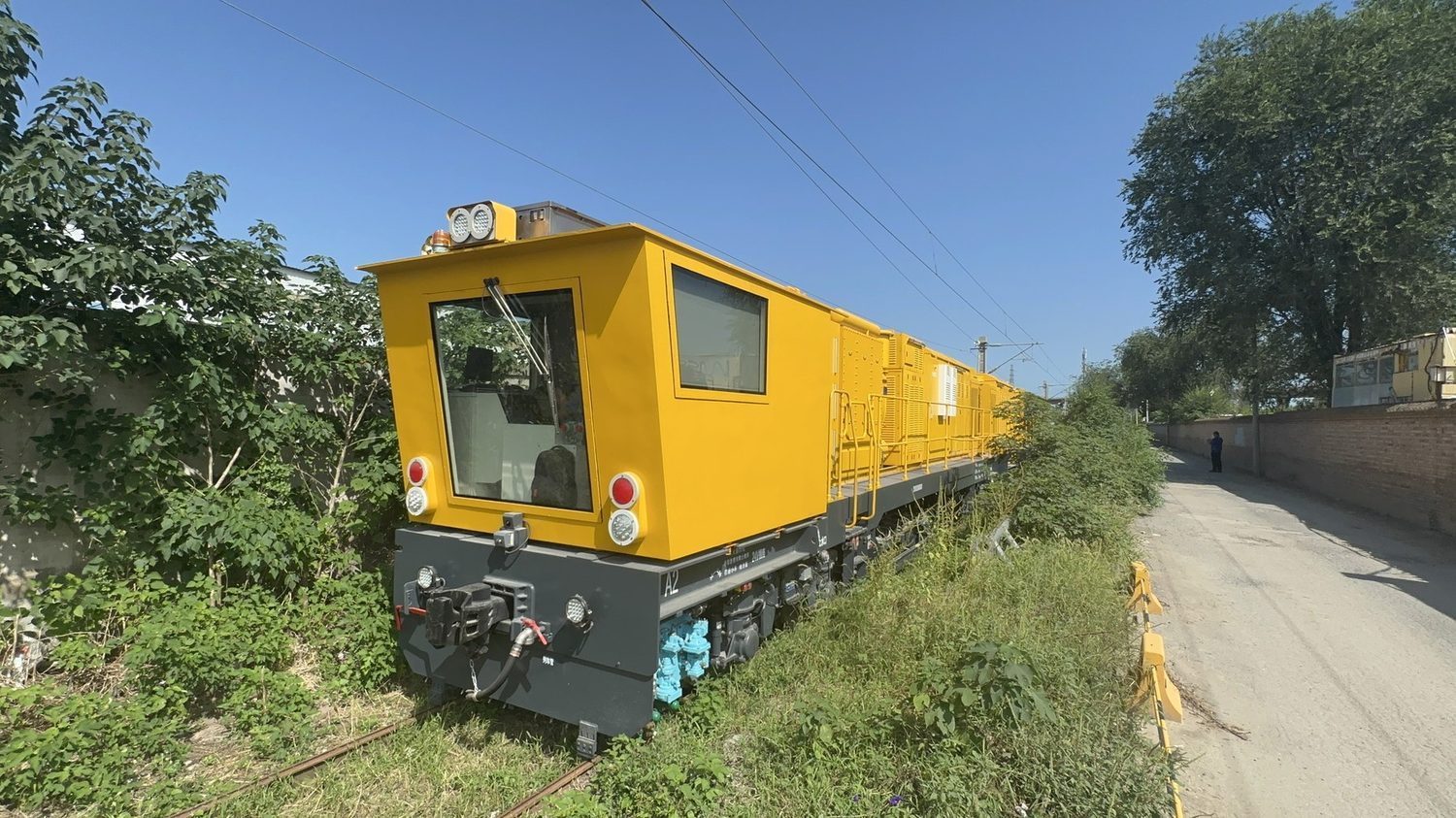
Technology Shaping Rail Maintenance: Detection, Data and Grinding
Maintenance technology in 2026 is changing along one axis: from measuring the asset to measuring the work done on the asset, and from inspecting a sample to monitoring the network.
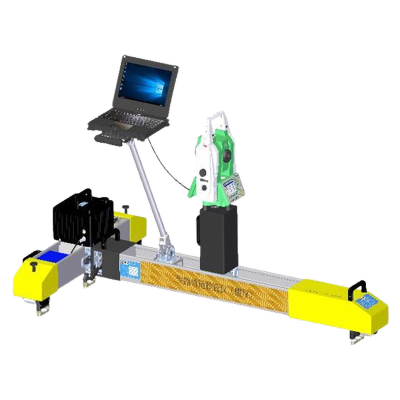
Detection. Track recording cars, vehicle-mounted geometry systems, ultrasonic and eddy-current inspection of the rail section, and increasingly vision-based automated defect recognition are all in routine service. The practical shift is not the sensor but the cadence: a network inspected continuously by in-service vehicles produces a different class of decision than one inspected quarterly by a dedicated recording car. The constraint that has not moved is the weld and the turnout, which remain the locations where detection confidence is lowest and where the consequence of a missed defect is highest.
Data and acceptance standards. The most consequential development for rail grinding is the emergence of quantified acceptance criteria applied to the finished surface rather than the operation that produced it. Guangzhou intercity rail's Grinding Quality Index, published in 2024, scores the fit between the measured profile and the design profile from 0 to 100 across four zones of the rail head, and sets the acceptance thresholds explicitly: an individual profile is rated excellent at GQI ≥ 85 and acceptable at GQI ≥ 70, while section acceptance requires the excellent threshold to be met with a standard deviation of no more than 8 and at least 70% of profiles rated excellent. Separate limits govern the grinding cut — at least 0.2 mm for pre-grinding and corrective grinding, 0.1 mm for preventive grinding — and the finished surface must show no continuous blue band and no periodic wheel marks. Criteria of this kind convert grinding from a craft into a measurable process, and they change what an operator should be asking a contractor to prove.
The classic acceptance measurements remain the foundation: surface irregularities within 0.3 mm under a 1 m straightedge, surface roughness no coarser than 10 µm, no burn or oxide layer, a fillet gradient better than 1‰, and a maximum cut into the parent metal of 0.5 mm. Any grinding programme can be judged against those five numbers before the more sophisticated indices are applied.
Rail grinding as the capacity lever. The reason grinding has moved up the agenda is that it is the only maintenance intervention that improves the asset and the operation at the same time. A correctly ground profile restores the wheel-rail contact geometry, which reduces the dynamic forces that cause corrugation, fatigue and side wear; it extends rail life by removing the surface layer where cracks initiate; and it reduces rolling resistance, which shows up in fuel or traction energy. On a network where adding capacity means either new construction or better use of existing track, and where construction spending is falling, grinding is the cheaper of the two. Our overview of what rail grinding is and what it achieves sets out the full scope of the process for track operators.
Automation and railway driving on dedicated corridors. The most advanced automation is on isolated heavy-haul networks where the operational case is unambiguous. Australia's Pilbara system achieved driverless mainline operation in 2018 on a network of around 2,000 km, and now uses a driving strategy engine to determine where to apply power and brake — improving both consistency and energy use. This matters for maintenance because automated driving applies the same traction and braking inputs every time, which makes the resulting rail wear more predictable and easier to plan against. On mixed-traffic public networks, where the operational and regulatory obstacles are far greater, the near-term automation story is in detection and decision support rather than in the cab.
Suppliers, Contractors and the Global Rail Supply Chain
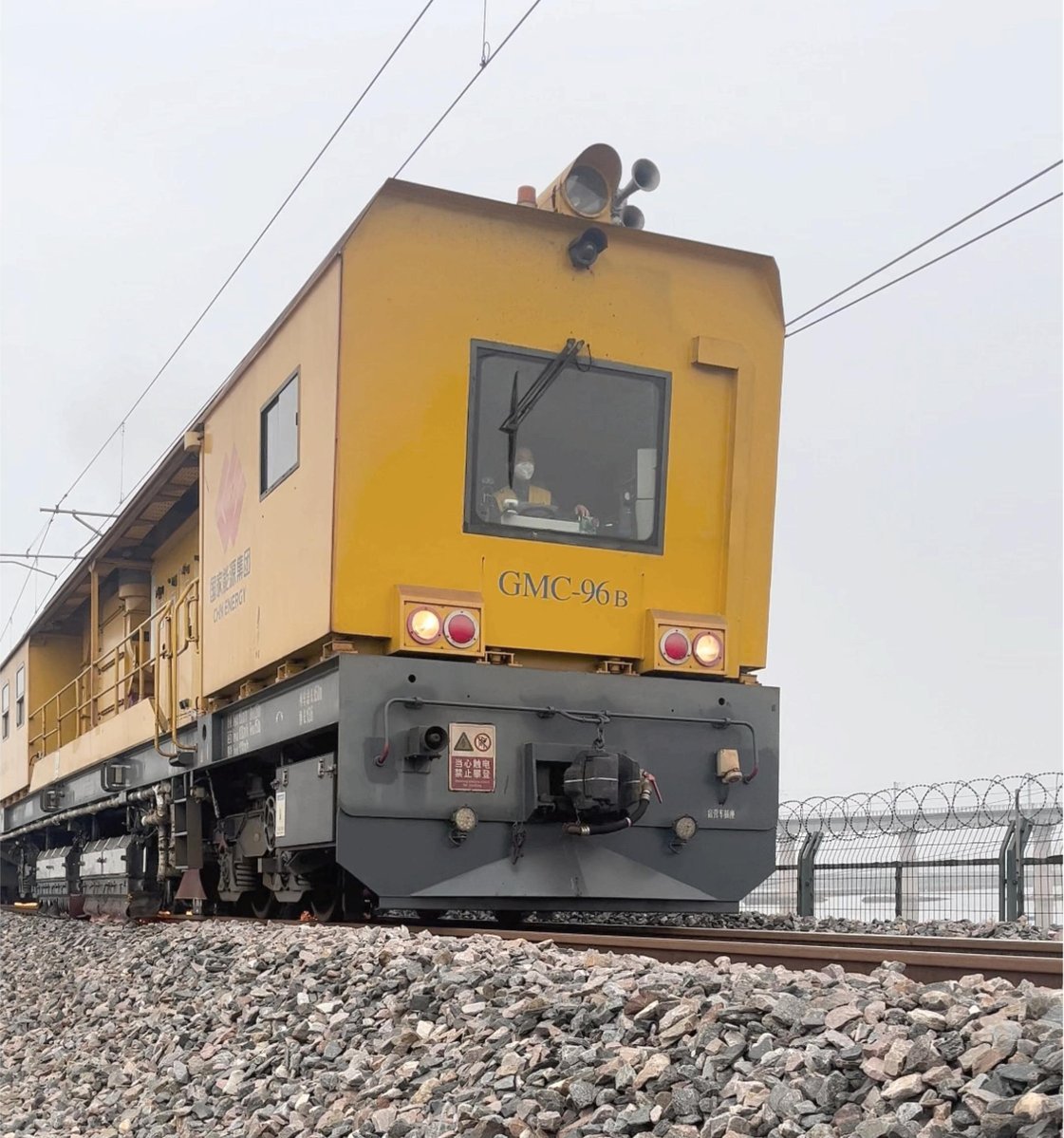
The supply side of rail maintenance has consolidated around a small number of equipment builders and a larger, more fragmented service market. The main rail grinding machine platforms in global service include Speno and Harsco's PGM and GMC ranges, Loram's grinders, Vossloh's high-speed and transit units, and CRRC's GMC series; machine specifications, wheel configurations and consumable formats differ enough between platforms that a grinding wheel specified for one family will not fit another. Our review of rail grinder manufacturers and the machine families they supply covers this landscape in detail.
Between the machine builders and the operators sits the service contractor, and the commercial models have stabilised into three recognisable shapes: the operator grinding with its own fleet; a service provider contracted per kilometre of track ground; and a long-term performance contract in which the contractor is responsible for an outcome such as profile conformance across a network. Each model shifts risk differently, and each changes what the buyer needs to specify. We have written separately about what to look for when evaluating rail grinding service providers and about how the contract structures and acceptance terms work in practice, because the difference between a well-written and a poorly written grinding contract is usually found after the work is finished.
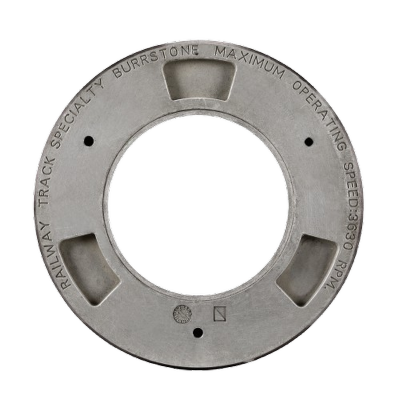
Consumables are the least visible part of this chain and one of the most consequential. A rail grinding wheel has to match the machine's mounting and drive format, the steel it is cutting — 60 kg/m and 75 kg/m rail in U71Mn, U75V and U78CrV grades on Chinese networks — and the removal rate the programme demands. Chinese manufacture now covers this market: the national standard for bonded abrasive rail grinding wheels, JB/T 11431, is a Chinese standard, and the current edition dates from 2020.
What These Trends Mean for Rail Operators
Read together, these trends imply a specific set of actions for anyone responsible for track condition.
Measure the finished surface, not the operation. Move acceptance from "the grinder ran" to "the profile is within tolerance", using quantified indices where available and the five classic acceptance measurements where they are not.
Treat grinding as a scheduled programme, not a response. Tonnage-based intervals prevent the defect population from developing in the first place; defect-triggered grinding manages what has already happened.
Protect the difficult locations explicitly. The mainline increasingly takes care of itself. Turnouts, tight-radius curves, welds and transition zones are where the cost concentrates and where generic parameters cause the most damage.
Specify consumables against the rail, not against the machine alone. Head-hardened and microalloyed rail behaves differently from standard carbon rail under the wheel, and the cost difference between a matched and an unmatched wheel is paid in track time, not in the purchase price.
Assume windows will keep getting shorter. Every trend above points the same way: more traffic, more double track, more competition for access. Tooling and method chosen for speed and consistency under a fixed window is worth more over a year than tooling chosen on unit price.
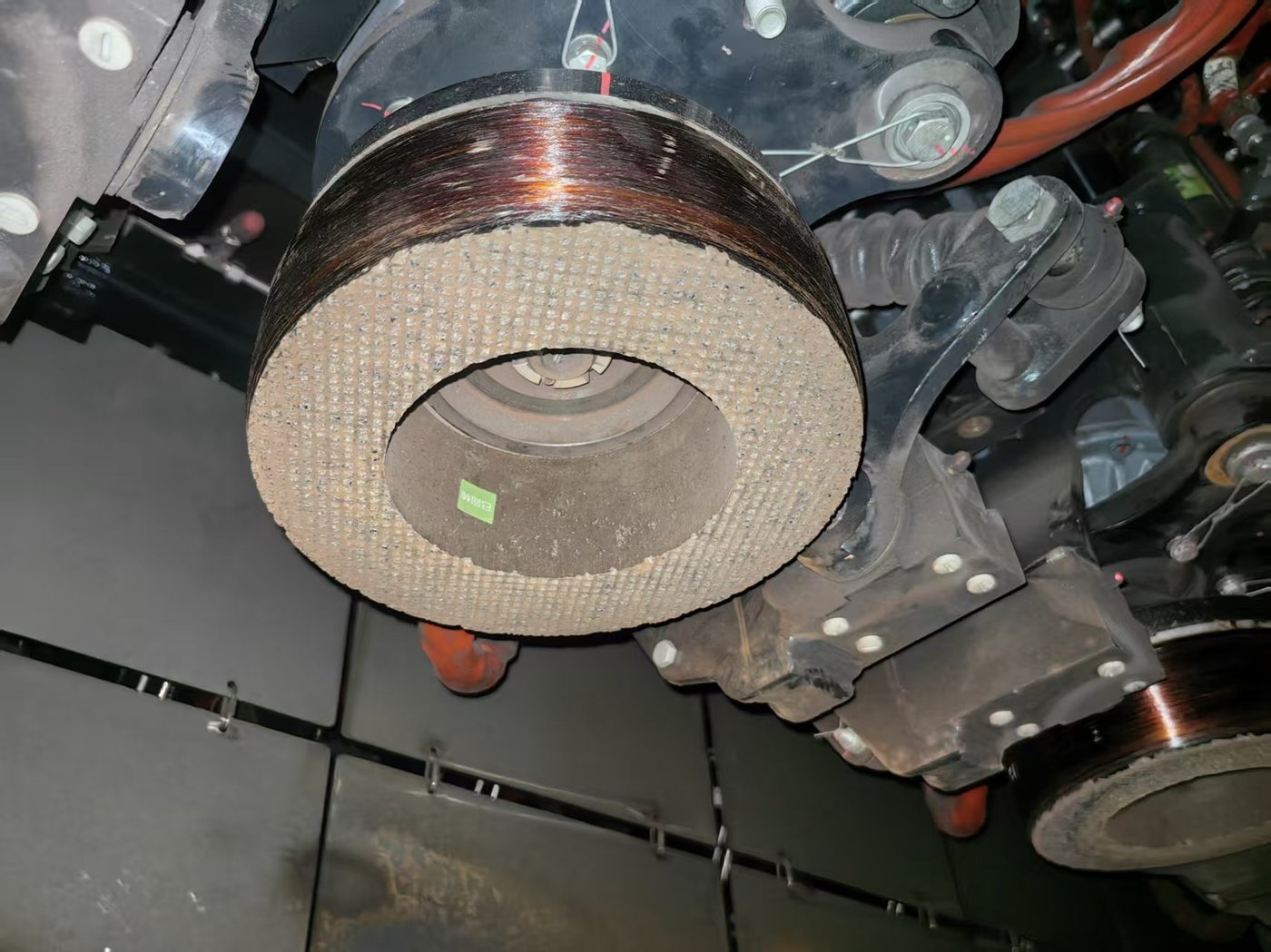
Where RailwayCare Fits in the Railway Industry
RailwayCare manufactures bonded abrasive rail grinding wheels for the machines that maintain track, and has done so alongside the operators and contractors who use them. The company took part in drafting JB/T 11431, the Chinese national standard for rail grinding wheels, and its Molaton brand supplies wheels matched to the mounting and drive formats of the main machine families in service, including Mecno, Speno and CRRC GMC, Harsco PGM and GMC, and Loram grinders, with dimensions specified per machine rather than per generic profile. Supply outside China runs through our global partnership network.
The fit with the trends above is straightforward. When networks are asked to hold more traffic on track that is renewed on longer cycles, the grinding programme becomes the main instrument available, and the wheel is where that programme is executed. Product that holds its form across the interval and removes metal at a predictable rate is not a consumable purchase; it is what makes a grinding plan survive contact with the schedule.
The full scope of what we supply for track work is set out in our rail maintenance solution overview. If you are specifying grinding wheels for a particular machine family, or reviewing a grinding programme against profile acceptance criteria, we are happy to work from your machine specification and your track conditions.
WhatsApp: +86 15072332788
Email: simon.wang@railwaycare.com
What are the main railway industry trends in 2026?
Three: traffic growth concentrated in Asia while European freight volumes decline; network expansion slowing sharply against the asset base already in service; and maintenance spending rising as a share of rail investment as a result. The through-line is that the industry's centre of gravity has moved from building track to keeping track in condition.
Is the rail maintenance market growing?
The more reliable way to answer that is to look at what operators are spending and on what, rather than at market forecasts, which vary widely between sources. On that basis the direction is clear: in the largest market, urban rail construction investment has fallen about 35% from its 2020 peak while operating mileage has continued to grow by roughly 900 km a year. When the asset base grows and the construction pipeline narrows, maintenance, renewal and condition work absorb a larger share of expenditure. What is genuinely uncertain is the pace, not the direction.
How fast is rail traffic growing compared with network length?
Faster, and on most large networks by an order of magnitude. UIC's provisional 2025 figures show global passenger traffic up around 4.5% and freight up about 2%. China commissioned 3,109 km of new line in 2025 against a network of 165,000 route-km — under 2% of the existing total in a single year. Traffic growth of 2% to 4% applied to the whole network therefore outweighs new construction several times over in terms of the load the existing track has to carry.
Why does electrification matter for rail maintenance?
Because electric traction changes what the track has to do. Return current flows through the running rails, so the track, the fastenings and the insulating components become part of an electrical circuit in addition to a mechanical structure, which introduces failure modes that do not exist on diesel-worked lines. Electrified networks also tend to carry higher traffic densities, and higher density means more wheel passes per kilometre per year — the single most direct driver of rail wear and corrugation.
What is condition-based track maintenance?
It is maintenance scheduled against the measured condition of the asset rather than against a fixed calendar or a fixed tonnage. In practice it means continuous or frequent measurement of track geometry, rail profile and defect population, feeding a decision about when and where to intervene. Its value is that it concentrates work where it is needed instead of applying the same treatment uniformly — but it depends entirely on the reliability of the measurement, and it works best when the interventions it triggers, such as rail grinding, have acceptance criteria that can be measured in the same way.
Where is rail investment growing fastest?
Asia, and specifically the heavy-haul and high-speed segments rather than metro construction. Indian Railways recorded passenger growth of 7.7% and freight growth of about 2.6% in 2025, and China added 2,862 km of high-speed line in a single year. In transit, the growth has moved from conventional metro to medium-capacity systems such as suburban express rail, whose share of new operating mileage in China rose to about 12%. The pattern is consistent: capital is following traffic density and freight tonnage rather than network footprint.