What are the differences between hot-pressed and cold-pressed rail grinding wheels?
What are the differences between hot-pressed and cold-pressed rail grinding wheels?
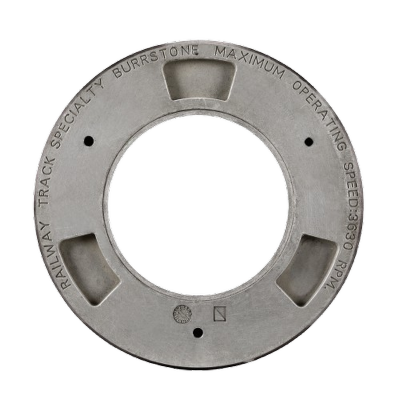
Hot-pressed wheels are manufactured at 160-200 C and 15-30 MPa, producing denser wheels (2.4-2.8 g/cm3) with 10-15% porosity and 20-30% longer service life—ideal for heavy-duty mainline grinding. Cold-pressed wheels cure at ambient temperature with 5-10 MPa pressure, yielding 20-30% porosity for cooler cutting in switch/crossing applications, with 15-25% lower unit cost. RailwayCare/Molaton manufactures both types with comprehensive quality testing.
Manufacturing Process Differences
Hot-pressing: Heated die molds at 160-200 C where abrasive-binder mixture is simultaneously compressed at 15-30 MPa and thermally cured. Resin cross-linking completes in 5-15 minutes per wheel, eliminating most voids and producing high-density wheels optimized for wear resistance. Cold-pressing: Room-temperature compression at 5-10 MPa into molds, followed by batch oven curing at 150-180 C for 12-24 hours. This preserves intentional porosity (20-30%) for natural coolant channels and chip clearance.
Performance Comparison
- Density: Hot 2.4-2.8 g/cm3 | Cold 1.8-2.2 g/cm3
- Porosity: Hot 10-15% | Cold 20-30%
- Wear Life: Hot 20-30% longer | Cold faster wear, cooler cutting
- Grinding Temperature: Hot 15-25 C higher at contact zone
- Surface Finish: Hot Ra 3.2-6.3 um | Cold Ra 6.3-12.5 um
- Unit Cost: Hot 15-25% higher | Cost/km ground: Hot 10-15% lower
- Best For: Hot—mainline 20+ MGT/yr | Cold—switches, crossings, tunnels, weld dressing
When to Choose Each Type
Choose hot-pressed when: Mainline tracks >20 MGT/yr; Loram/Harsco/Speno trains at 8-15 km/h; head-hardened premium rail (350-380 HB); maximum wheel life is priority (5-8 hr continuous on Loram C44, covering 40-80 km per shift).
Choose cold-pressed when: Switches, crossings, insulated joints (heat-sensitive); tunnels/enclosed areas (fire safety with lower sparks); surface finishing prioritizing quality over removal rate; manganese steel frogs (Hadfield, 200 HB initial/500 HB work-hardened) sensitive to grinding heat—higher porosity prevents rail surface temp exceeding 500 C (martensitic transformation threshold).
RailwayCare Manufacturing Capabilities
- Hot line: 500/1000-ton hydraulic presses with 160-200 C platens; 2000+ wheels/day
- Cold line: 300-ton presses with 200-unit batch ovens; ideal for smaller production runs
- Quality: Every batch hardness-tested (Rockwell B), density-checked (Archimedes), spin-tested at 1.5x speed
- Hybrid: Warm-pressing at 80-120 C available for intermediate porosity/density requirements
Related Questions
- Why is ZA the preferred abrasive?
- How to choose the right grinding wheel?
- What causes premature wheel wear?
- How often should wheels be replaced?
Are you looking for a reliable manufacturer of railway grinding and track maintenance equipment?
We can quickly provide customers with market analysis, technical support and customized services.
Safe Tracks Proven by China
- Name
- Phone
- *Title
- *Content