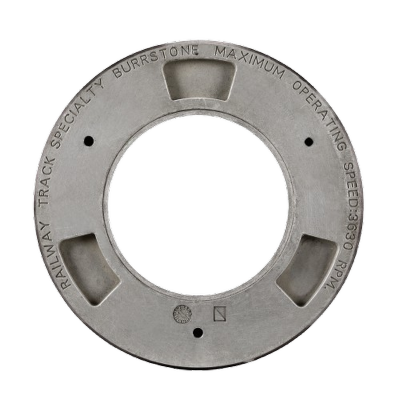
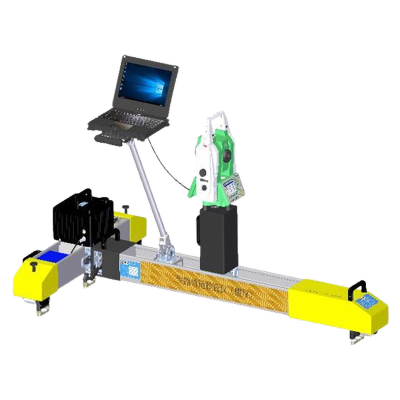
Zirconia alumina (ZA) is the most technically sophisticated abrasive grain used in railway grinder wheel manufacturing. Its defining characteristic — self-sharpening behavior through controlled micro-fracturing — enables a level of grinding performance that conventional abrasives like brown fused alumina and silicon carbide cannot match. But understanding how this property works, and how it interacts with the bond system in a hot-pressed railway grinder wheel, is essential for making informed procurement decisions.
What Makes Zirconia Alumina the Preferred Grain for Premium Railway Grinder Wheels
Zirconia alumina is a composite abrasive consisting of aluminum oxide (Al₂O₃) and zirconium oxide (ZrO₂), typically in ratios of 60:40 to 75:25. The two-phase structure — with tiny zirconia crystallites dispersed within an alumina matrix — creates internal stress boundaries that fracture in a controlled manner under grinding pressure.
This is fundamentally different from the brittle fracture behavior of brown fused alumina, where grains shatter into large fragments with unpredictable cutting edge geometry. Zirconia alumina's micro-fracturing mechanism ensures that every fracture event produces a fresh, sharp cutting edge — effectively self-sharpening the railway grinder wheel's working surface throughout its service life.
The Science of Self-Sharpening: How Zirconia Alumina Grains Prolong Railway Grinder Wheel Life
The self-sharpening mechanism operates through a four-stage cycle during grinding:
- Initial contact: A fresh zirconia alumina grain contacts the rail surface with a sharp cutting edge. The grain penetrates the rail steel and begins chip formation.
- Edge dulling: As grinding continues, the cutting edge wears and flattens. The force required to maintain material removal increases.
- Micro-fracture initiation: At a critical load threshold — which is lower than the force needed for complete grain pullout — micro-cracks form along the internal grain boundaries between the alumina matrix and zirconia dispersoids.
- Fresh edge exposure: The micro-cracks propagate along the grain boundaries, causing the worn edge region to fracture away, exposing a fresh, sharp cutting surface beneath.
This cycle repeats continuously throughout the railway grinder wheel's service life. A single zirconia alumina grain can undergo dozens of micro-fracturing events before it is finally consumed or ejected from the bond.
Comparison: Zirconia Alumina vs Brown Fused Alumina vs Silicon Carbide
Each abrasive grain type produces different behavior in a railway grinder wheel:
| Property | Zirconia Alumina | Brown Fused Alumina | Silicon Carbide |
|---|
| Self-sharpening | Yes (micro-fracture) | Limited (macro-fracture) | No (brittle) |
| Hardness (Knoop) | ~1,600 | ~2,000 | ~2,500 |
| Toughness | High | Medium | Low |
| Heat generation | Low | Medium | High |
| Typical wheel life | 39.8 km | 18–22 km | 12–15 km |
| Best suited for | Rail steel | General metal | Cast iron/non-ferrous |
Molaton Hot-Pressed Zirconia Alumina: The Synergy That Delivers Superior Results
The combination of zirconia alumina abrasive grains with hot-pressed bond technology creates a railway grinder wheel where each component enhances the other:
Grain Retention
Hot-pressed bonding provides stronger grain-to-bond adhesion than cold pressing. This means each zirconia alumina grain remains in place longer, undergoing more micro-fracturing cycles before being ejected.
Controlled Bond Erosion
The precise bond density achieved by hot pressing ensures that as grains wear, the bond erodes at a rate that matches the grain fracture frequency — never too fast (premature grain loss) or too slow (glazing).
Porosity Optimization
Hot pressing allows pore structure to be designed independently of grain content. Proper porosity ensures that micro-fractured grain fragments are efficiently evacuated from the grinding interface, preventing clogging.
Field Validation: Shuohuang Railway 20,000 km Grinding Case Study
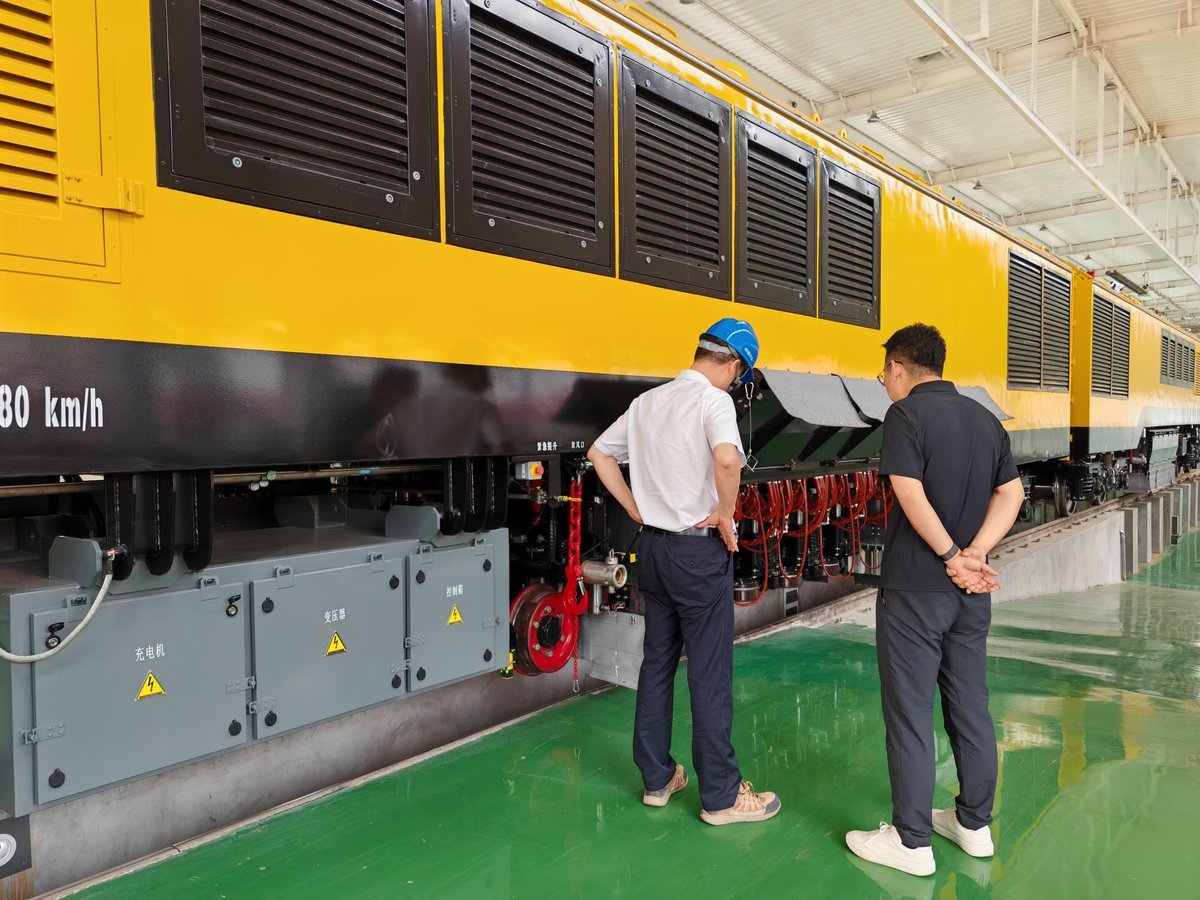
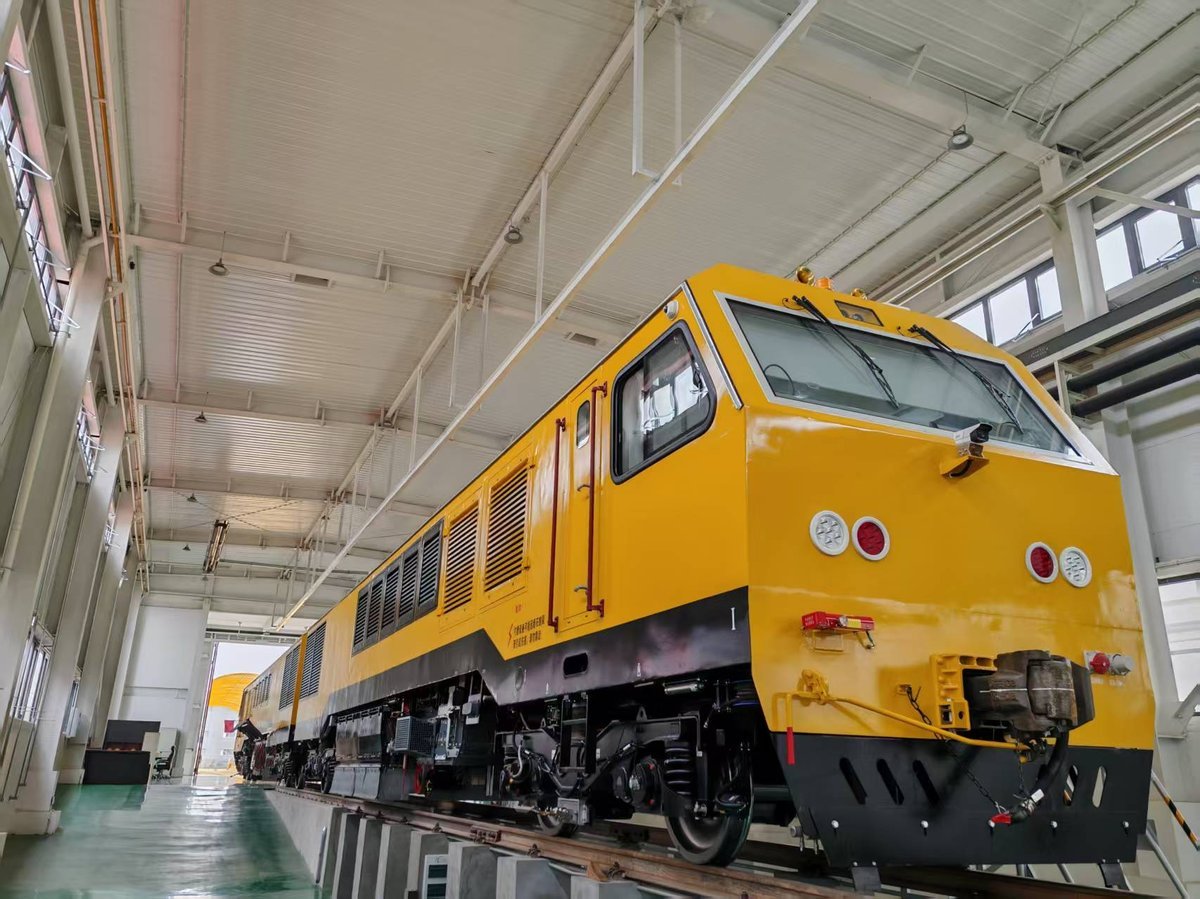
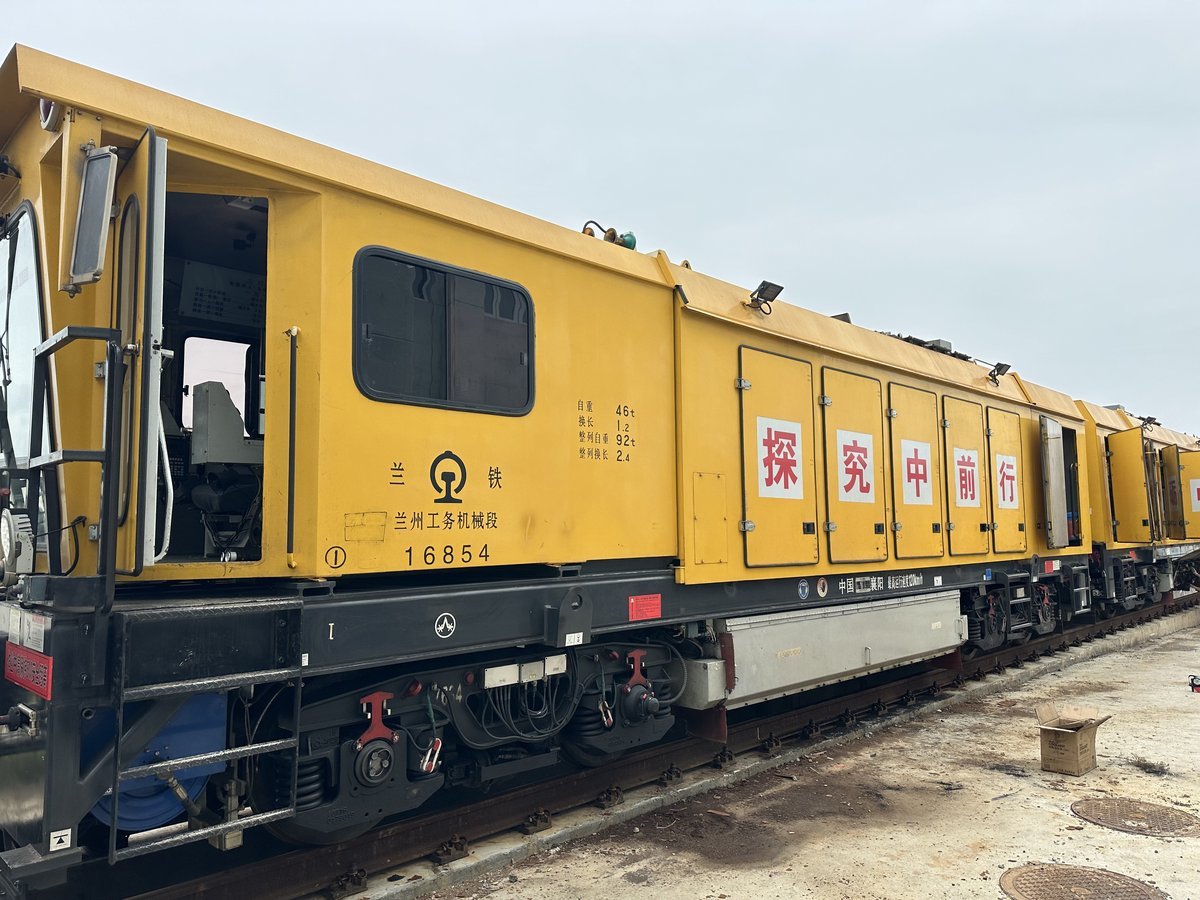
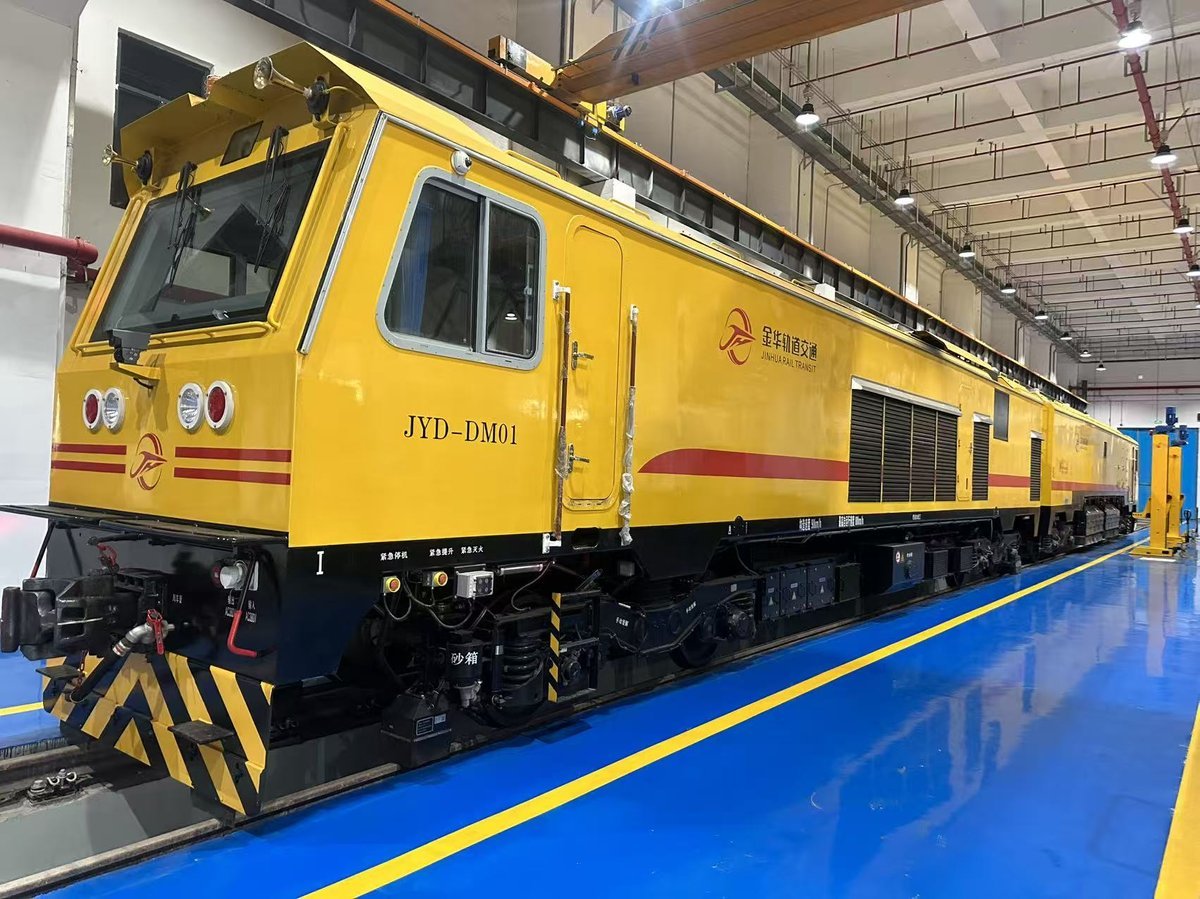
The most compelling evidence for zirconia alumina's self-sharpening advantage comes from the Shuohuang Railway (朔黄铁路), a 594 km heavy-haul coal transport corridor where Molaton hot-pressed zirconia alumina railway grinder wheel products were deployed on Harsco 96 grinding vehicles:
- Project scope: 20,000 km total grinding distance
- Equipment: Harsco 96-head grinding vehicle
- Average wheel life: 39.8 km/wheel
- Average Ra: 6.2 μm
- Burn incidents: Zero
- Cost savings vs imported: 30–50%
The self-sharpening behavior of zirconia alumina was the critical factor in maintaining consistent Ra values across the full 20,000 km campaign without requiring mid-project wheel specification changes.
Thermal Management: Why Zirconia Alumina Stays Cooler During Grinding
One of the most valuable properties of zirconia alumina in railway grinder wheel applications is its lower heat generation compared to other abrasive grains. The micro-fracturing mechanism produces smaller, finer chips than the macro-fracturing of brown fused alumina — and smaller chips carry away less frictional heat.
Lower grinding temperature means:
- Reduced risk of rail surface burning (white layer formation)
- Less thermal softening of the rail surface
- Better preservation of the rail's pre-existing heat-treated hardness profile
This makes zirconia alumina the safest choice for grinding premium rails where maintaining the head-hardened layer is essential for long rail life.
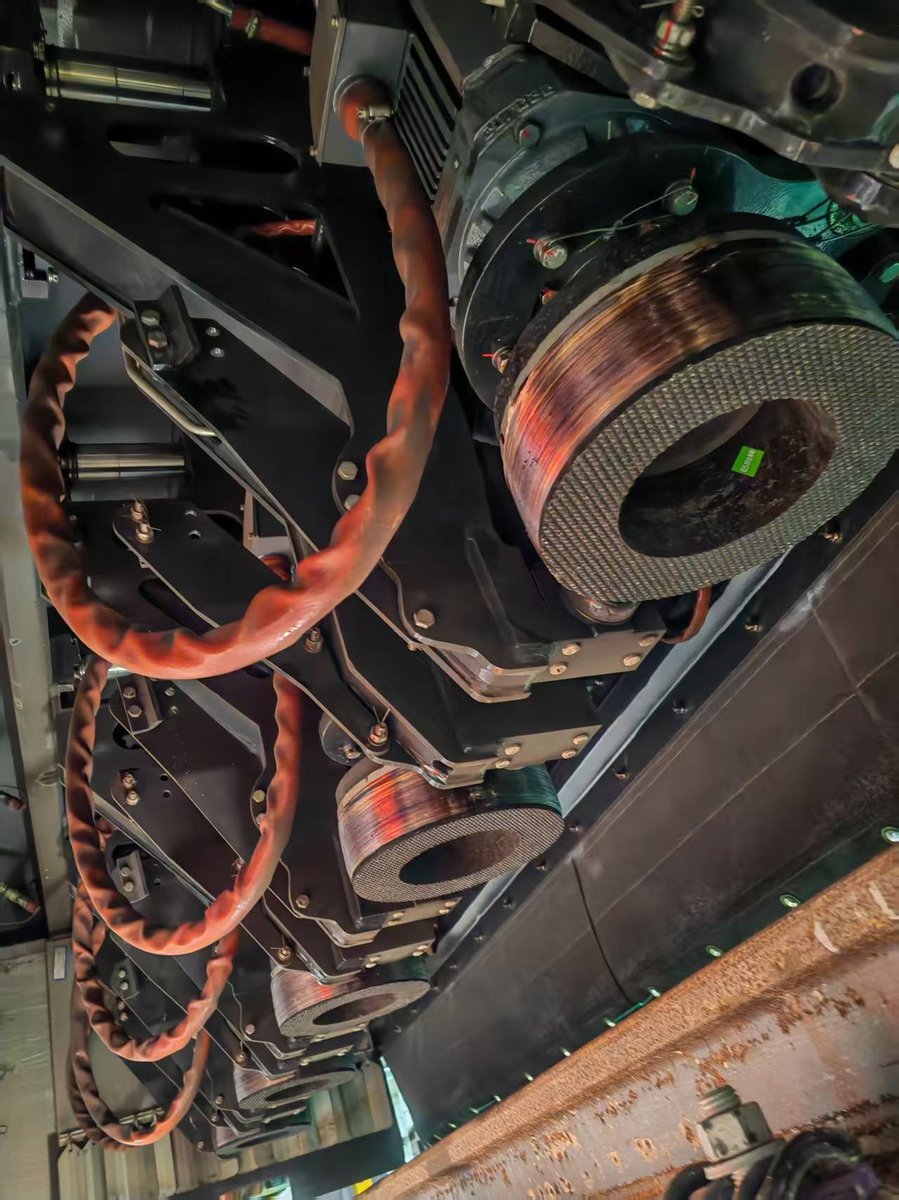
Cost-Benefit Analysis: Zirconia Alumina vs Lower-Cost Abrasive Alternatives
Despite its price premium over brown fused alumina (typically 40–60% higher raw material cost), zirconia alumina is the most cost-effective choice for rail grinding when evaluated on a total-cost-of-operation basis:
| Cost Factor | Zirconia Alumina | Brown Fused Alumina |
|---|
| Wheel unit cost | Higher | Lower |
| Wheels per 100 km grinding | ~2.5 | ~4–5 |
| Labor cost for wheel changes | Lower (fewer changes) | Higher |
| Track possession time per 100 km | Lower (fewer passes) | Higher |
| Total cost per km ground | 20–35% lower | Baseline |
For any grinding operation where track possession time has monetary value, zirconia alumina railway grinder wheel products deliver the lowest total cost.
Selecting the Right Zirconia Alumina Grade for Your Grinding Vehicle
Not all zirconia alumina railway grinder wheel products are the same. Key differentiators include:
- Grain size distribution: Coarser grains for high-removal rough grinding; finer grains for finish passes
- ZA ratio: Higher ZrO₂ content (40%) for tougher applications; lower (25%) for general use
- Bond hardness: Softer bonds for portable machines; harder bonds for large grinding vehicles
- Porosity range: Higher porosity for heat-sensitive operations; lower for high-removal work
Molaton's engineering team can recommend the optimal zirconia alumina formulation based on your specific vehicle type, rail grade, and grinding objectives.
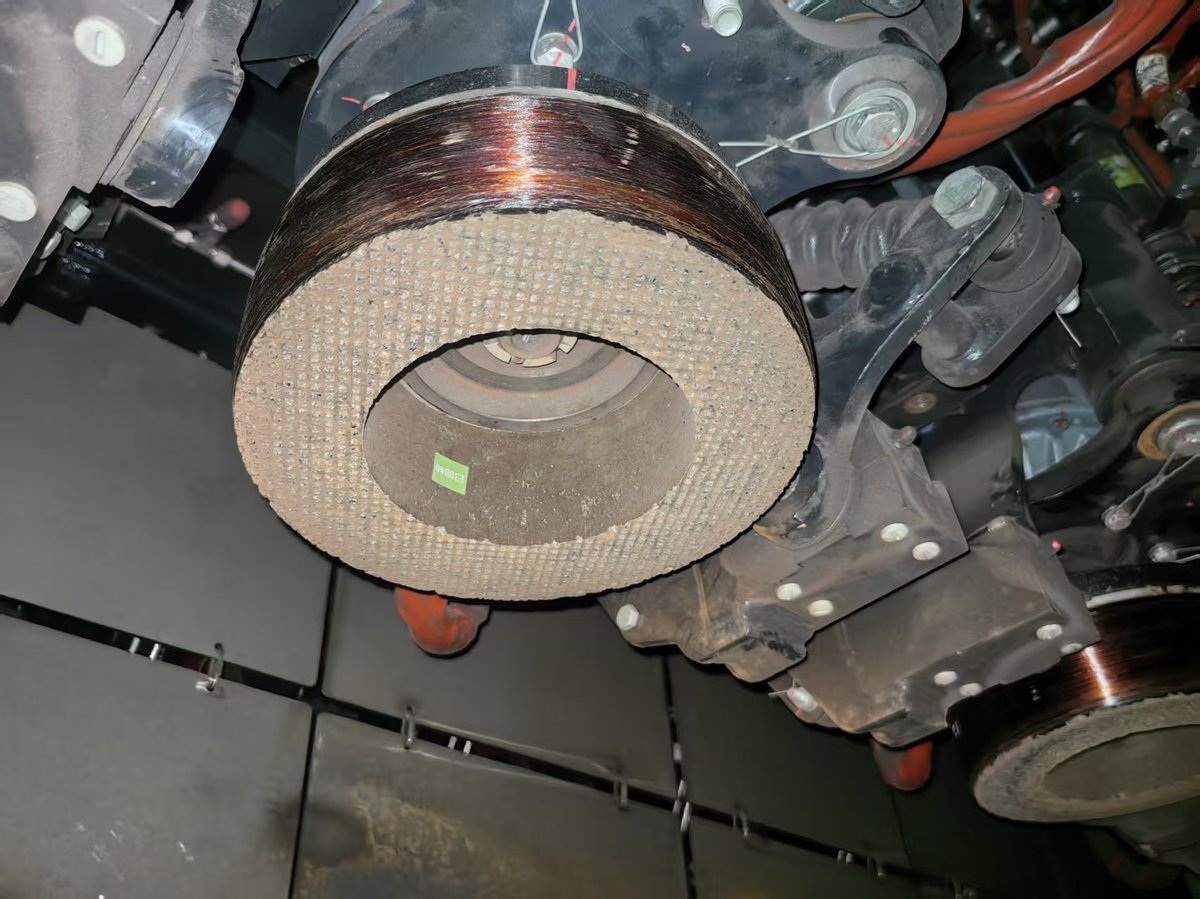
Conclusion: Zirconia Alumina Is the Definitive Choice for Premium Rail Grinding
The self-sharpening capability of zirconia alumina makes it the only rational choice for railway grinder wheel applications where quality, consistency, and total cost of operation matter. Its micro-fracturing behavior delivers the unique combination of high removal rate, excellent surface finish, and extended wheel life — a combination that no other abrasive grain system can match in the rail grinding application.
When combined with hot-pressed bond technology, as in Molaton's manufacturing process, the result is a railway grinder wheel that outperforms alternatives across every measurable dimension while delivering 30–50% cost savings compared to imported equivalents.
Additional Field Images: Molaton Railway Grinder Wheel in Action
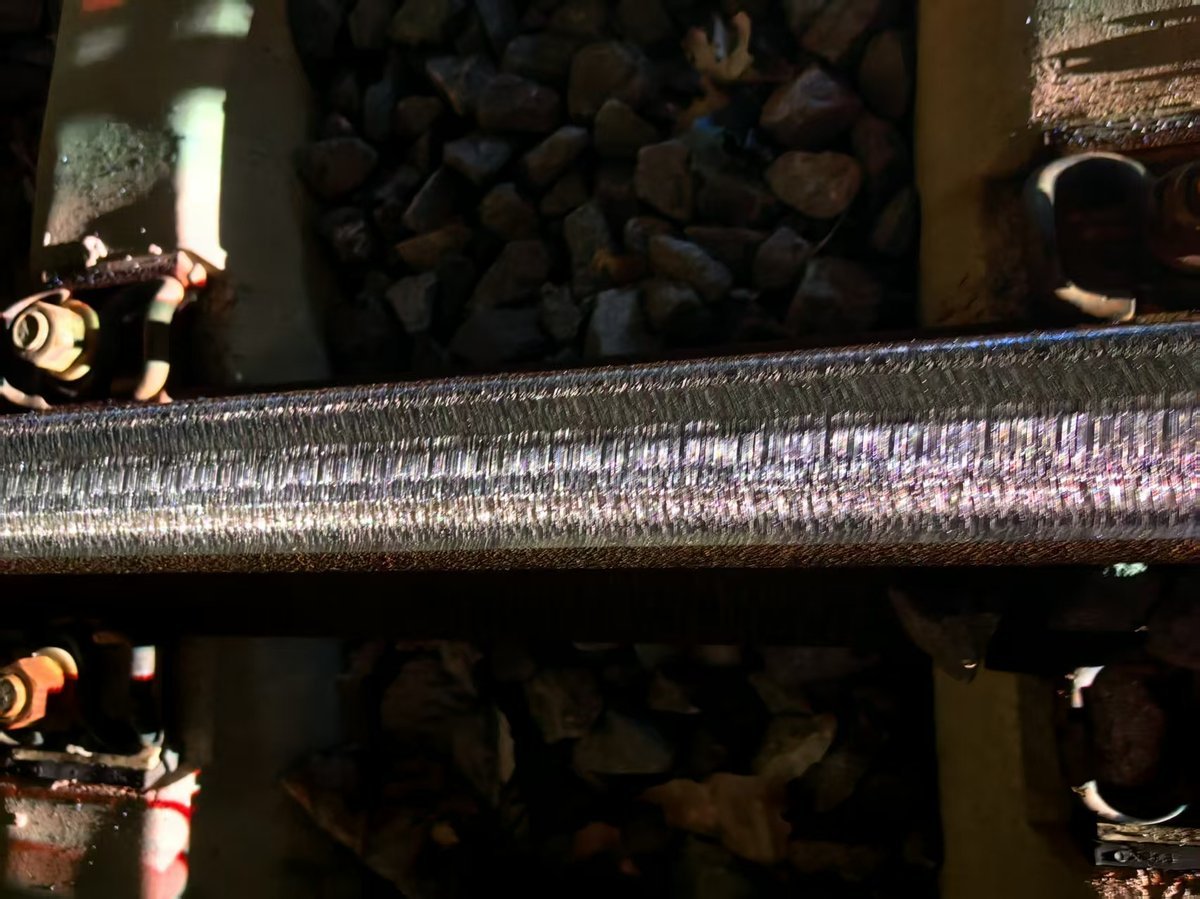
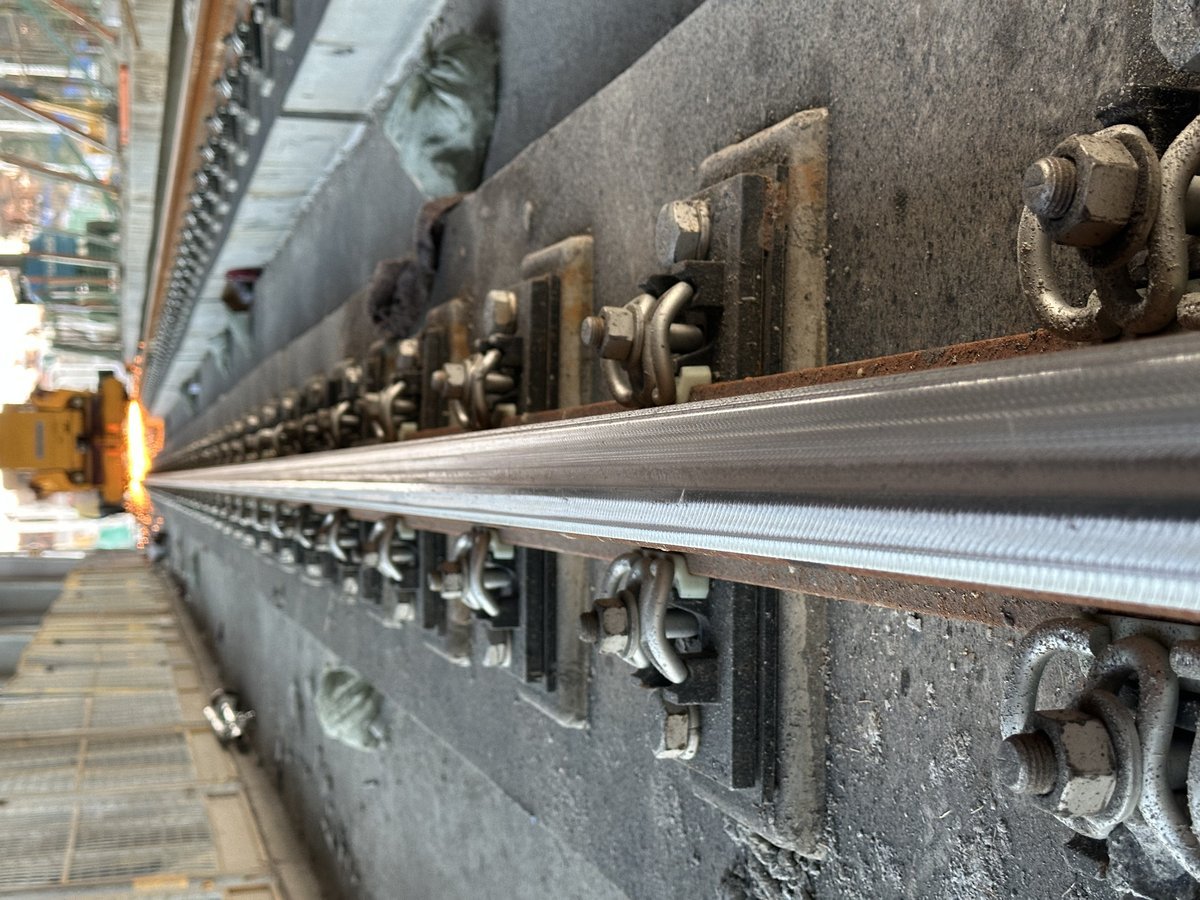
Additional photographs from Molaton's railway grinder wheel field operations and manufacturing, providing more visual evidence of product quality and grinding performance.
Contact RailwayCare today to learn how our expert rail grinding services can enhance the performance and safety of your railway infrastructure. Let us help you keep your trains running smoothly and safely.
•Product list page: www.railwaycare.com
• Email: simon.wang@railwaycare.com
• Phone : +86 15072332788
Your tracks are our priority. Choose RailwayCare for reliable rail maintenance and superior rail grinding expertise.
Contact Molaton for a free consultation and sample set to experience the self-sharpening advantage firsthand.
Request Free Samples →