What are rail defects? What are the solutions?
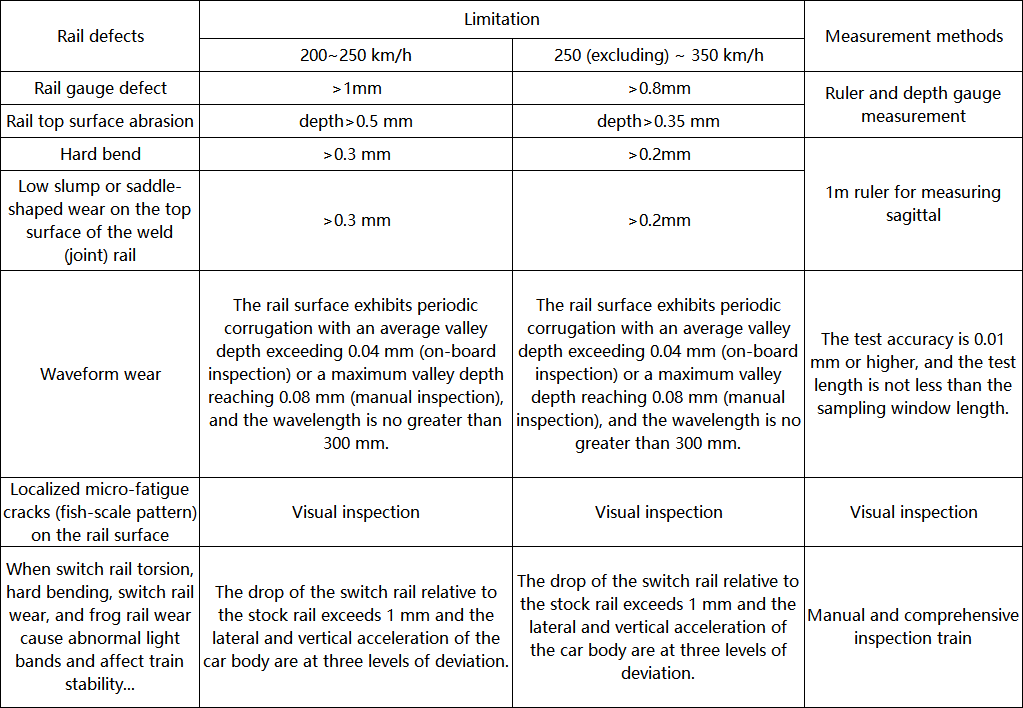
Limits of Rail Defect Treatment
Comprehensive Railway Repair
1:To prevent and treat rail defects, improve wheel-rail matching, and extend the service life of rails, rail repair work should be carried out properly.
2:When rails exhibit minor surface damage as shown in the table above, or other surface defects, they should be repaired promptly or non-destructive reinforcement should be applied.
3:When minor internal damage to the rail is found to be progressing, non-destructive reinforcement treatment should be adopted.
4:When reinforcing damaged areas, the damaged area should be placed in the middle of the splint as much as possible, and the splint must not come into contact with the weld bead.
5:The drilling location for rails should be on the center line of the bolt holes, and chamfering is mandatory. The clear distance between two bolt holes must not be less than twice the larger diameter of the hole. Any other trades requiring drilling or equipment installation on the rails must obtain approval from the railway bureau and entrust the engineering department with the construction work.
6:Welding repairs to rails are strictly prohibited. Flame cutting or burning holes in rails is strictly prohibited. Using choppers or other tools to forcibly cut or punch holes in rails is strictly prohibited. Hammering the bottom of the rails is strictly prohibited.
What Do Rail Defects Look Like?
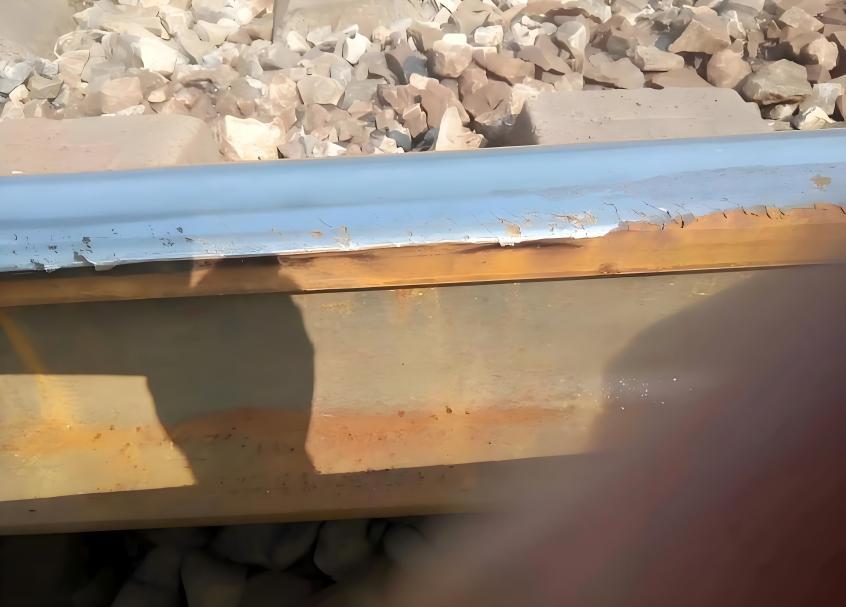
Rail gauge defect
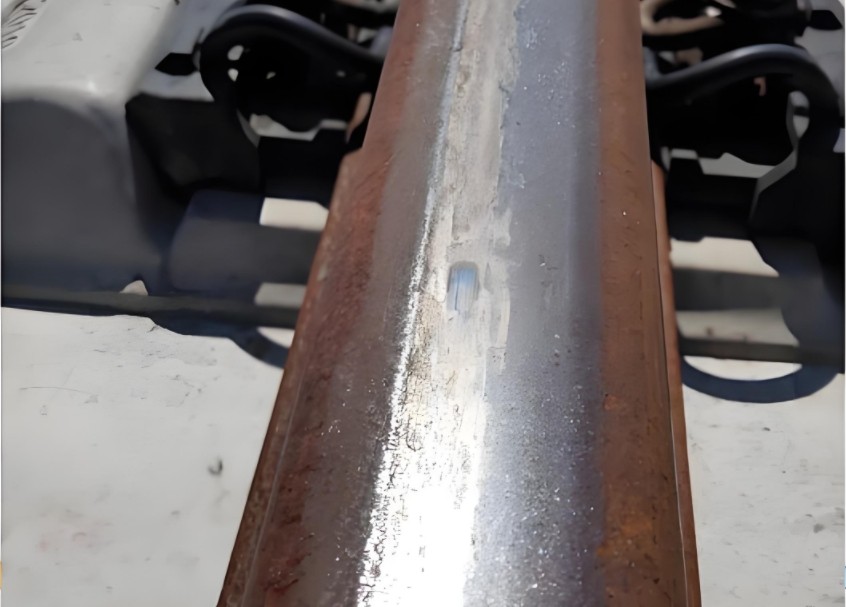
Rail top surface abrasion
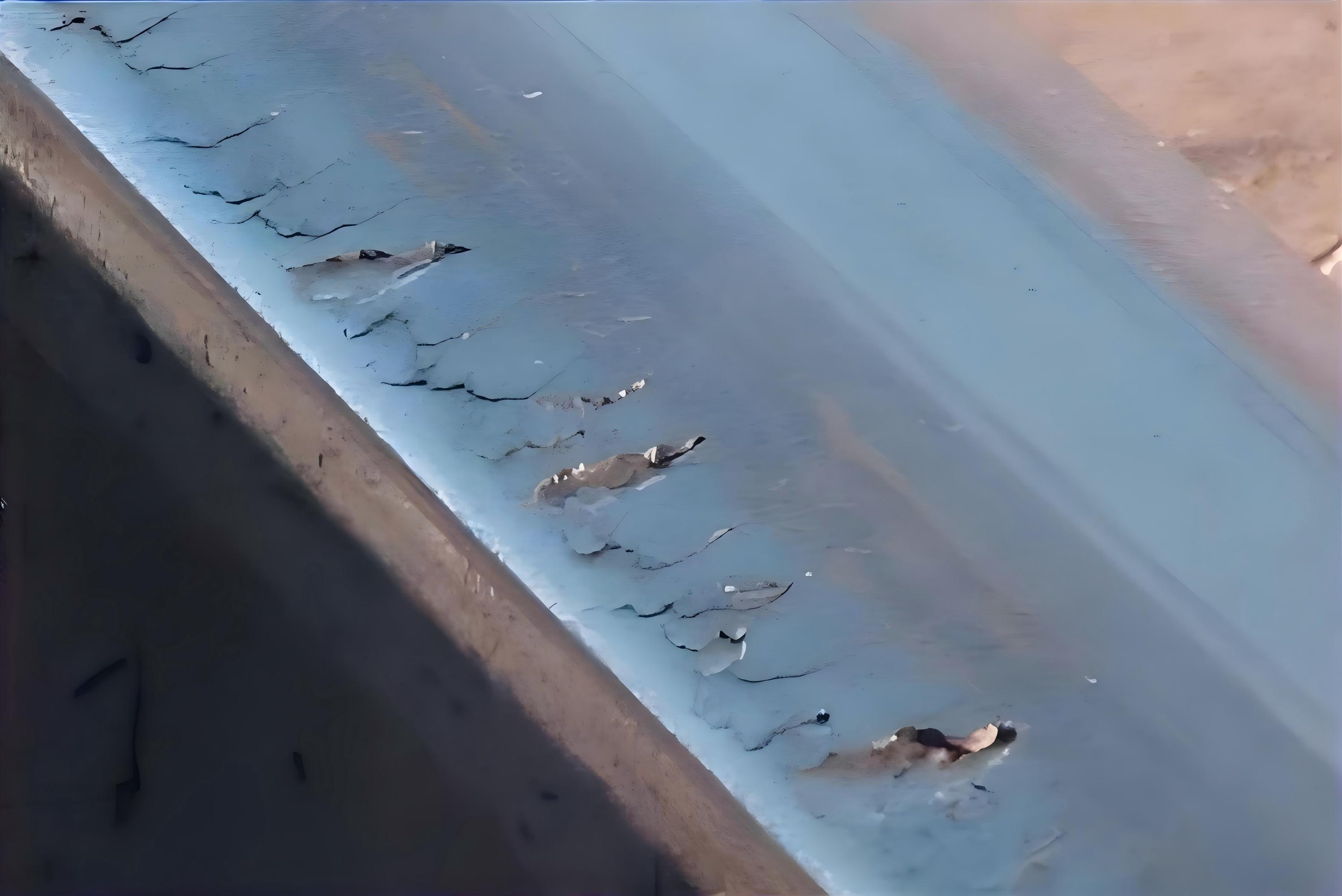
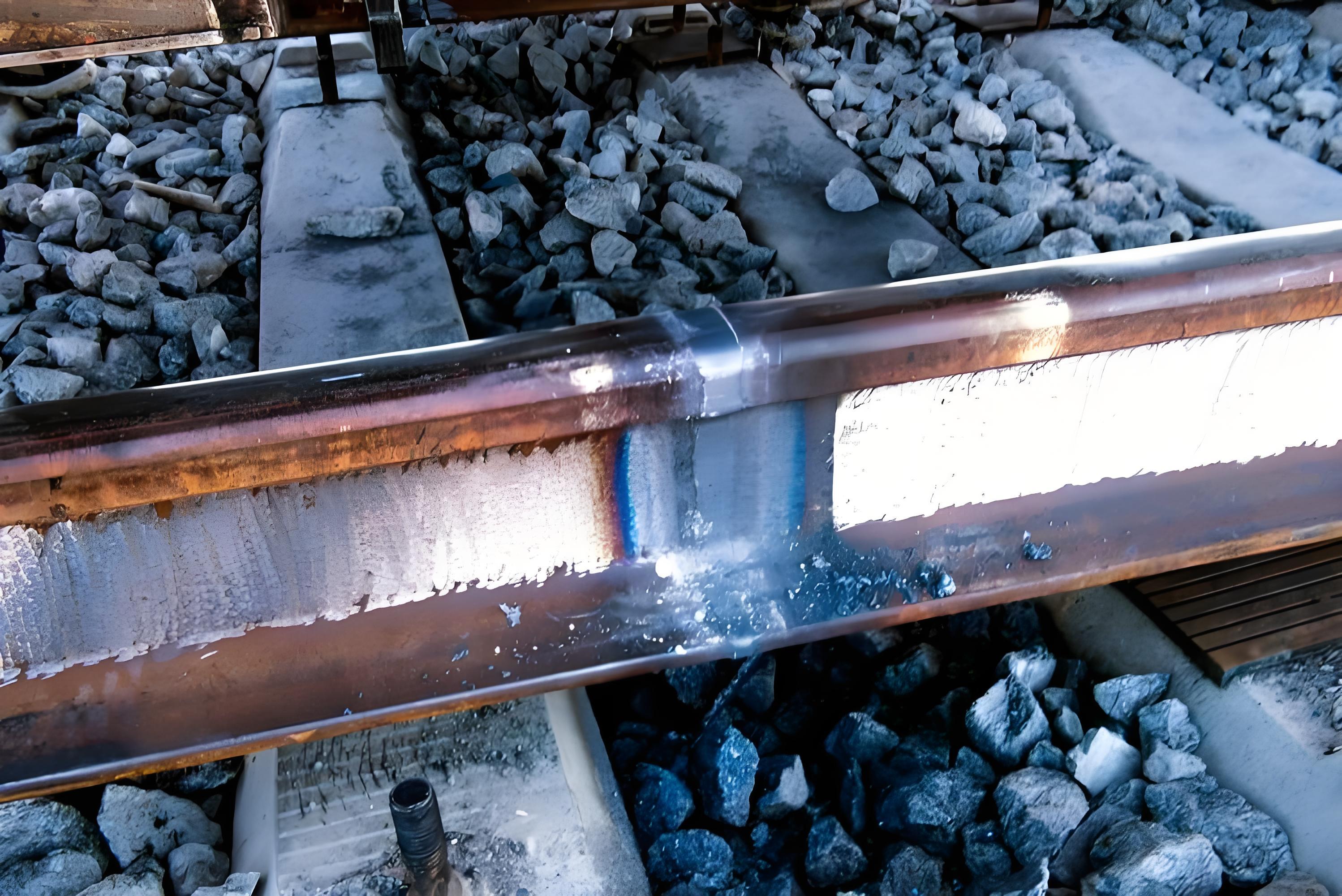
Fish scale pattern on rail surface
The top surface of the welded rail is low and collapsed.
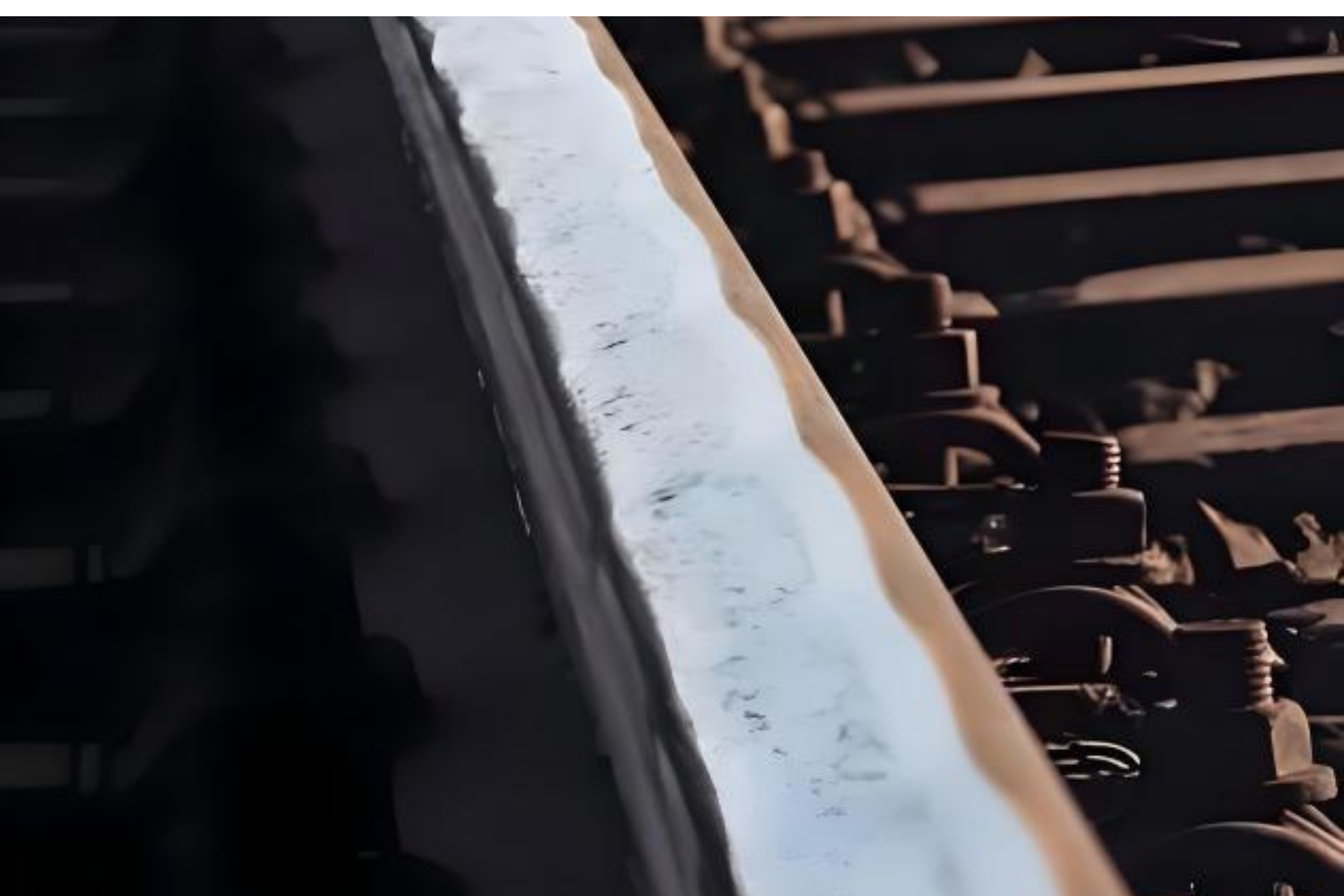

Corrugated wear
Hard bend
Treatment of Severe Rail Damage
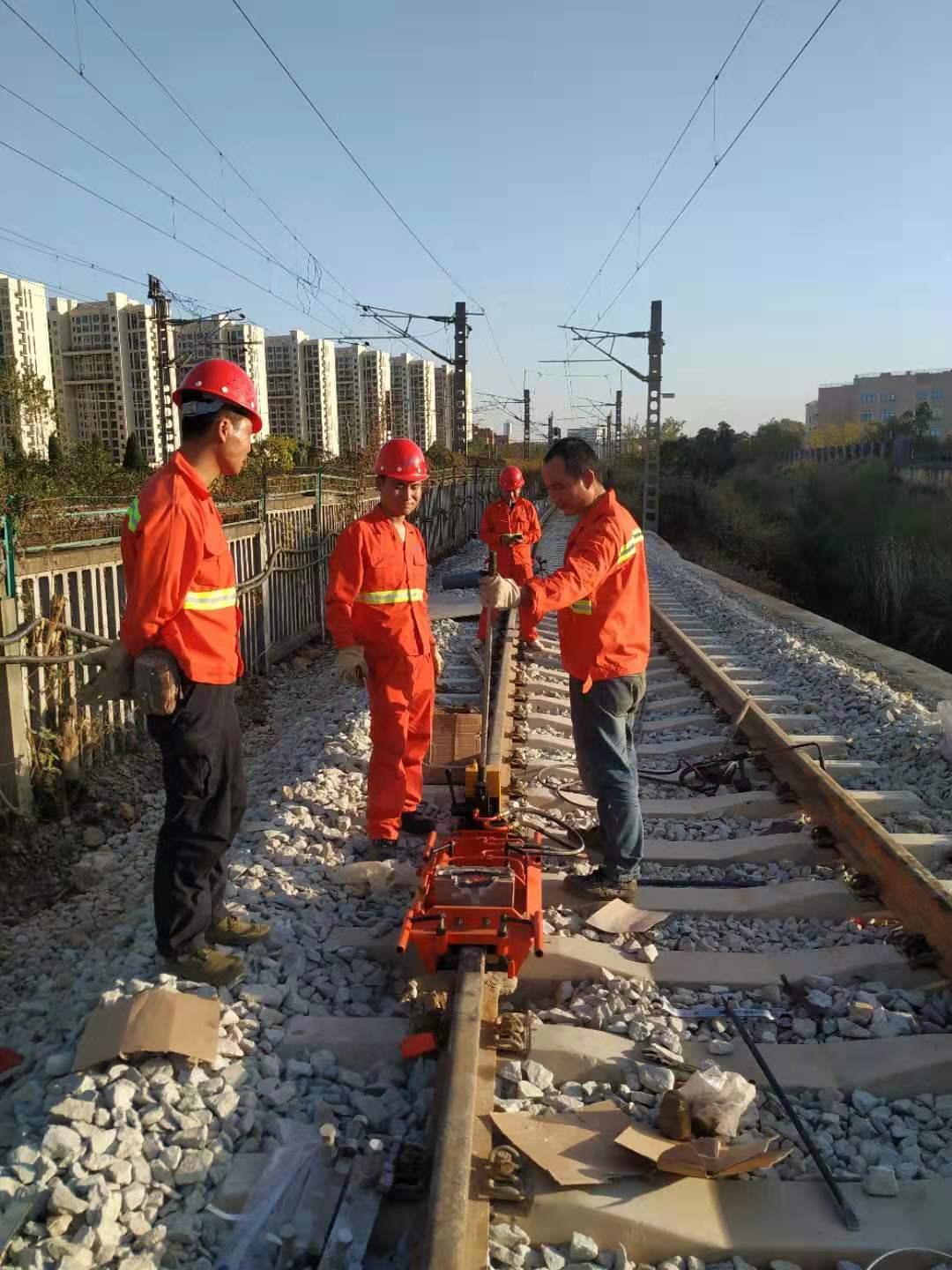
For rail core damage and severe weld damage, reinforcement treatment can be carried out, and permanent treatment should be carried out in a timely manner at a suitable temperature. Before implementing permanent treatment, inspection should be strengthened. If damage is found to be developing, emergency treatment, temporary treatment or permanent treatment should be carried out in a timely manner as if the rail is broken.
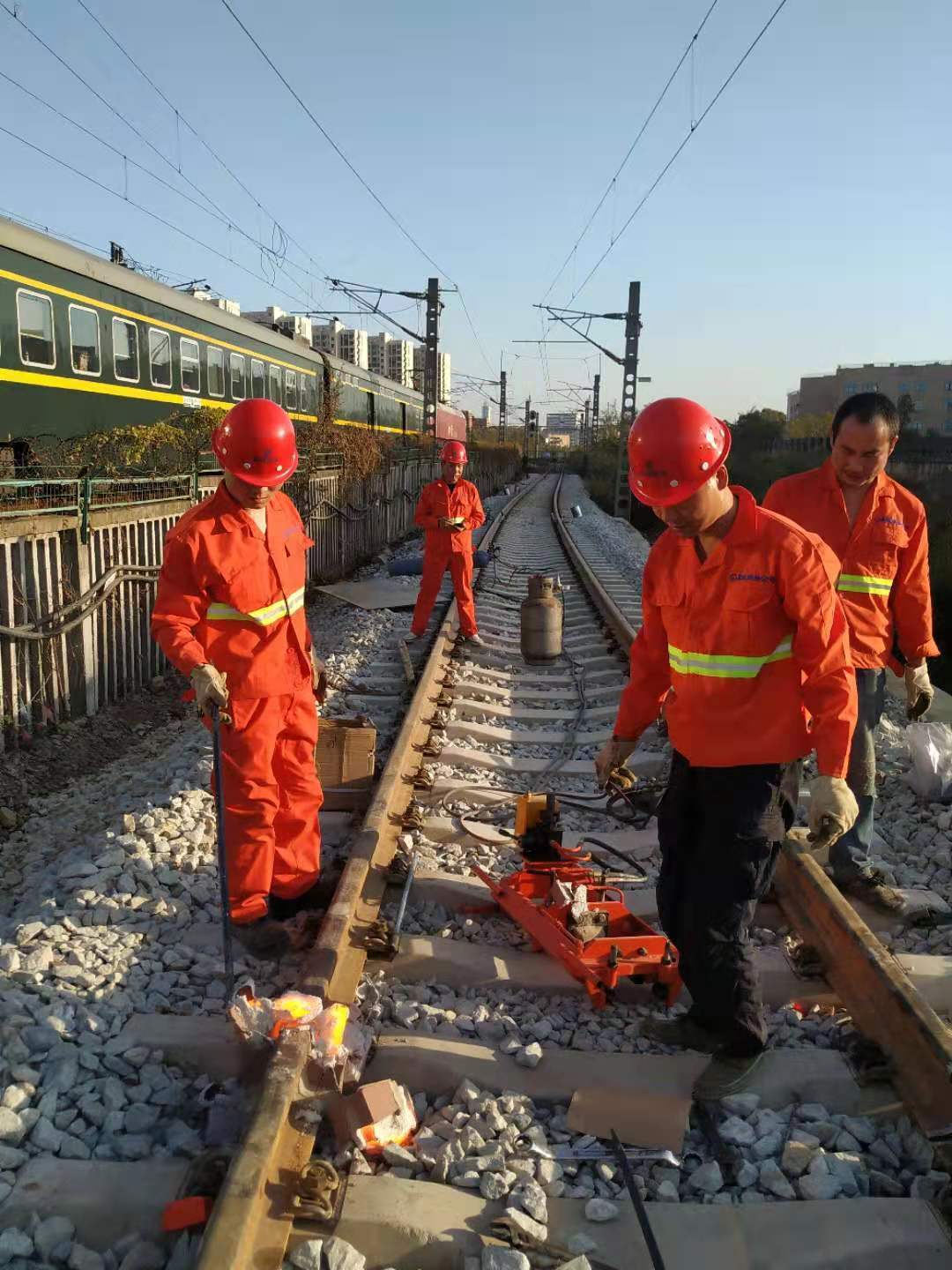
Cracks and serious damage that could cause the rail head to be exposed should be treated as rail breakage, with emergency, temporary, or permanent measures taken.
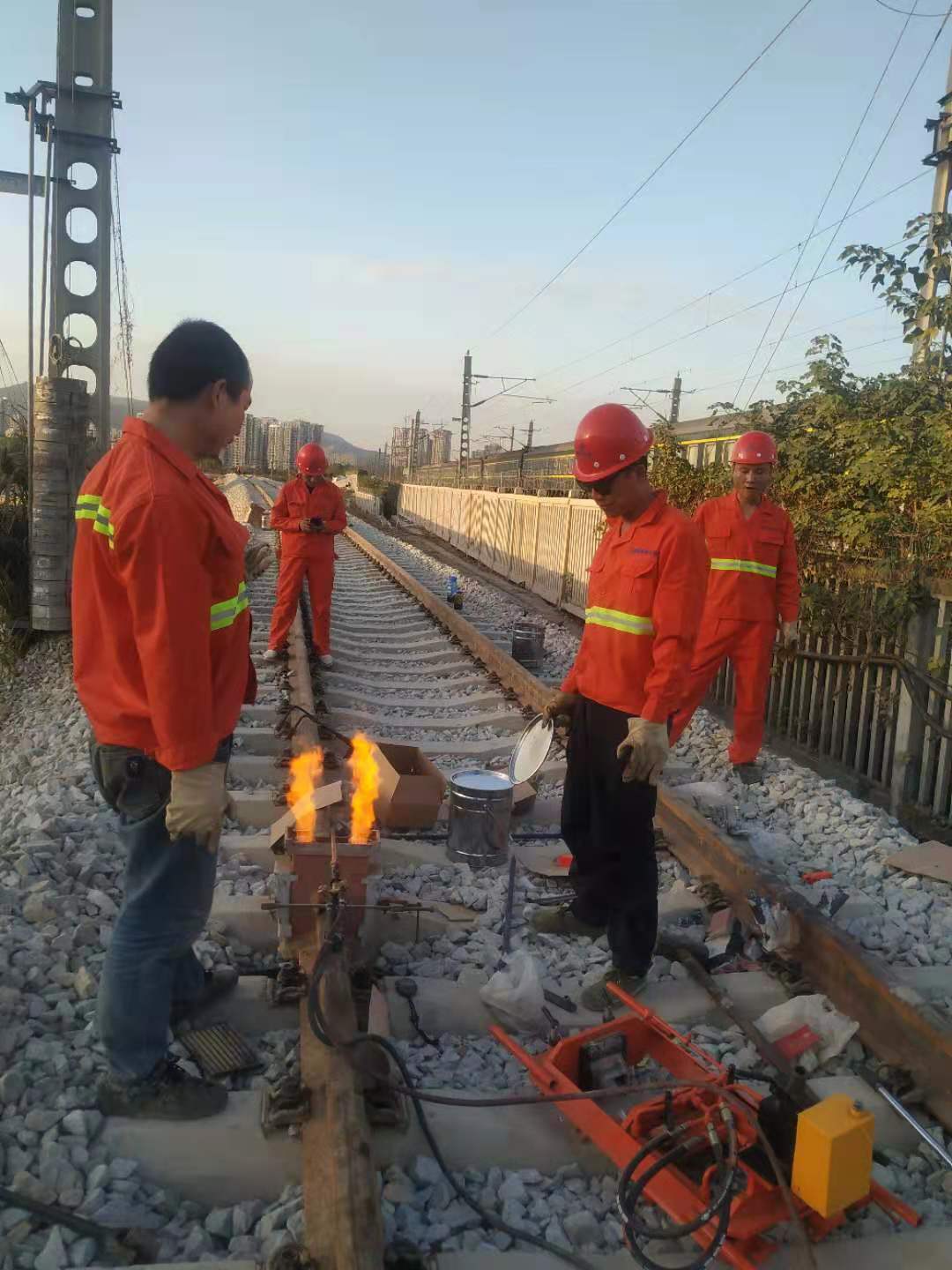
Other serious injuries can be treated by repair or welding. Before treatment, speed limit measures can be taken according to the actual situation on site.
In summary, rail defects such as thickened edges, corrugations, abrasions, cracks, corrosion, and uneven rail surfaces are not minor issues. In the short term, they exacerbate wheel-rail impacts, causing train jolting and reduced passenger comfort. In the long term, they continuously amplify wheel-rail wear, accelerate rail aging, and greatly increase the risk of rail breakage and derailment. Traditional manual grinding with angle grinders is inefficient, lacks precision control, and leads to recurring defects. This results in ever-increasing maintenance costs, requiring significant manpower and time, and makes standardized and stable maintenance difficult to achieve.
Railway Maintenance Solutions
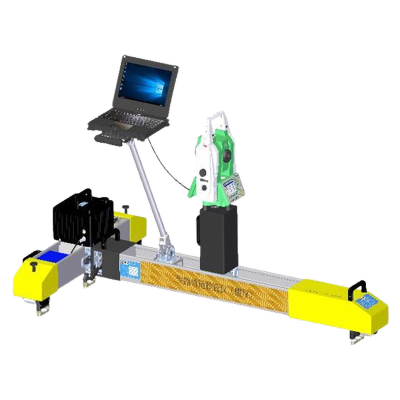
In simple terms, rail defects are essentially deformations of the rail surface profile, and manual repairs only address the symptoms, not the root cause. Instead of repeated patching, it's better to use professional rail maintenance equipment for a one-time, thorough repair. Our rail repair equipment is designed to efficiently resolve all of the above-mentioned rail defects, improving repair efficiency and reducing long-term track maintenance costs.
Email:scarlett.zhang@railwaycare.com