Rail Indentations on High-Speed Lines: Mechanisms, Risks, and the Grinding Protocol for Safe Operations
Beneath the high-speed trains, rails silently bear immense pressure. However, a seemingly minor "dent"—a rail indentation—can become a hidden threat to operational safety. An indentation is not natural wear but a mechanical injury formed by the instantaneous impact of a foreign hard object on the rail surface. Understanding and effectively managing this defect is crucial for ensuring the smooth and safe operation of high-speed rail.
I. What is a Rail Indentation? – The "Signature" of Foreign Object Impact
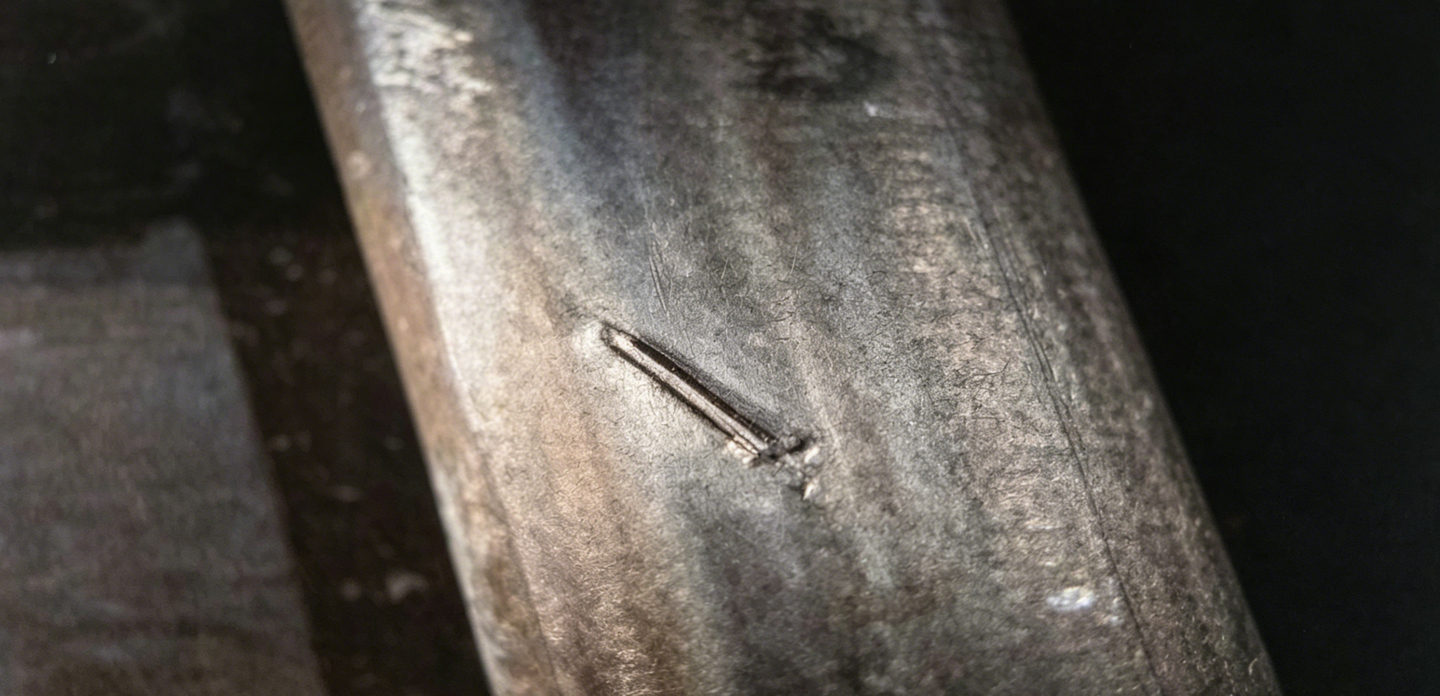
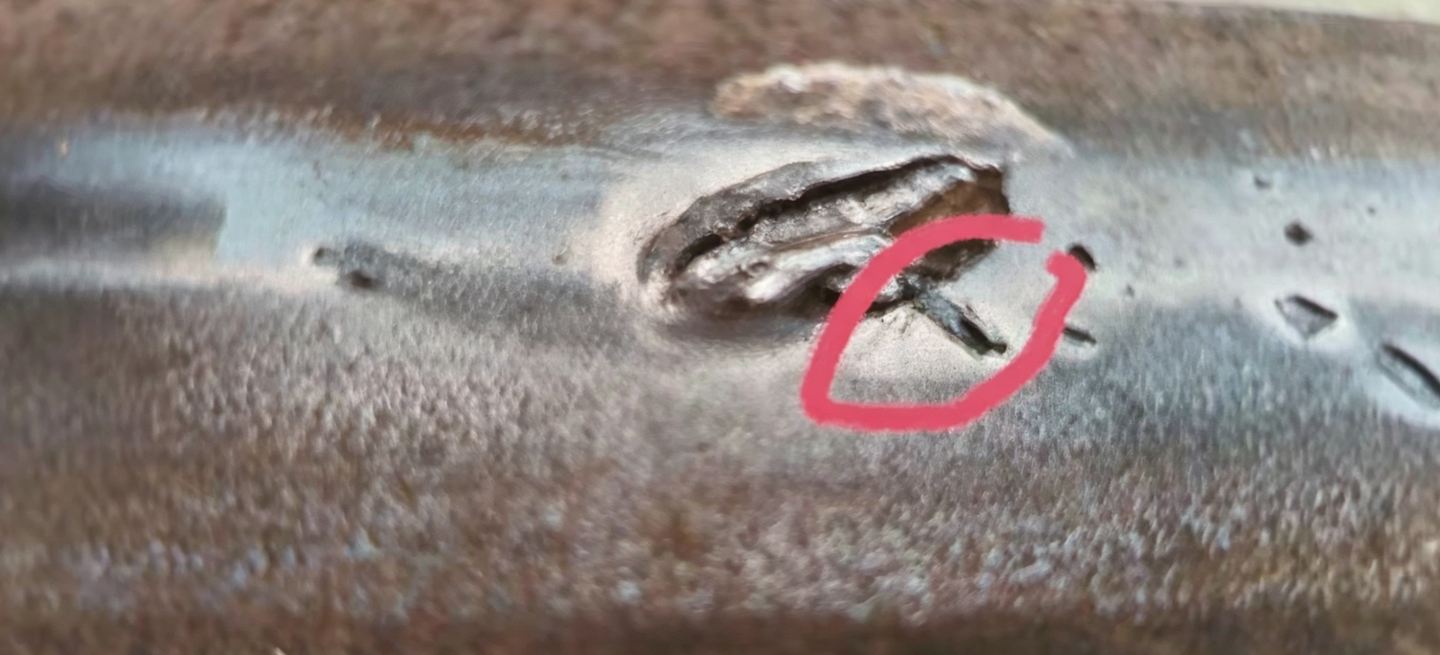
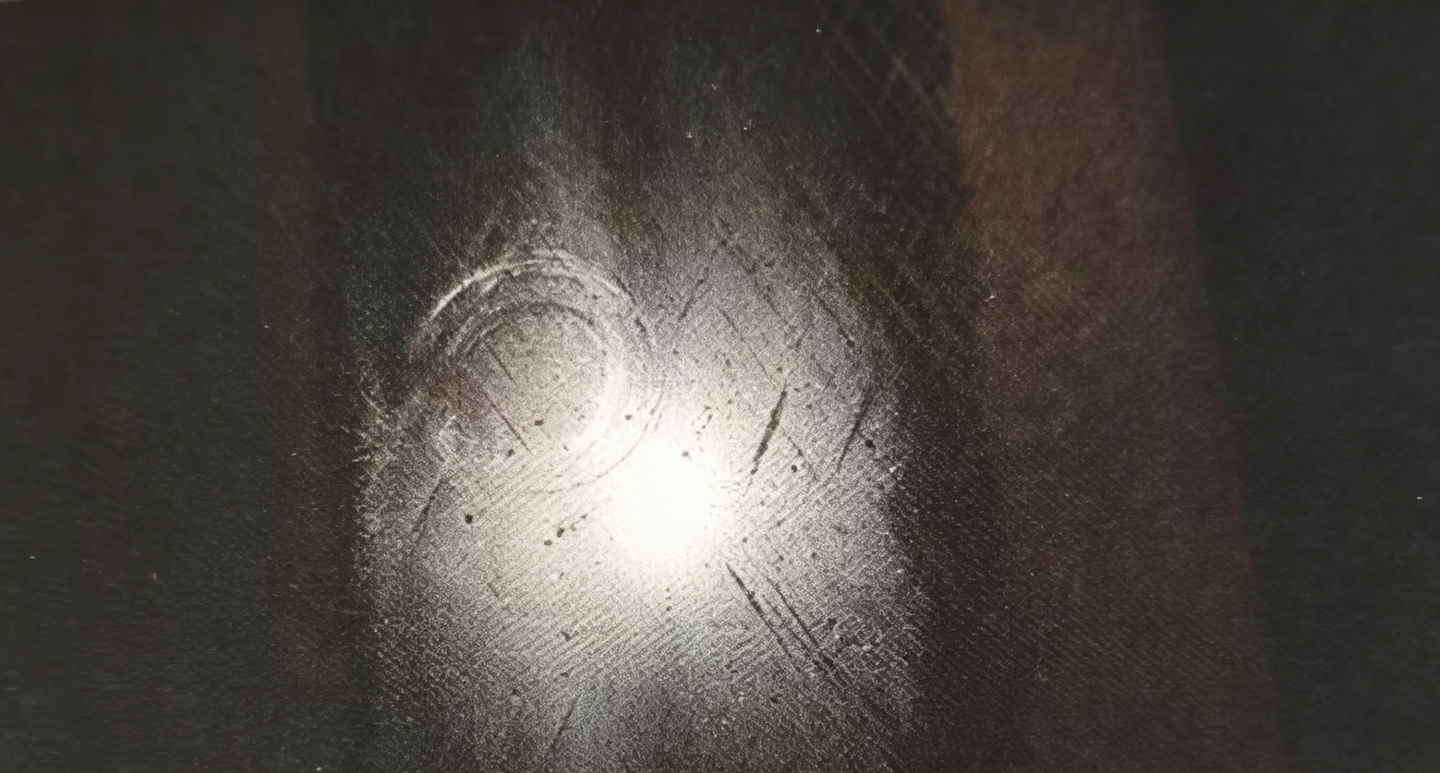
A rail indentation is a dent of a certain depth and regular shape formed on the rail surface when it is impacted by hard foreign objects. These objects can include track debris (such as dropped screws, concrete nails, or washers), spalled metal fragments from wheels or rails, or other components fallen from locomotives. Its characteristics are distinct:
● Regular Shape: The outline of the indentation typically matches the shape of the impacting object.
● Sharp Edges: The edges of the dent are often sharp, giving a noticeable "catching" feel.
● Periodic Distribution: Due to wheel rotation, indentations appear periodically along the same rail at intervals of approximately 2.8 to 3 meters (related to the wheel diameter). With repeated train passes, these dents gradually become shallower until they disappear, but the internal damage they cause remains a hidden risk.
II. The Hazards of Indentations: From Stress Concentration to Catastrophic Cracks
The true danger of an indentation lies in the localized stress concentration it creates. Research from Southwest Jiaotong University shows that the bottom of the indentation pit is the area of maximum equivalent plastic strain, while the edges are subjected to a dangerous tensile stress state. Under the cyclic loading of hundreds of thousands of high-speed train passes, this stress concentration becomes a breeding ground for fatigue cracks.
Finite element analysis has revealed that crack propagation modes are complex and varied, falling into three categories: transverse, longitudinal, and mixed-mode propagation. Among these, conical indentations are considered the most hazardous, as they induce the fastest propagation rate for an initial 60° crack. If left untreated, these microscopic cracks will continue to grow and link up, potentially leading to local rail failure and posing a severe threat to train safety.
III. Precise Assessment: Detecting and Quantifying Indentations
Timely detection and accurate assessment are the first steps in managing indentations:
● Visual Inspection: Experienced inspectors can preliminarily identify indentations through visual checks.
● Dimensional Measurement: A ruler is used to measure the length and width of the indentation.
● Depth Measurement: A specialized depth gauge is used to precisely measure the indentation's depth, which is the critical parameter for determining the subsequent treatment plan.
Graded Management: Scientific Rail Grinding as the Core Method
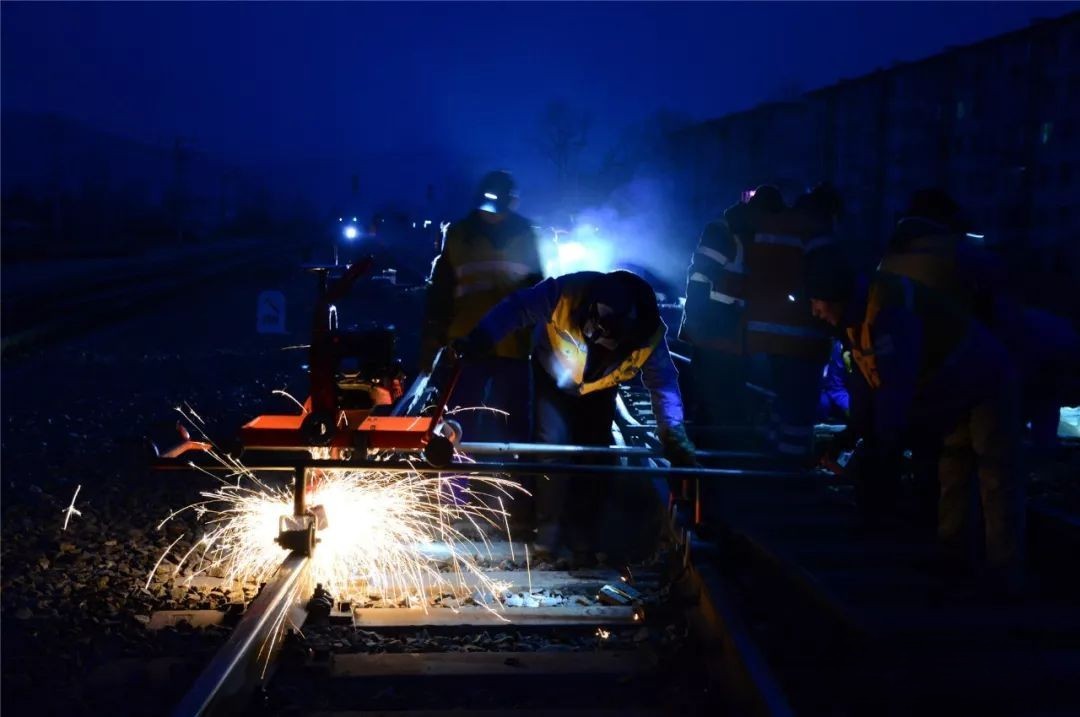
Different depths of indentations require a graded and precise grinding strategy:
● Depth ≥ 1.5mm: The damage is severe and should be addressed by milling or direct rail replacement to eliminate the safety hazard entirely.
● Depth 0.5mm ~ 1.5mm: Indentations in this range should be completely removed through grinding or milling.
● Depth < 0.5mm: For minor indentations, post-grinding residual depth must be controlled to within 0.3mm.
Grinding Operation Standards:
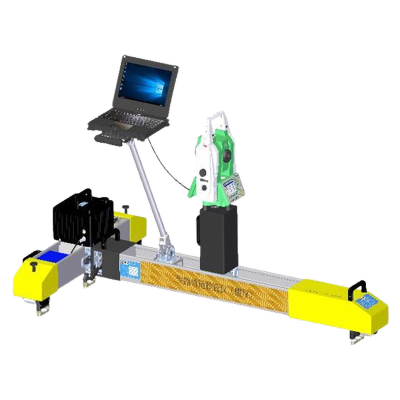
● Equipment Selection: Mainline rails can be treated with large grinding trains or small grinding machines; turnout areas require specialized turnout grinders or small tools.
● Grinding Scope: To ensure a smooth transition, the grinding length on one side should be no less than 5000 times the indentation depth. For example, a 0.5mm deep indentation requires a minimum grinding length of 2.5 meters on one side.
● Quality Control: An eddy current flaw detector can be used during grinding to monitor the residual depth of the indentation in real-time. After grinding, the crown fullness and straightness of the rail must strictly comply with the technical requirements of the standard "Rails for High-Speed Railway" (TB/T 3276).
V. Prevention and Outlook
Beyond remediation, strengthening track patrols and promptly clearing foreign objects are fundamental measures to reduce the occurrence of indentations at the source. Furthermore, with advances in inspection technology, high-precision track geometry cars and intelligent image recognition systems can detect these small but dangerous defects earlier and more accurately.
Conclusion
Although small, rail indentations pose significant potential risks. By establishing a closed-loop management process of "precise detection - scientific evaluation - graded treatment" and strictly adhering to grinding technical standards, we can effectively curb rolling contact fatigue initiated by indentations, building a solid track foundation for the safe, efficient, and smooth operation of high-speed railways.
Get Expert Support Today!
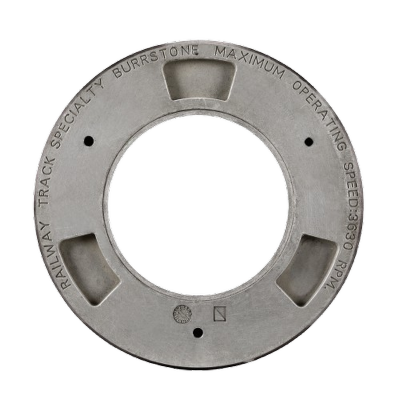
When facing complex rail defects, you need a reliable partner. RailwayCare is committed to providing the world's railway operators with the most advanced rail maintenance solutions.
● Visit our website at www.railwaycare.com to learn more about our high-performance grinding wheels, specialized equipment, and technical services.
● Email us at simon.wang@railwaycare.com. Our team of technical experts is ready to offer you a complimentary consultation to help you develop the optimal strategy for managing and preventing rail indentations.
📱 WhatsApp: +86 15072332788
Don't let minor damage compromise your operational safety. Contact us today to safeguard the health and integrity of your track!