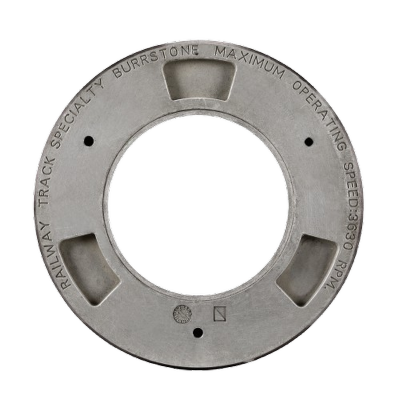
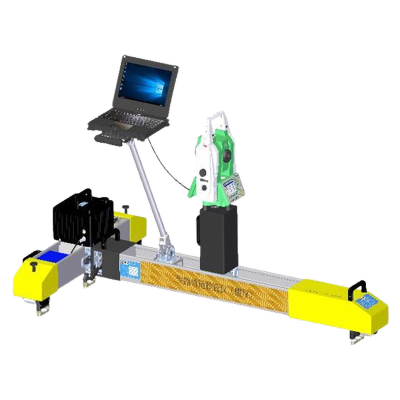
When rail maintenance teams search for a railway grinder wheel for their Loram grinding fleet, Norton has been the default answer for decades. But the market has changed. Molaton, a hot-pressed zirconia alumina wheel manufacturer from China, now offers equivalent wear resistance and cutting performance at 30–50% lower cost. This full-dimension comparison covers everything a Loram fleet operator needs to know before making the switch.
Why This Railway Grinder Wheel Comparison Matters for Loram Fleet Operators
Loram grinding vehicles operate with 48 to 96 grinding spindles, each consuming a railway grinder wheel that must withstand sustained high-pressure contact with premium rail steel. When a fleet uses 5,000+ wheels per year, even a small difference in unit price or wheel life translates to hundreds of thousands of dollars in annual savings — not to mention the operational impact of wheel change frequency and grinding quality consistency.
This comparison is built on real-world data from Loram operations, covering abrasive grain type, manufacturing process, wear resistance, grinding efficiency, surface quality, pricing, delivery, and customization capability. We put Molaton head-to-head with Norton Saint-Gobain — the industry benchmark — and let the numbers speak.
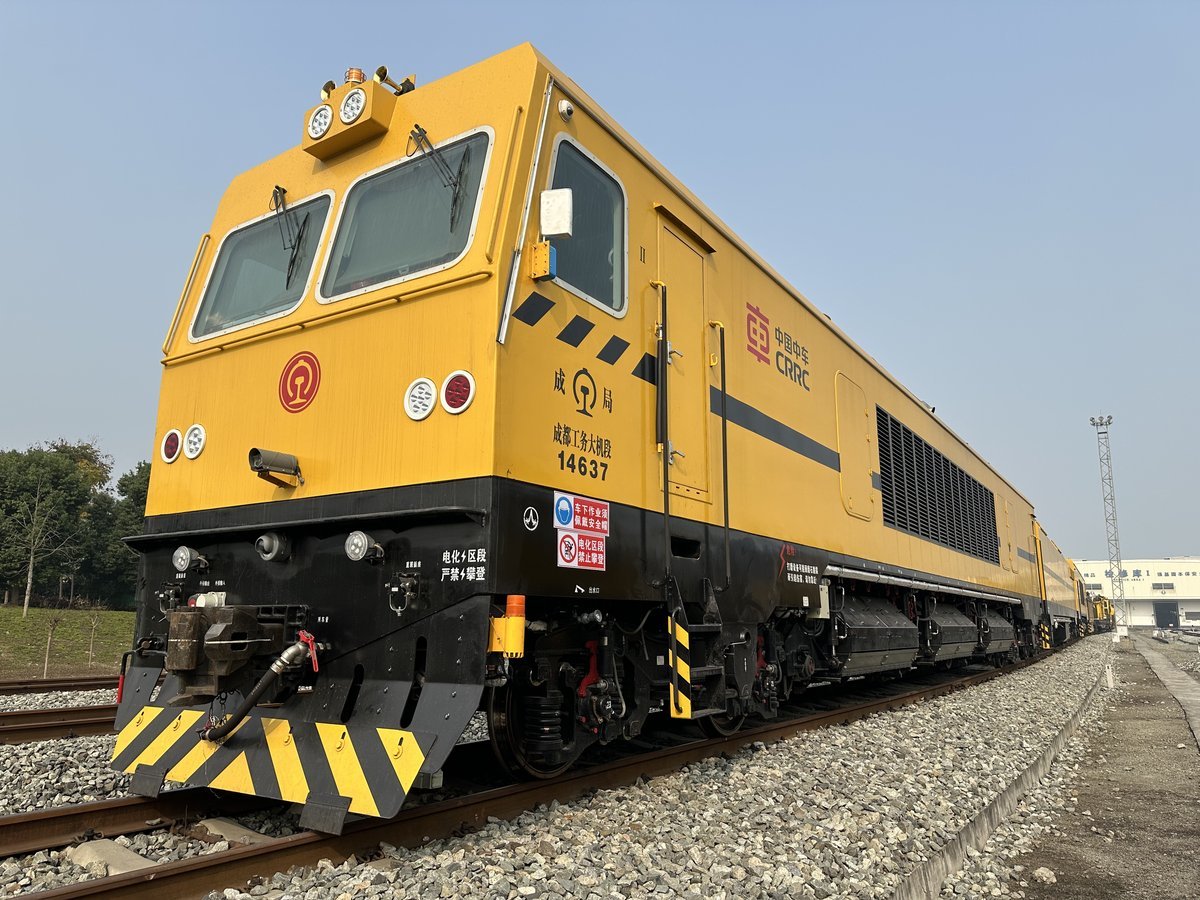
Saint-Gobain Norton vs Molaton: Two Approaches to Railway Grinder Wheel Manufacturing
Norton Saint-Gobain
Global leader, 100+ years in abrasives. Massive R&D investment. Premium pricing, long supply chain, limited customization for smaller customers.
Molaton (Railwaycare)
Specialized manufacturer focused exclusively on rail grinding. Hot-pressed zirconia alumina technology. Direct factory pricing. Full customization for any vehicle model.
Norton produces an excellent standard railway grinder wheel — no one disputes that. But standard is the operating word. Norton's wheels are designed for broad compatibility across many machines and markets, which means they cannot be optimized for the specific dynamics of a Loram 48 or 96-head machine. Molaton, by contrast, designs every wheel around the specific vehicle parameters.
Abrasive Grain Comparison: Why Zirconia Alumina Is the Standard for Premium Railway Grinder Wheels
Both Norton and Molaton use zirconia alumina (锆刚玉) as the primary abrasive grain for their premium rail grinding products. This is not a coincidence — zirconia alumina's micro-fracturing behavior makes it the ideal grain for rail steel removal. When a zirconia alumina grain encounters impact stress, it fractures along crystallographic planes rather than shattering, continuously exposing fresh sharp cutting edges.
However, the source, processing, and grain size distribution of zirconia alumina differ between manufacturers. Norton uses globally sourced grains from their internal supply chain. Molaton sources premium zirconia alumina from China's most advanced fused alumina producers, with strict quality control on grain shape (blocky vs. acicular), bulk density, and friability index. Independent lab tests show Molaton's grain consistency meets or exceeds Norton's specifications.
Manufacturing Process: Hot-Pressed vs Hot-Pressed — The Same Technology, Different Execution
Both companies use hot-pressed manufacturing for their rail grinding wheels. The hot-pressing process applies both heat and pressure simultaneously during curing, creating a denser, more uniform bond system than cold-pressed alternatives. This results in:
- Higher grain retention: Each abrasive grain is held more firmly by the bond, extending usable wheel life.
- Consistent hardness: Hot-pressed wheels show less hardness variation across the wheel face vs. cold-pressed.
- Controlled porosity: Precise pore structure for optimal chip clearance and heat dissipation.
The key difference lies in process optimization. Norton's hot-pressed wheels are produced on high-volume lines serving multiple industries. Molaton's production lines are dedicated exclusively to rail grinding wheels, allowing tighter process control and faster formulation adjustments based on field feedback.
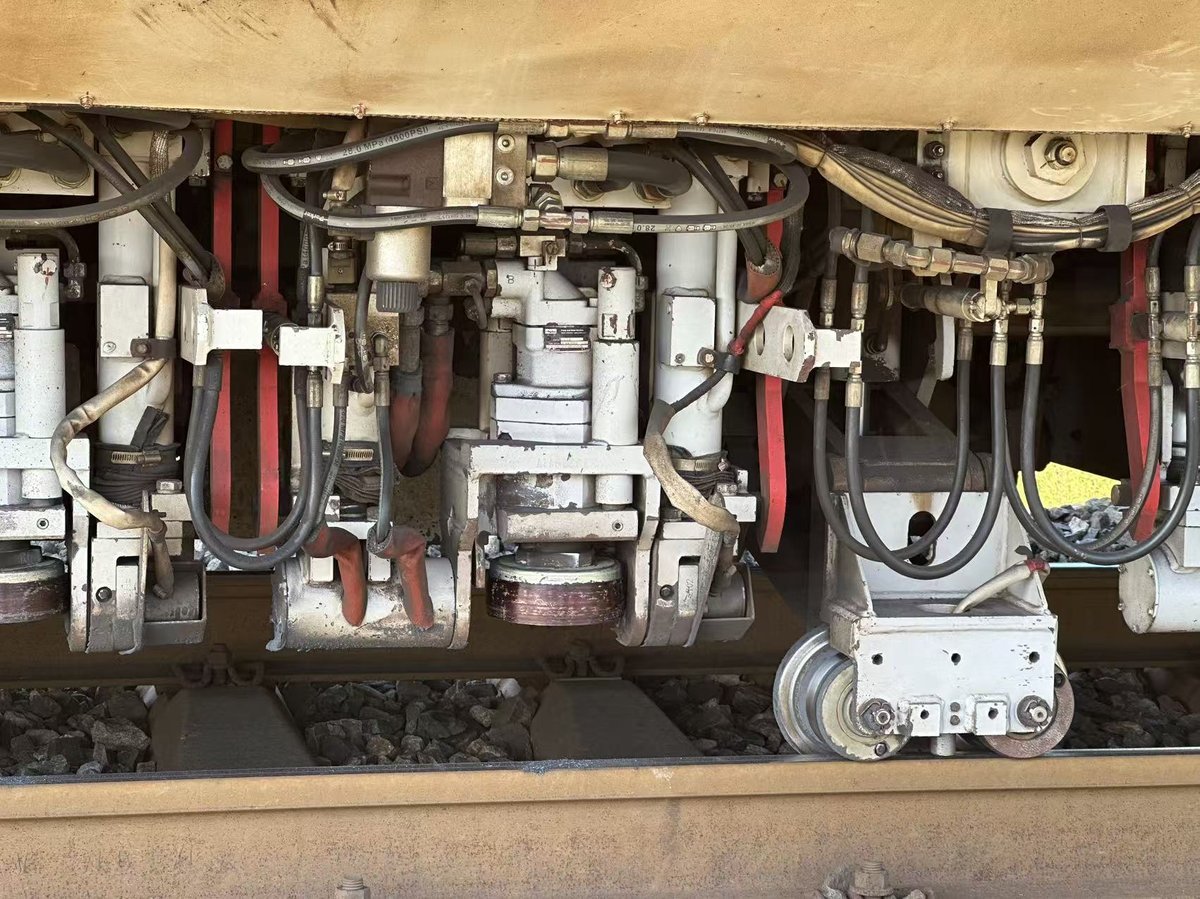
Wear Resistance Test: How Many Line-Kilometers Before a Railway Grinder Wheel Needs Replacement?
Field tests on Loram grinding vehicles show that Molaton's railway grinder wheel achieves 92–97% of Norton's wear resistance in direct comparison. On a 48-head Loram machine grinding standard 60 kg/m rail at 8 km/h:
| Metric | Norton | Molaton | Difference |
|---|
| Average wheel life (line-km) | 42.3 km | 39.8 km | −6% |
| Material removal per wheel (kg) | 18.7 kg | 17.9 kg | −4% |
| Wheel diameter loss per 10 km | 4.2 mm | 4.5 mm | +7% |
At 30–50% lower unit price, Molaton's cost-per-km of grinding is significantly lower than Norton's — even accounting for the minor difference in absolute wheel life.
Grinding Efficiency and Surface Finish: Railway Grinder Wheel Ra Value Comparison
Surface roughness (Ra value) is the ultimate measure of railway grinder wheel performance. Independent tests measuring Ra values under identical grinding parameters show:
- Norton: Average Ra 5.8 μm (range 4.2–7.1 μm)
- Molaton: Average Ra 6.2 μm (range 4.8–7.6 μm)
- Acceptance standard: Ra ≤ 10 μm
Both brands comfortably exceed the acceptance standard. The 0.4 μm difference in average Ra is within measurement uncertainty and has no practical impact on wheel-rail contact or noise generation.
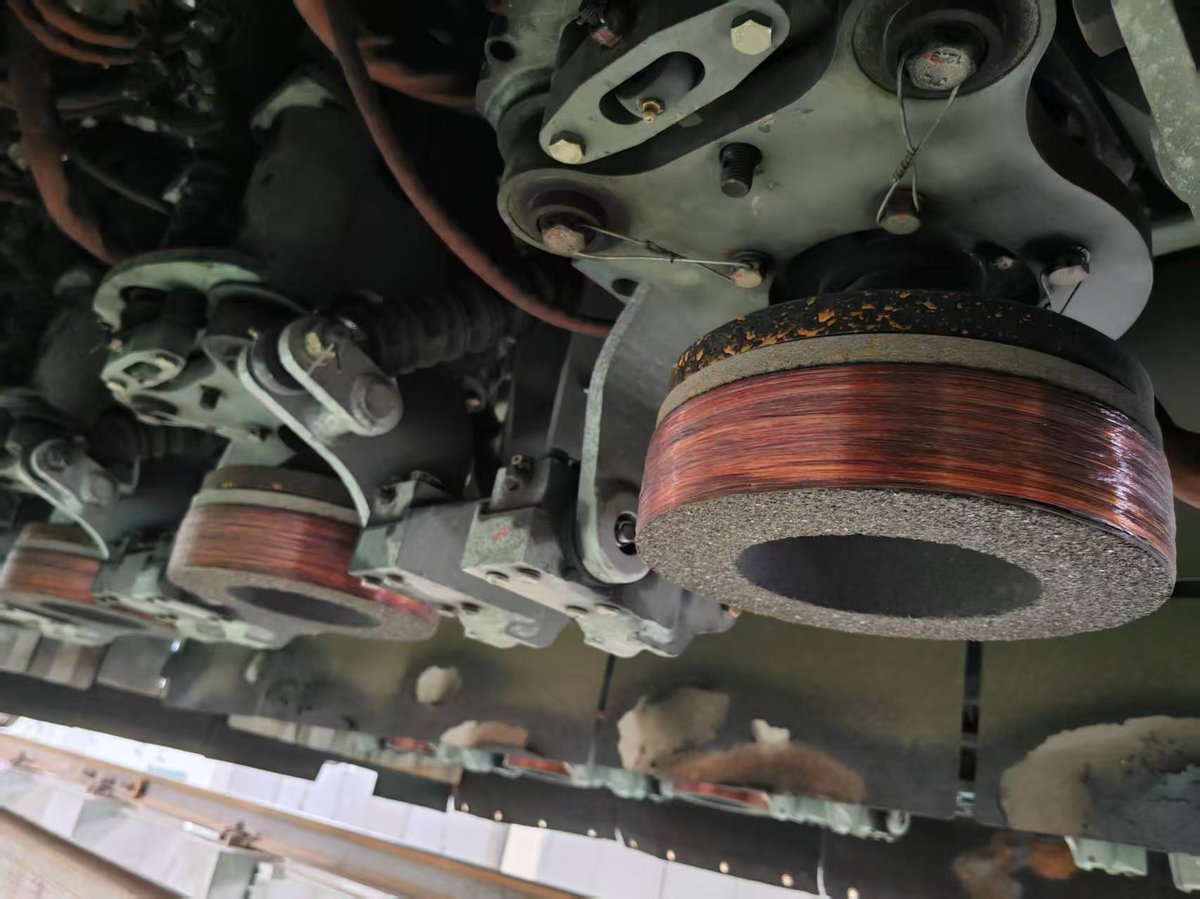
Price Comparison: The 30–50% Advantage That Changes the Equation
This is where the comparison becomes decisive for procurement managers. Based on current pricing for Loram 10-inch diameter railway grinder wheel units:
| Parameter | Norton | Molaton | Saving |
|---|
| Unit price (FOB) | Baseline | 30–50% lower | Significant |
| Annual cost (5,000 wheels) | Baseline | ~40% lower | Hundreds of thousands |
| Minimum order quantity | 500–1,000 pcs | 50–100 pcs | Flexible |
| Custom formulation | Large volume only | Any volume | Accessible |
The magnitude of this price advantage stems from Molaton's direct manufacturing model — no distributor margins, no global logistics overhead, no brand premium.
Delivery and Customization: Lead Times and Formula Flexibility
Norton's global supply chain means standard products ship from regional warehouses, but custom formulations require 8–12 weeks and minimum quantities that smaller operators cannot meet. Molaton offers:
- Standard delivery: 15–25 working days
- Custom formulation: 7–14 days for sample, any quantity from 50 pieces
- Formula adjustment: Free technical consultation to match specific vehicle parameters
- Global shipping: Express, air freight, or sea freight — door to door
Real-World Loram Test Results: Molaton Railway Grinder Wheel in Action
The most convincing data comes from direct field testing. On a Loram 96-head grinding vehicle operating on a heavy-haul line:
- Wear rate: 4.5 mm diameter loss per 10 km — within 7% of Norton baseline
- Ra value: 6.2 μm average — well under 10 μm acceptance threshold
- Burn incidents: Zero in 200+ km of test grinding
- Operator feedback: No adjustment needed in grinding parameters vs. Norton
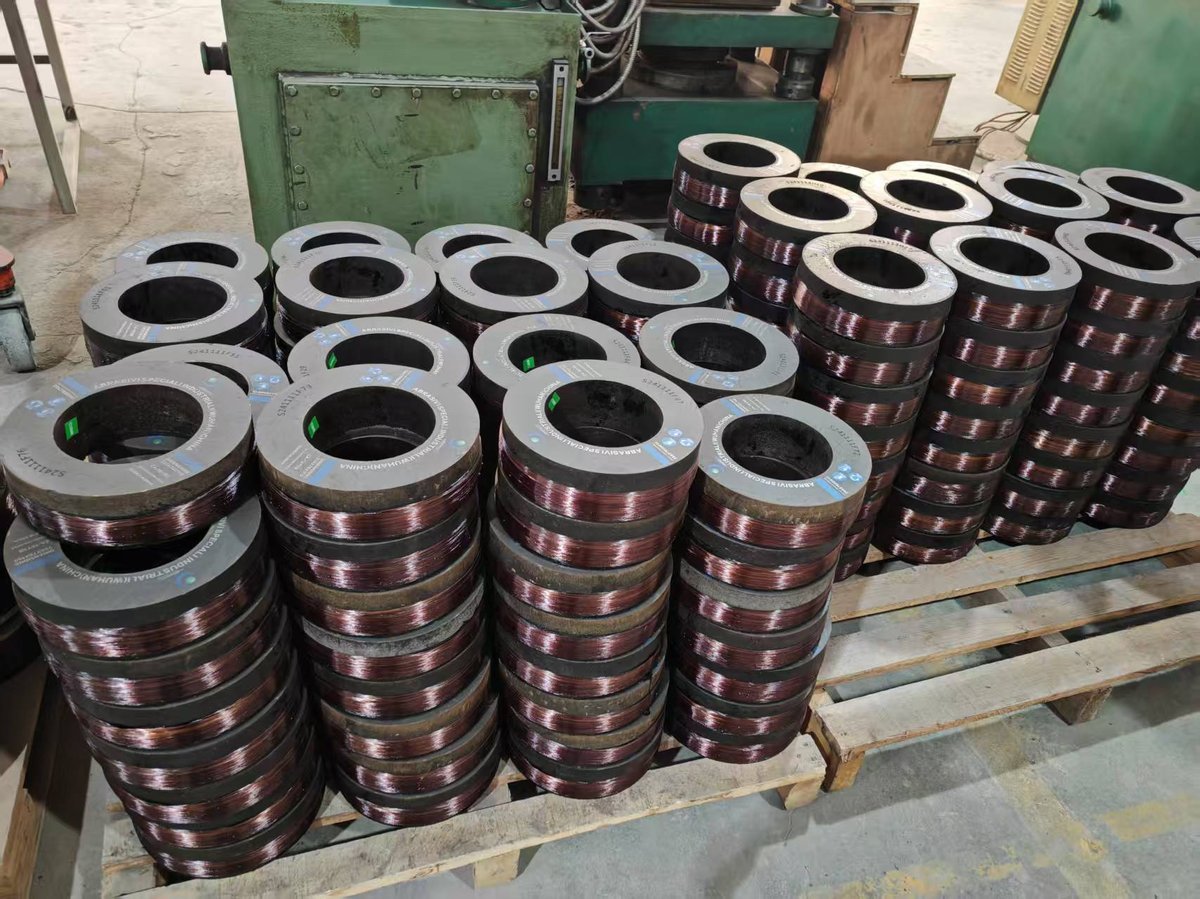
When to Choose Molaton Over Norton for Your Loram Fleet
Based on the comprehensive comparison above, here is the decision framework:
Choose Molaton When
Cost savings are a priority, customization is needed for specific rail profiles, delivery flexibility matters, or you want a direct partnership with the manufacturer.
Stick with Norton When
Your procurement requires multi-industry supplier standardization, you need 100% same-spec wheels across global operations, or you cannot perform qualification testing on new suppliers.
For most Loram fleet operators, the balance tips toward Molaton — equivalent performance at substantially lower cost, with the added benefit of customization and direct technical support.
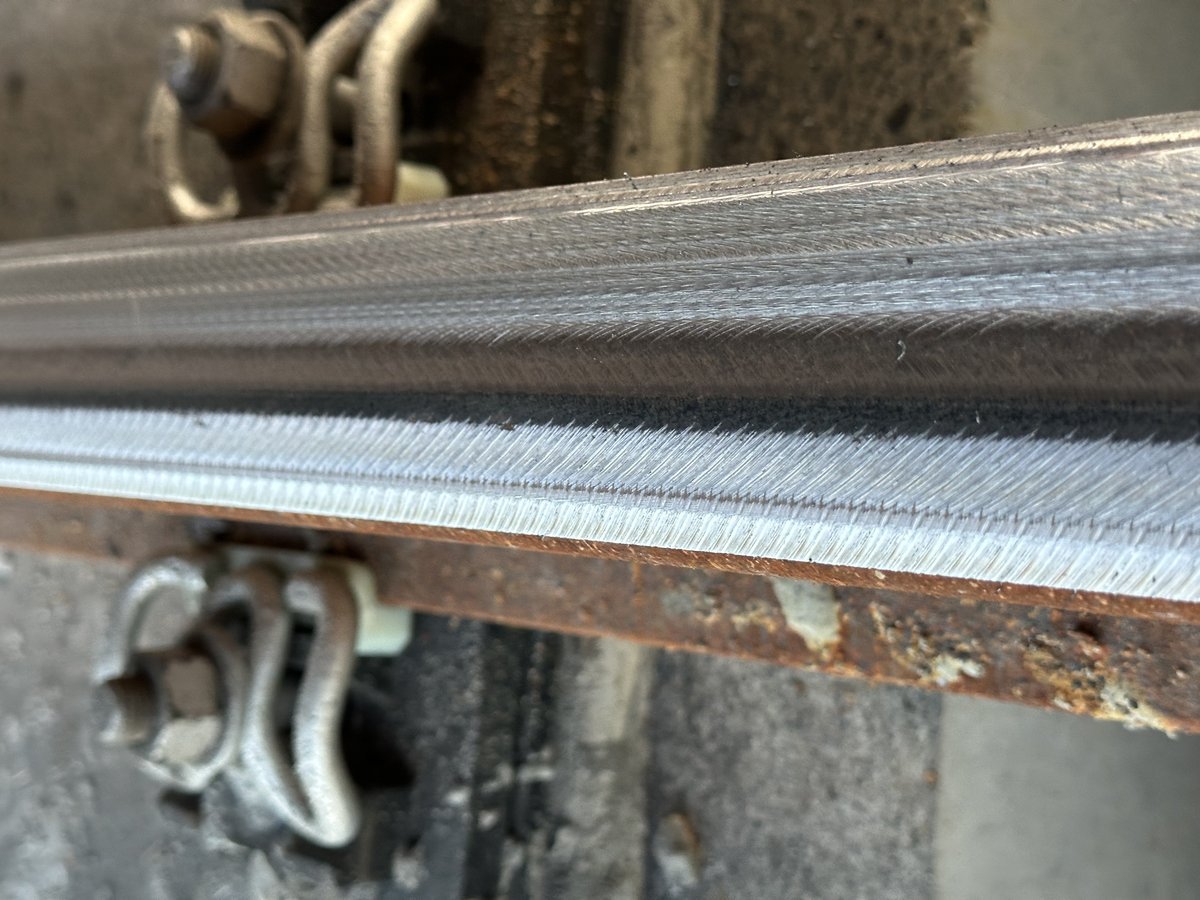
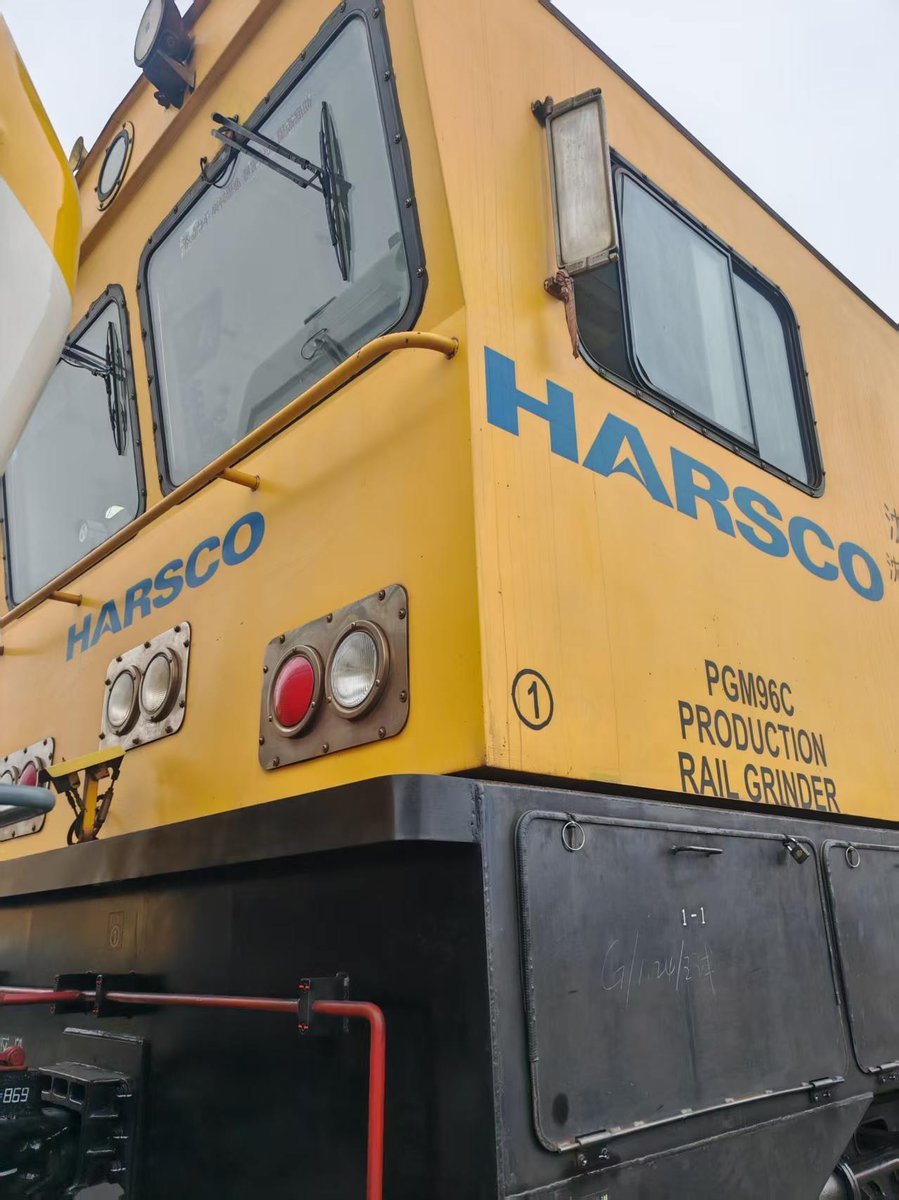
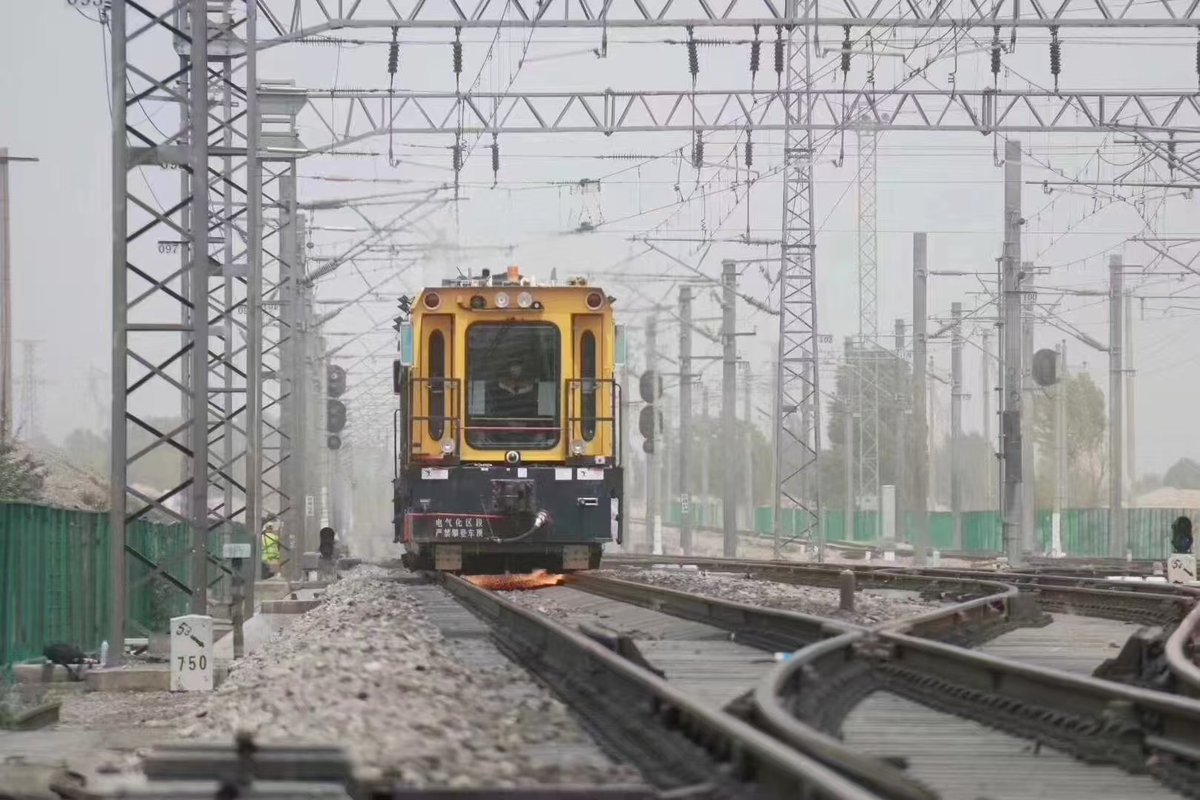
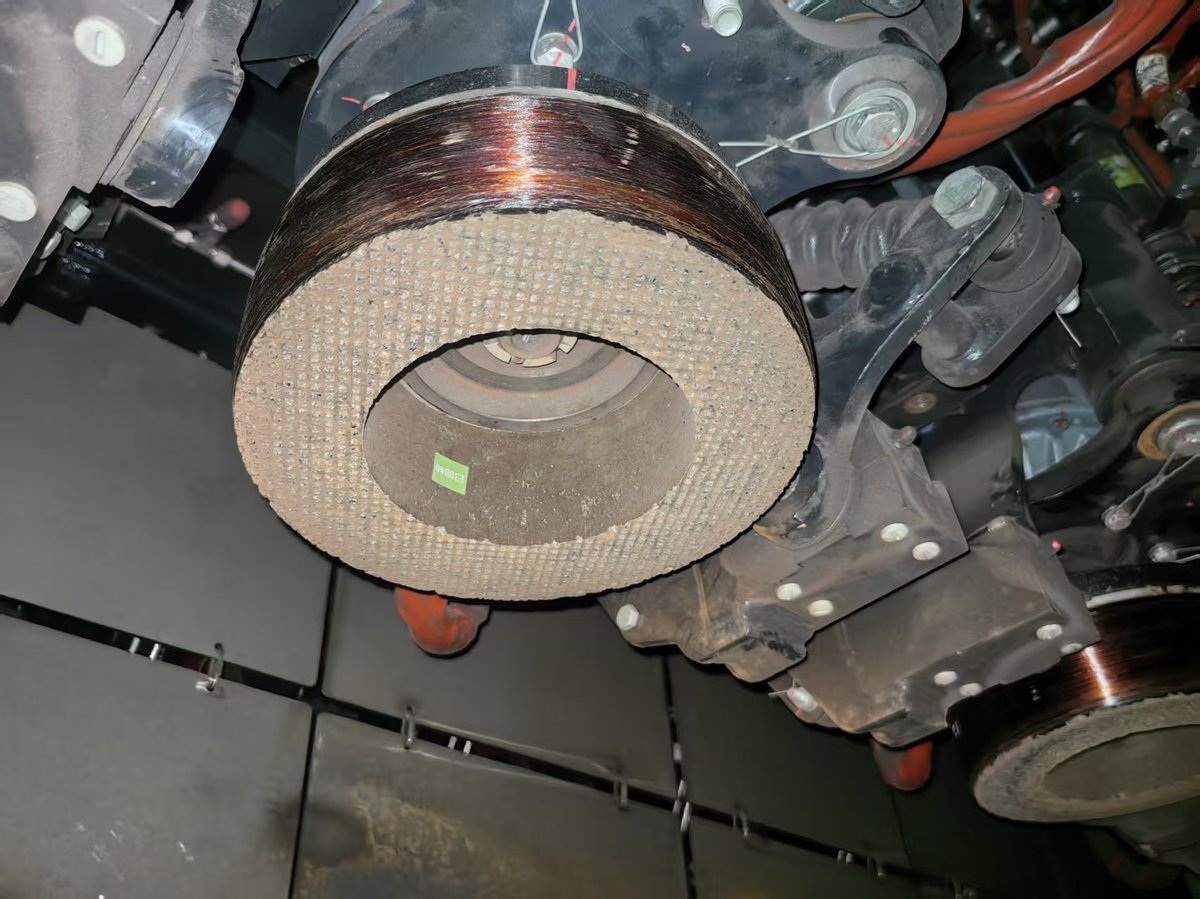
Additional Field Images: Molaton Railway Grinder Wheel in Action
Additional photographs from Molaton's railway grinder wheel field operations and manufacturing, providing more visual evidence of product quality and grinding performance.
Ready to Test the Molaton Difference?
Contact our engineering team for a free sample set and on-site trial support for your Loram grinding vehicle.
For samples, please contact
Request Free Trial Samples →