Keeping the World on Track: A Guide to Rail Grinding and High-Performance Solutions
The Silent Battle Beneath Every Train
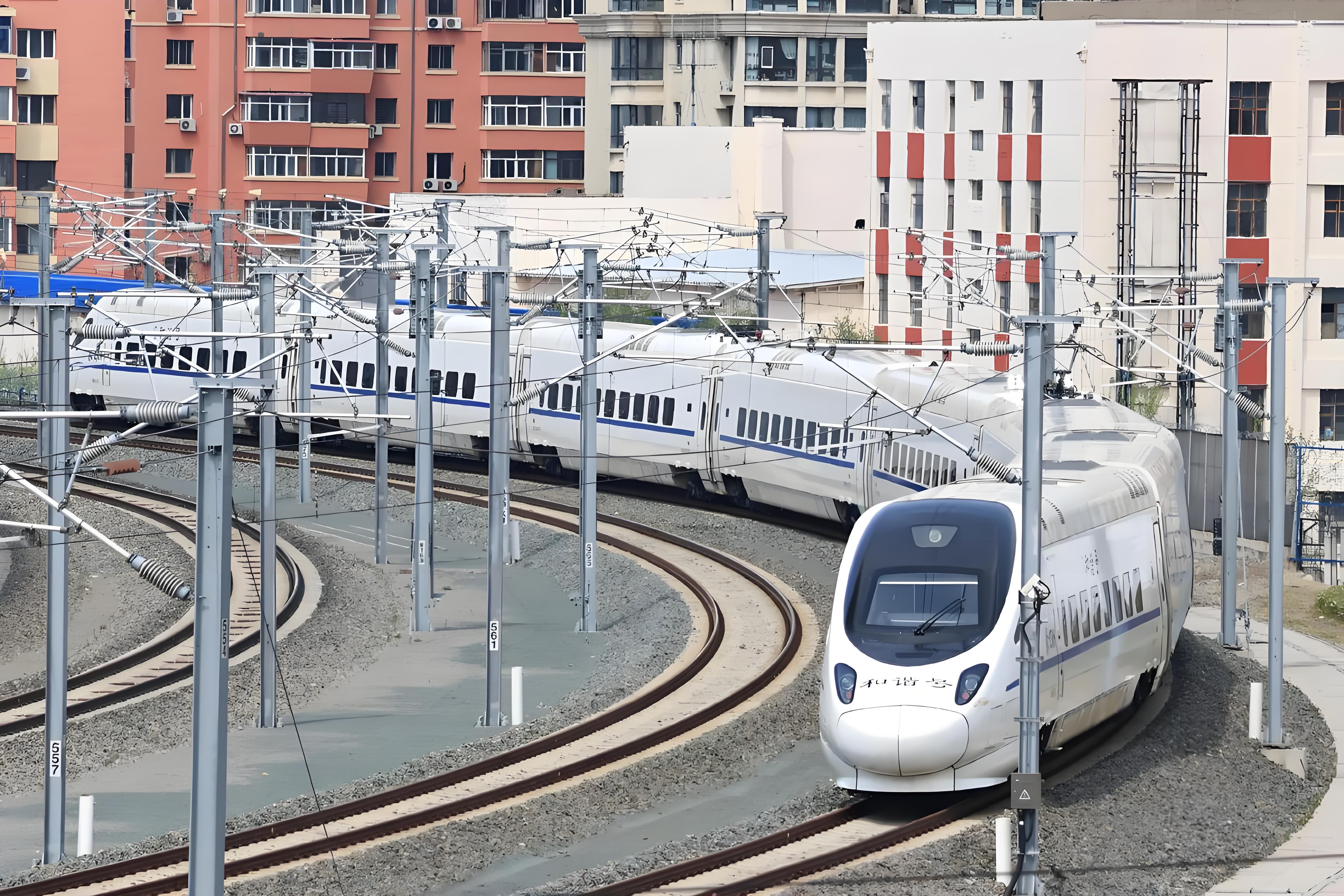
Every day, thousands of trains thunder across millions of miles of track, carrying passengers and freight with remarkable regularity. But beneath this seamless operation lies a constant, silent battle: the fight to keep steel rails in perfect condition. Rails endure immense dynamic forces, pressure, and environmental stress, inevitably developing defects like corrugation, cracks, and wear over time. Without intervention, these imperfections compromise safety, increase maintenance costs, and shorten the lifespan of the rail itself.
The answer? Rail grinding – the single most effective method for restoring rail integrity and ensuring safe, efficient railway operations.
What is Rail Grinding?
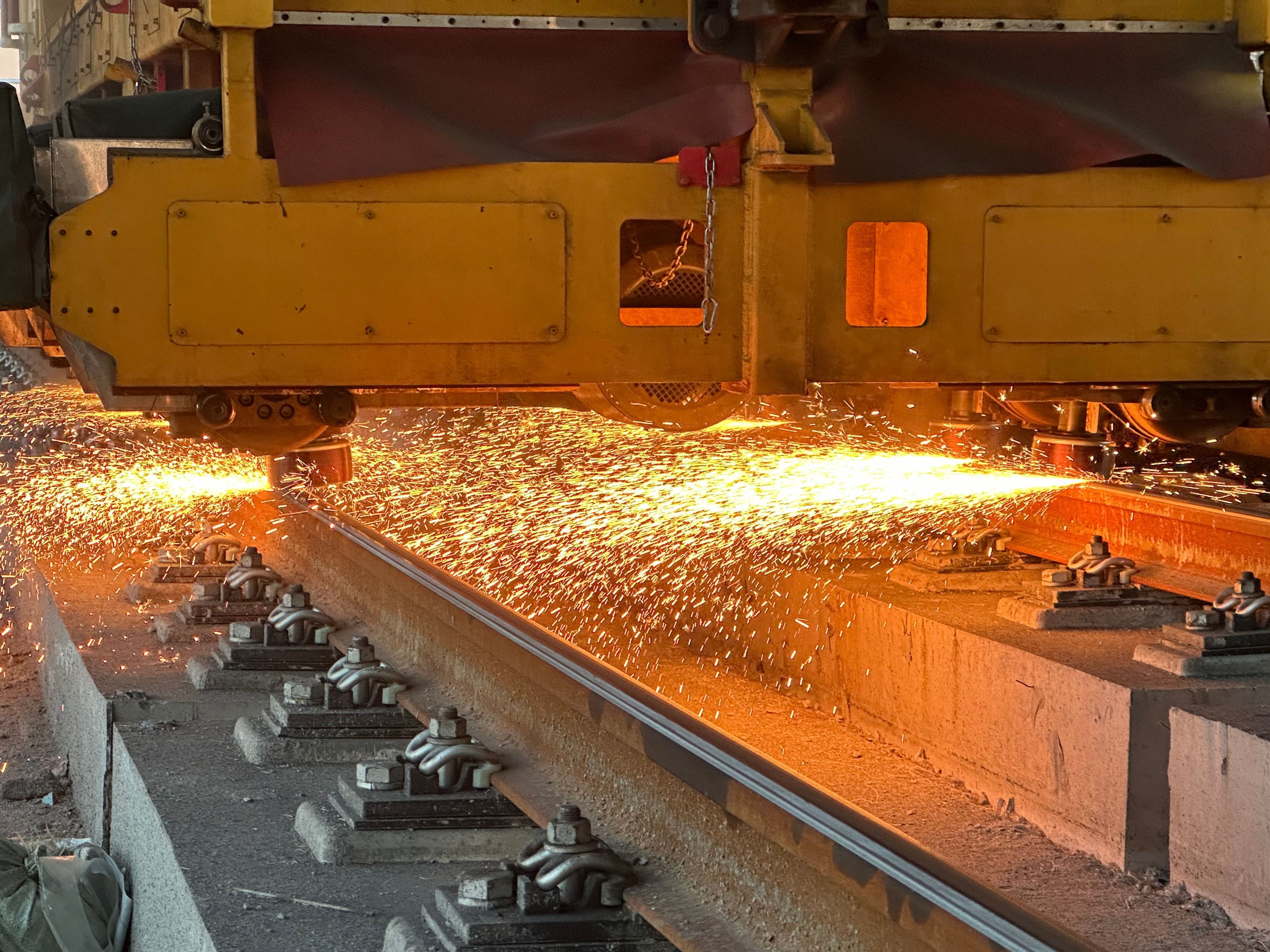
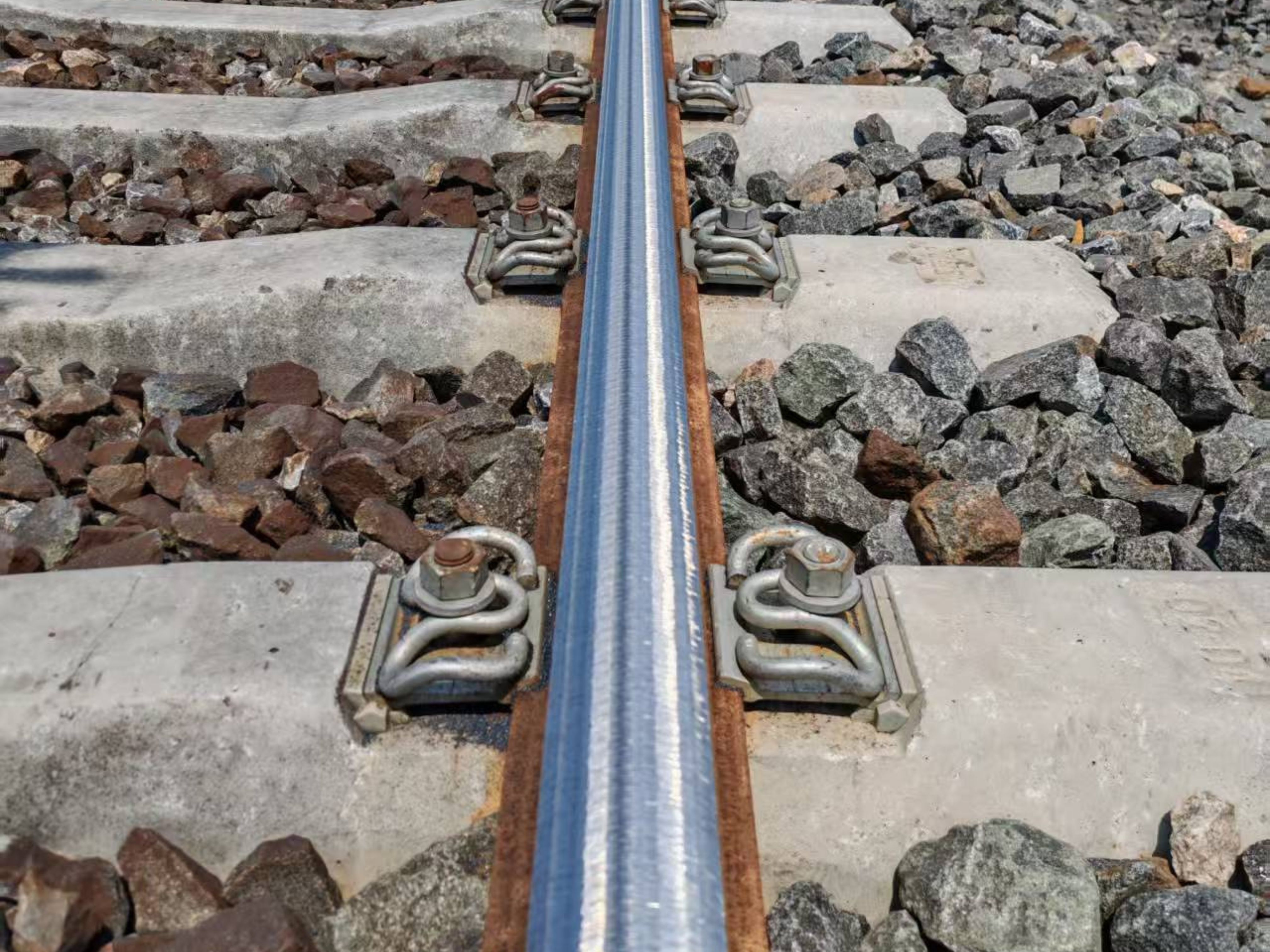
Rail grinding is a specialized maintenance process that uses abrasive wheels to remove a thin layer of material from the rail surface. Think of it as precision "sculpting" for steel. By mechanically eliminating surface irregularities, defects, and fatigue cracks, grinding restores the rail head to its optimal profile.
This is not a blunt-force operation. Modern rail grinding is a meticulous craft, often compared to "embroidery," with precision tolerances measured in fractions of a millimeter – typically between 0.01mm and 0.4mm. It's a process that requires the right equipment, the right strategy, and above all, the right grinding tools.
Why Grind Rails? The Three Pillars of Rail Maintenance
The purpose of rail grinding is not one-size-fits-all. Depending on the rail's condition and maintenance strategy, grinding falls into three main categories
Initial Grinding (After Installation)
When: Performed on new rails after installation.
Purpose: To remove the decarburized layer and surface irregularities created during manufacturing and installation. This gives the new rail its correct, smooth profile from day one, setting the stage for a long service life
Preventive Grinding
When: Proactive, scheduled maintenance before significant defects appear.
Purpose: This is the gold standard of modern rail maintenance. By removing a very thin layer of metal (often just 0.1–0.2mm) on a regular schedule, preventive grinding stops rolling contact fatigue (RCF) cracks and corrugation from ever developing. It's the most cost-effective strategy. Studies show it can reduce total grinding and rail replacement costs by up to 40%, while extending rail life by 5 to 8 years
Corrective (Repair) Grinding
When: Reactive maintenance when significant defects like severe corrugation, cracks, spalling, or heavy wear are already present.
Purpose: To remove these existing flaws and restore the rail profile to its required shape. Corrective grinding removes a larger amount of material than preventive grinding to repair the damage
The Heart of the Process: The Grinding Wheel

A superior rail grinding wheel must offer:
High Material Removal Efficiency: To complete jobs quickly and minimize track occupancy.
Long Lifetime: To reduce downtime for wheel changes and lower overall consumable costs.
Consistent Performance: To deliver a predictable and high-quality surface finish across the entire grind.
Safety: To operate without fracturing or causing thermal damage (burning) to the rail surface
How Rail Grinding Is Carried Out
Grinding is not one machine but a family of them, and which one is used is decided by the track, the possession window and the volume of work in front of it.
Grinding trains carry 24 to 96 grinding motors and work the plain line at 3–16 km/h, taking roughly 0.1–0.3 mm off the rail head in a single pass. They are the only economic answer when hundreds of kilometres have to be covered inside a short possession. The wheel formats each machine family runs are listed in our global directory of rail grinding machine manufacturers.
Turnout and switch grinders are smaller and slower, but they reach what a train cannot: crossing noses, switch rails, check rails and the confined geometry of a turnout. Wheel selection for that work is a discipline of its own, set out in our guide to rail welding and grinding.
Hand-held and semi-automatic machines finish what a train cannot justify: weld seams, isolated defects, flange build-up on switch points and short lengths of track.
Whichever machine is used, the contact between steel and steel is the grinding wheel – and the wheel decides how much metal comes off, how much heat goes into the rail, and how many passes the job takes. What that works out to per kilometre of track is broken down in our analysis of rail grinding cost per kilometre, and the full picture – definitions, process types, parameters and acceptance criteria – is in our complete guide to rail grinding.
Frequently Asked Questions About Rail Grinding
How much metal does rail grinding remove?
Preventive grinding takes a very thin layer – typically 0.1–0.2 mm – off the rail head on a regular schedule. Corrective grinding removes more, because it has to cut back to sound metal below the defect. The controlling number is not the depth of one cut but the total removed over the life of the rail, which the operator's grinding standard limits.
How often should rails be ground?
Frequency is set by tonnage and by how fast surface fatigue develops, not by the calendar. High-speed lines are usually ground on a fixed pass-km interval; heavy-haul lines carrying higher axle loads may need to be ground more often. The trigger to re-schedule is the first measurable sign of corrugation or rolling contact fatigue.
Does rail grinding weaken the rail?
Not within the limits the standards set. Grinding removes the fatigued surface layer and restores the profile; the risk appears when too much is taken in one pass, or when the same rail is ground too frequently. That is why acceptance criteria set both a maximum metal removal per pass and a profile tolerance the finished surface has to meet.
Can grinding remove corrugation completely?
The corrugation that is present can be removed and the profile restored, but the mechanism that produced it does not disappear with the metal. On curves and in tunnels the same wavelengths tend to return unless the grinding changes the contact conditions that drive them – which is why the target profile matters more than the depth of the first cut. The method and the way to verify the result are covered in our guide to rail corrugation grinding.
ContactUs
Industry Expertise: We are a dedicated manufacturer with a strong track record and have participated in the development of national industry standards for rail grinding wheels.
Engineered for Performance: Our wheels are designed to reduce the grinding-caused pre-fatigue on rail surfaces, offering better surface integrity and a safer finish.
Partner with us for precision, durability, and performance.
Email: simon.wang@railwaycare.com
WhatsApp: +86 15072332788
LinkedIn