How to Effectively Remove Flange Build-Up on Switch Rails: A Practical, Step-by-Step Guide for Modern Rail Maintenance Teams
How to Effectively Remove Flange Build-Up on Switch Rails: A Step-by-Step Guide for Modern Rail Maintenance Teams
Flange build-up—also known as “fat edge”—on the working edge of switch rails is one of the most common yet critical defects in railway turnouts. Caused by repeated wheel-rail contact under high lateral forces, this metal accumulation doesn’t just degrade ride quality; it can lead to rail spalling, accelerated side wear, and even derailment risks if left unchecked.
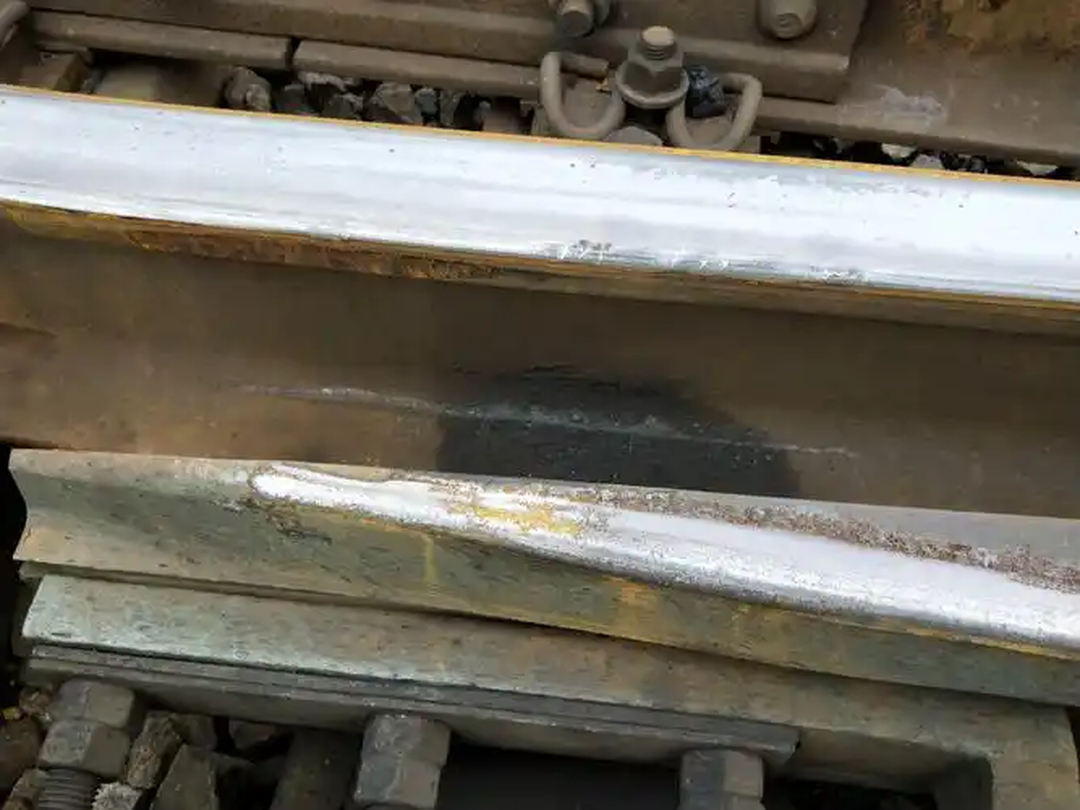
Rail Fat Edge
Modern maintenance philosophy treats this not as a cosmetic issue, but as a precision engineering challenge that demands measurement-driven intervention.
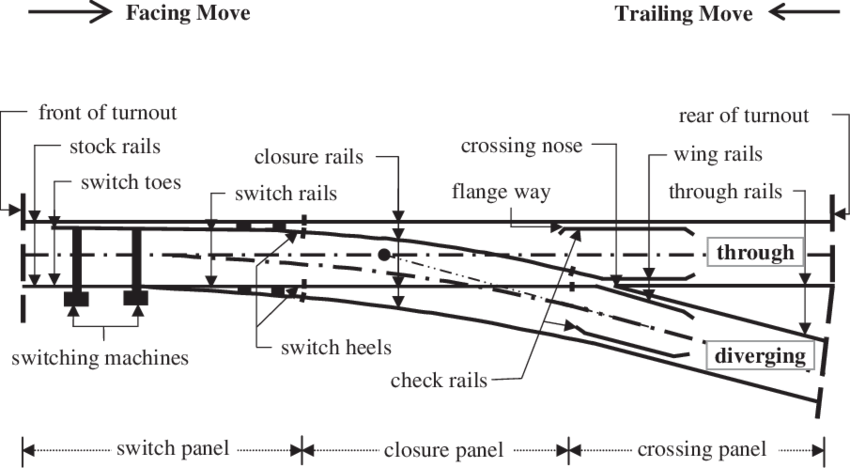
Schematic Diagram of a Single Slip Turnout
Start with Accurate Diagnosis
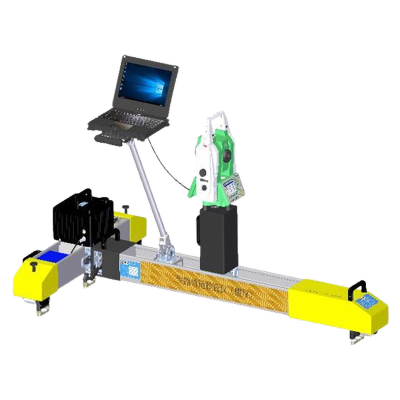
Before any grinding begins, conduct a thorough assessment: visually inspect the extent of the build-up, feel for irregularities by hand, and—most importantly—measure the lowering value along the first 1.5 meters of the switch point using calibrated gauges. Industry standards (such as those from China’s Macheng Track Division) require this value to stay within ±1 mm of design. Exceed that, and corrective action is mandatory.
Set Up for Precision
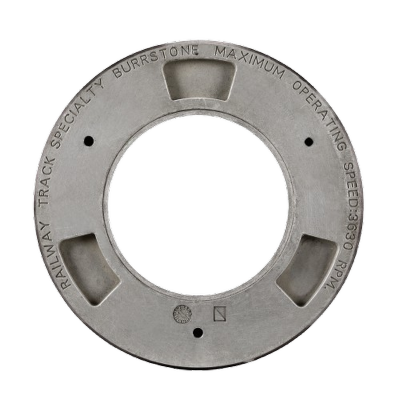
Use a dedicated turnout grinder equipped with a high-quality resin-bonded grinding wheel—like those from RailwayCare—known for consistent wear and minimal thermal impact. Position the wheel so its cutting surface sits slightly above the machined platform of the switch rail. Align the initial grinding angle parallel to the planed face to ensure full contact without gouging adjacent surfaces.
Grind in Stages, Not in One Pass
Work from the base of the rail upward. Instead of aggressive material removal, adopt a progressive approach: after each pass, increase the grinding angle by 2 degrees. This layered method removes build-up evenly while preserving the rail’s original profile and avoiding localized overheating or new surface defects.
Don’t Forget the Non-Working Edge
When the turnout is switched to the open position, the opposite (non-working) edge of the switch rail may also show signs of build-up. Address it separately using the same controlled technique to maintain geometric symmetry and balanced load distribution.
Finish Strong: Inspect and Clean
Post-grinding, re-measure the lowering value, verify a smooth and continuous contact band (“light band”), and—critically—remove all metal swarf with a stiff brush or vacuum system. Leftover particles can embed into the rail surface and accelerate future damage.
As railways push toward higher speeds and heavier axle loads, preventive, precision grinding is replacing reactive repairs. At RailwayCare, we’re committed to supporting this shift with abrasives engineered for accuracy, durability, and reliability—because safe rail operations start with a perfectly shaped switch rail.
Flange build-up on switch rails may seem minor—but getting it right is critical for safe turnout operation. And precision grinding starts with the right abrasive.
Whether you maintain heavy-haul networks, high-speed rail turnouts, or urban metro switches, RailwayCare offers high-precision resin-bonded grinding wheels engineered specifically for switch and stock rails, backed by expert guidance on wheel angles, machine settings, and field application support.
📧 Contact RailwayCare today:
Share your rail profile (e.g., 60kg/m), annual tonnage, grinder model, or specific challenge (e.g., “recurring flange build-up” or “difficulty maintaining lowering values”), and we’ll deliver a preliminary assessment and tailored wheel recommendation within 24 hours.
📧 Email: RCInfo@railwaycare.com
🌐 Website: http://www.railwaycare.com
Safe tracks start with precision grinding.
—— RailwayCare: Professional Care for Global Rails